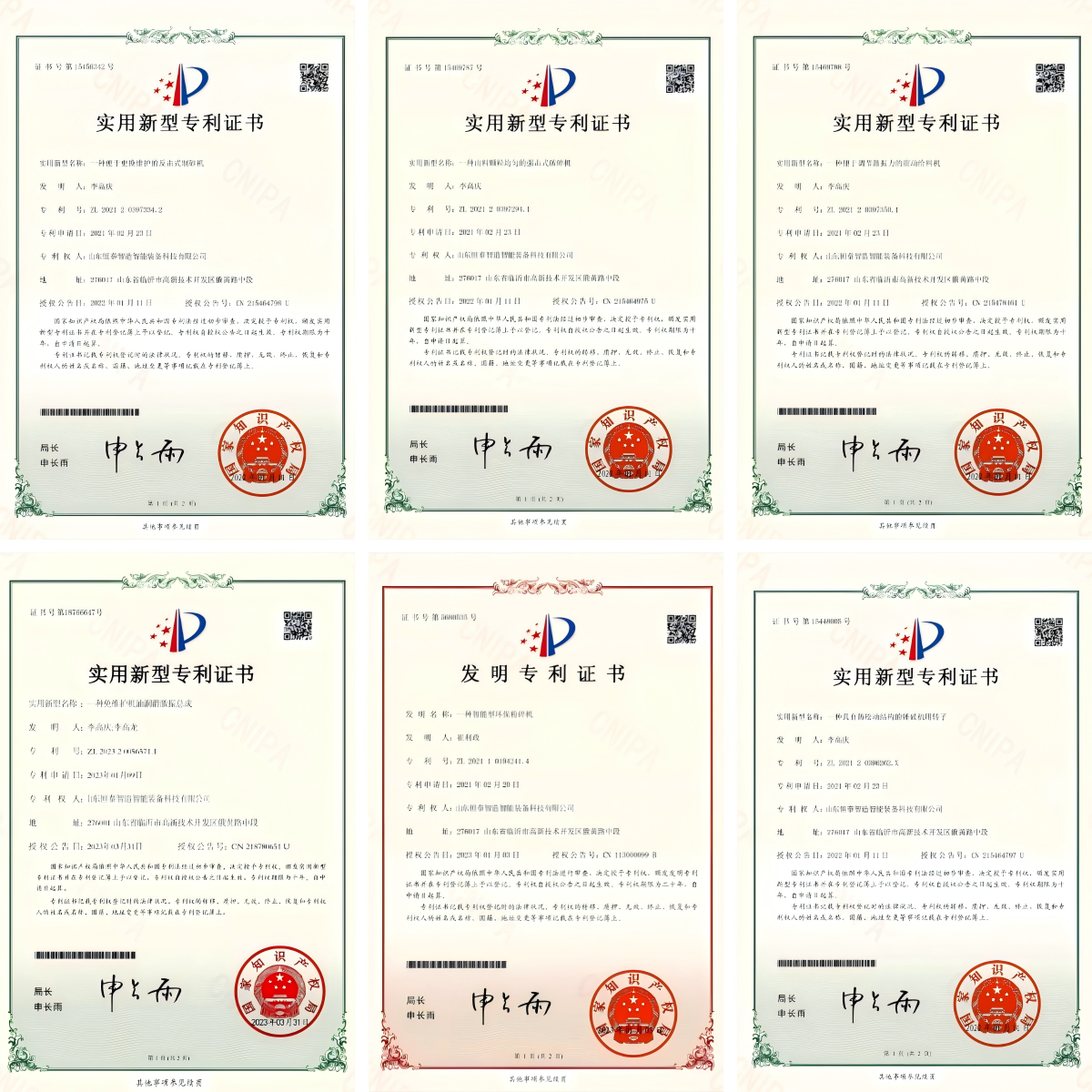
Driving Innovation in Aggregate Production: Green Technologies and Industry Standards
As the demand for aggregate materials in the construction industry continues to grow, the application of green production and intelligent technologies has become a key driver of industry development. This report explores the latest technological standards, green environmental technologies, and future trends in the aggregate production industry.
Current Status and Development Trends of the Aggregate Industry
Global Demand Growth:
With the acceleration of global infrastructure construction, the demand for aggregates continues to rise, especially in emerging markets like China, India, and Brazil, where aggregate demand remains robust.
Environmental Regulatory Pressure:
As environmental regulations become more stringent, the aggregate industry is undergoing a green transformation. Environmental protection and energy efficiency have become key considerations in production processes. According to the ISO 14001 standard, companies must ensure their production processes meet environmental requirements.
Industry Standards and Regulations
International Standards
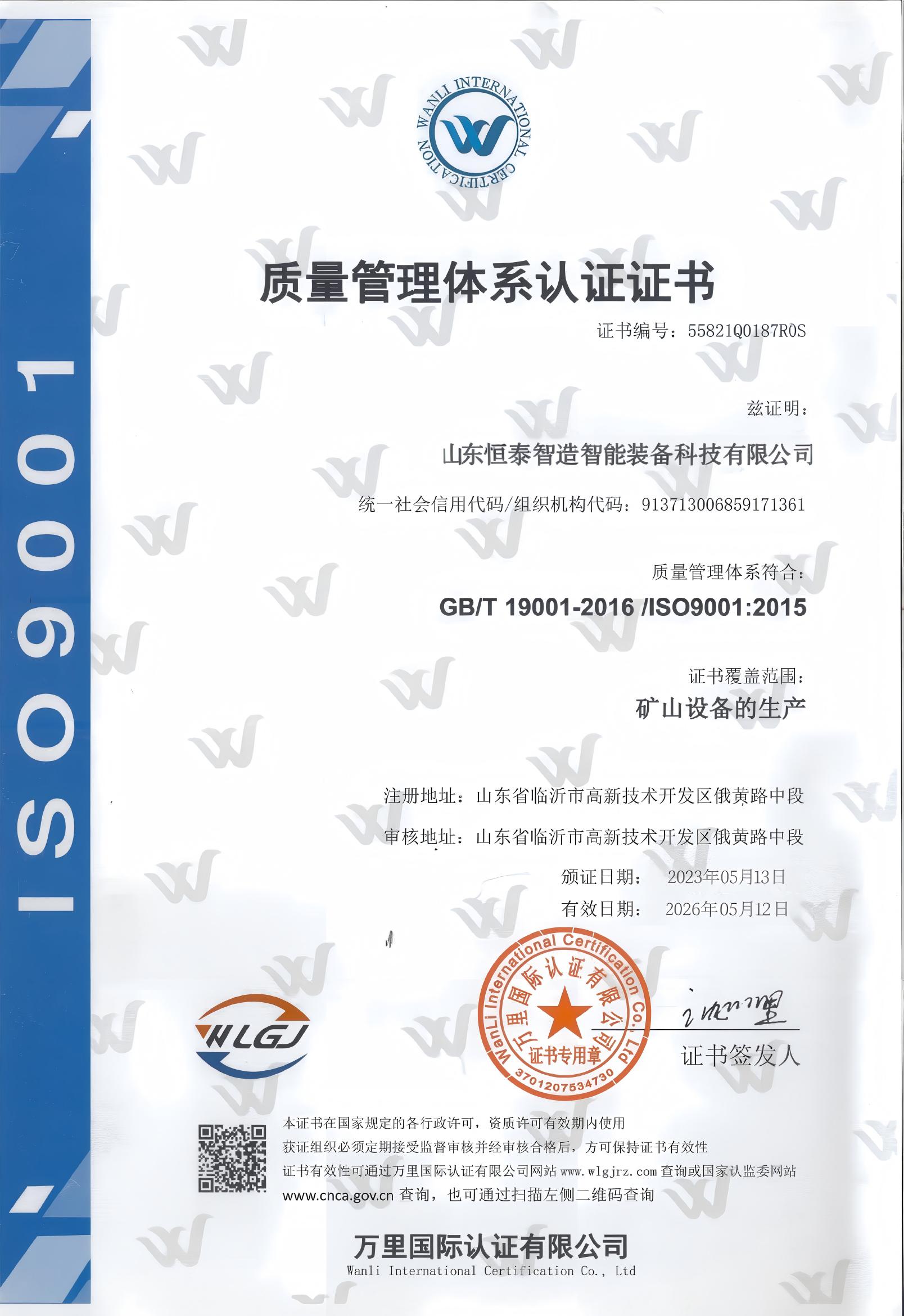
ISO 9001 (Quality Management System)
ISO 9001 helps companies ensure product quality throughout the production process, ensuring consistency and reliability of aggregate products. Compliance with this standard ensures that every stage of production is optimized for quality.ISO 14001 (Environmental Management System)
ISO 14001 ensures that companies comply with environmental requirements during production, reducing their environmental impact. This standard has become the foundational guideline for global construction and aggregate production companies, helping businesses minimize waste, emissions, and resource consumption.ISO 21014
This standard specifically addresses the aggregate industry, stipulating classifications, physical testing methods, and application requirements to ensure that products meet construction industry standards.
National Standards (China)
GB/T 14684-2011
This key standard for the Chinese aggregate industry covers the quality requirements for natural sand, artificial sand, and crushed stone. It specifies the particle size distribution, mechanical properties, and other important criteria, ensuring the material’s suitability for construction applications.GB/T 19001-2016
This is a quality management system standard in China that mandates aggregate producers to adhere to quality control procedures throughout their production process, ensuring that the final products meet industry and customer standards.GB/T 17431.1-2019
Specifically focused on concrete aggregates, this standard defines performance criteria to ensure that the aggregates used in concrete are of the right quality for structural integrity and durability.
Future Technological Developments and Adaptation of Industry Standards
As smart production technologies continue to develop, the aggregate production industry is undergoing significant changes. Intelligent equipment and automated production lines have become central to the industry’s future. The integration of IoT (Internet of Things) and big data technologies is driving real-time monitoring and optimization of production scheduling, maintenance, and resource allocation.
Energy-efficient and Green Equipment Standards are also a key trend in future industry developments. For example, equipment that uses variable frequency drives and high-efficiency motors is becoming increasingly popular, significantly reducing energy consumption and pollutants during the production process.
Recycling of Aggregate Materials:
With the growing demand for recycling construction waste and promoting a circular economy, future industry standards will increasingly focus on the quality control of recycled aggregates. These standards will define parameters such as particle size, strength, and impurity content, pushing the industry toward more sustainable practices.

How Companies Can Implement Industry Standards and Green Technologies
To adapt to evolving industry standards, companies should focus on the following areas:
1. Strengthen Quality Management
By establishing a robust quality management system (such as ISO 9001), companies can ensure that their products meet international standards. This not only guarantees product consistency but also boosts operational efficiency.
2. Enhance Environmental Awareness
As environmental regulations become stricter, companies should invest in advanced green technologies and equipment to minimize their environmental impact. Sustainable production practices, such as waste reduction and energy conservation, should be integrated into all stages of the production process.
3. Drive Technological Innovation
Companies need to stay ahead of technological advancements by upgrading their equipment to smart, automated systems. The adoption of IoT, big data analytics, and automation in production lines will help meet the future requirements of the industry, improving productivity and product quality.
Conclusion
With the continuous growth of the global construction industry, the aggregate production industry is undergoing a transformation driven by technological innovation, environmental regulations, and a shift toward green, sustainable practices. The evolution of industry standards, particularly in terms of smart technology, green production, and resource recycling, will help businesses enhance their competitiveness in an increasingly eco-conscious market.
By embracing industry standards and implementing advanced green technologies, companies will not only comply with regulatory demands but also drive the future of sustainable aggregate production.