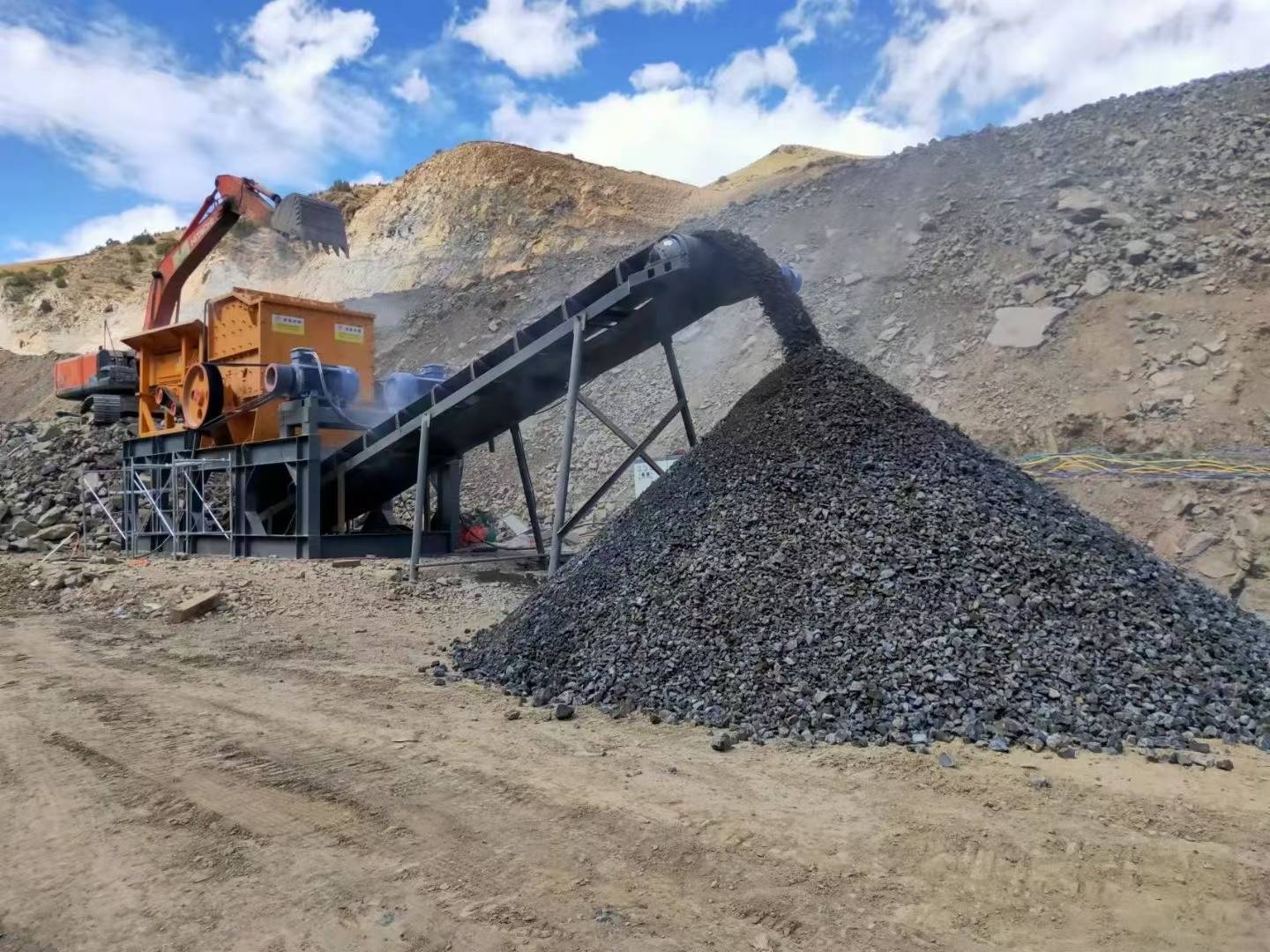
Mining Operating Conditions and Key Equipment Procurement Considerations
Introduction
Mining is a global industry that relies heavily on large-scale equipment and long-term operational stability. Whether in metal mining, non-metal mining, or aggregate production, mining projects are typically characterized by high capital investment, extended operating cycles, and complex site conditions.
Under these circumstances, effective coordination between equipment manufacturers, service providers, logistics systems, and on-site operations becomes essential. From an equipment manufacturing and supply perspective, understanding general mining operating conditions is a fundamental part of equipment selection and procurement planning.
Common Operational Characteristics of Mining Projects
In practical operation, mining projects often face factors that are not solely determined by ore characteristics or nominal equipment capacity.
These commonly observed characteristics include:
Mining sites located in remote areas with limited access and logistics routes
Multi-party coordination involving equipment suppliers and third-party service providers
Long transportation cycles for equipment and spare parts
Complex workforce scheduling, maintenance planning, and logistics coordination
Such conditions are widely present across mining projects worldwide and represent common industry operating realities rather than project-specific issues.
Importance of Equipment Reliability in Complex Operating Environments
In mining operations that require continuous production under variable site conditions, equipment reliability and operational stability are key considerations.
Mining equipment designed with the following characteristics is generally better suited for long-term operation:
Capability for continuous or high-load operation
Stable mechanical performance under demanding conditions
Clearly defined and manageable maintenance intervals
From a procurement standpoint, equipment that performs consistently under real operating conditions contributes directly to overall production efficiency.
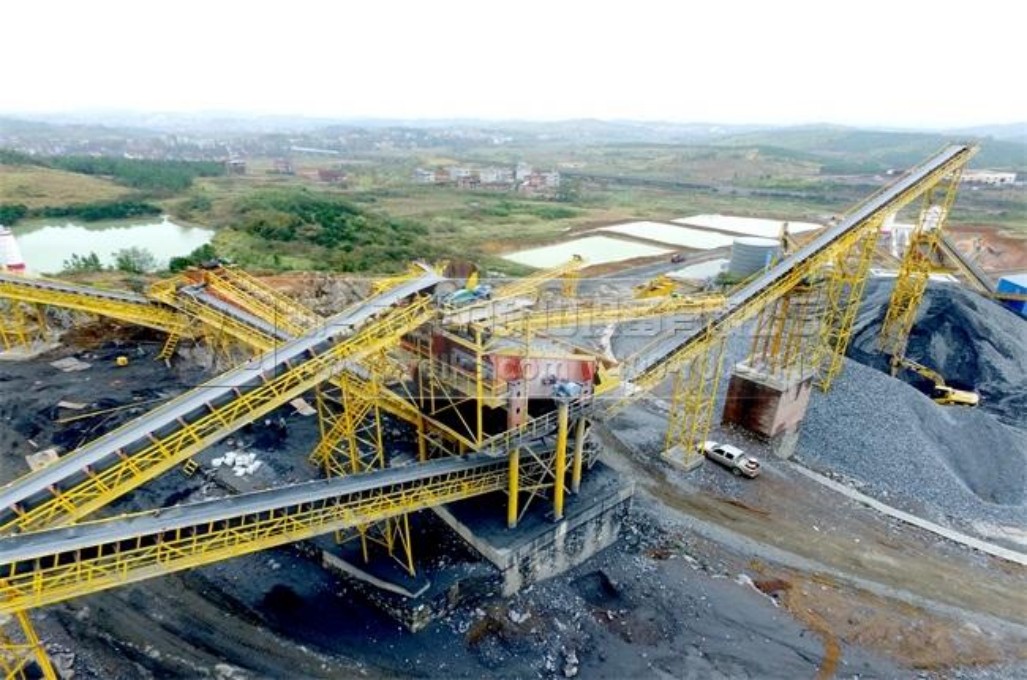
Key Considerations in Mining Equipment Procurement
When selecting equipment for mining projects, buyers typically evaluate a range of factors beyond theoretical throughput or rated capacity.
1. Structural Strength and Wear Resistance
Mining equipment operates under abrasive material conditions and extended running hours. Robust structural design and high-quality wear components help extend service life and support predictable maintenance planning.
2. Maintenance Accessibility and Service Simplicity
Equipment with straightforward mechanical design and accessible maintenance points allows for more efficient on-site servicing and reduced unplanned downtime. This is particularly important for projects located far from manufacturing or service centers.
3. Spare Parts Standardization and Supply Planning
The availability of critical spare parts plays an important role in long-term equipment operation. Standardized components, clear spare parts identification, and practical inventory planning help minimize operational impact caused by supply delays.
4. Supplier Experience and Long-Term Support Capability
Equipment suppliers with industry experience and the ability to provide comprehensive technical documentation and ongoing support are often preferred in large-scale mining projects.
Stable, long-term cooperation between equipment manufacturers and mining operators is commonly viewed as a positive factor in maintaining consistent production performance.
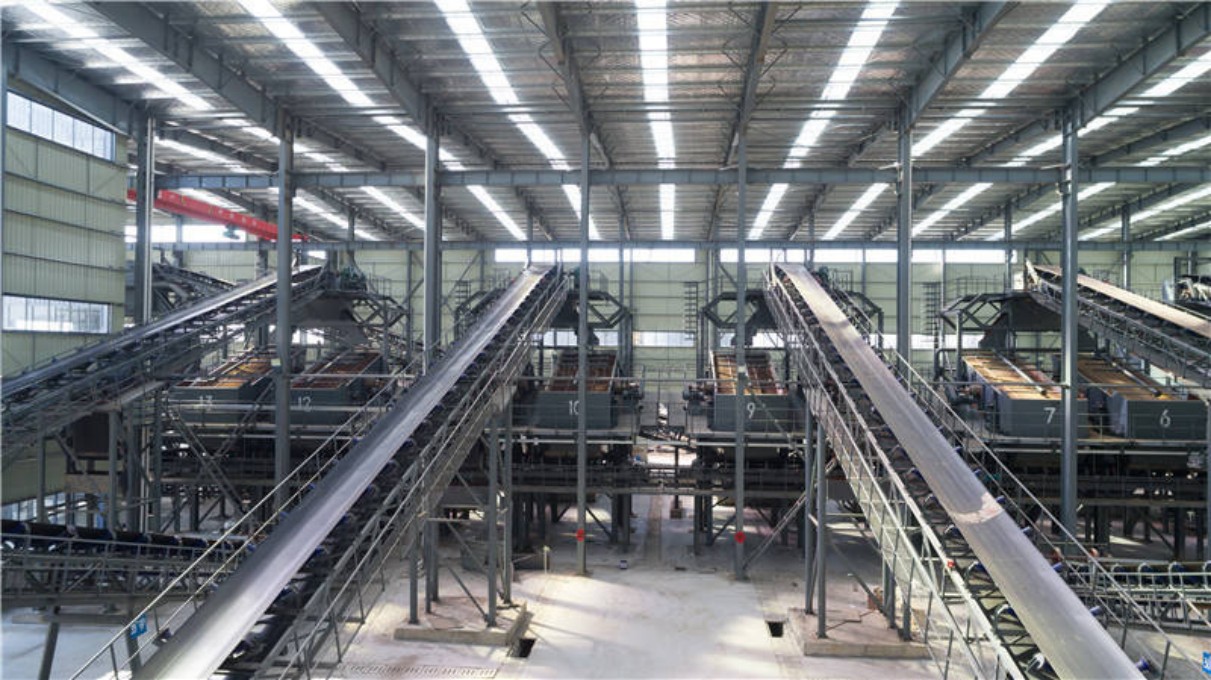
A Long-Term Perspective on Equipment Selection
Mining projects are typically planned and operated over many years. Equipment selection decisions made during the procurement stage can have lasting effects on operational efficiency, maintenance strategy, and overall project stability.
As a result, mining operators often assess equipment suppliers based on:
Technical suitability for site conditions
Manufacturing quality and process control
Delivery reliability and supply consistency
Long-term service and support capability
rather than focusing solely on initial purchase cost.
Conclusion
Across global mining projects, complex operating environments and continuous production requirements are common industry characteristics. While specific site conditions may vary, equipment reliability, maintenance practicality, and supplier support capability remain widely recognized as critical considerations.
From an equipment manufacturing and supply perspective, aligning product design, manufacturing quality, and support services with real operating conditions can contribute to more stable and efficient mining operations over the long term.
Disclaimer
This article is intended for general industry information only and is based on commonly observed operating conditions in mining projects worldwide. It does not refer to or evaluate any specific region, company, project, or event.