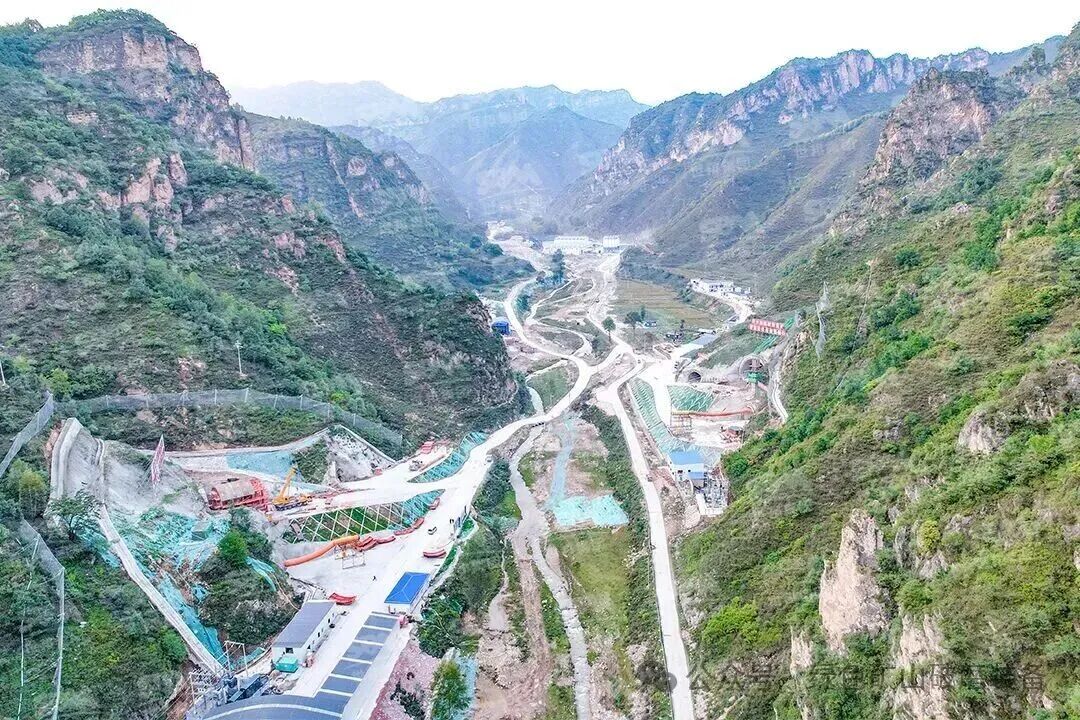
Tunnel Muck Resource Utilization
Tunnel Muck Resource Utilization: On-Site Aggregate Production Line for Sustainable Construction
In the construction of high-speed railways and other large-scale infrastructure projects, aggregates are essential raw materials for concrete and subgrade works. Their quality directly affects structural safety, durability, and long-term performance. At the same time, tunnel excavation generates large volumes of tunnel muck, making efficient and environmentally responsible disposal a critical industry challenge.
With the growing emphasis on green construction and circular economy principles, converting tunnel muck into reusable aggregate materials has become an increasingly important and practical solution.
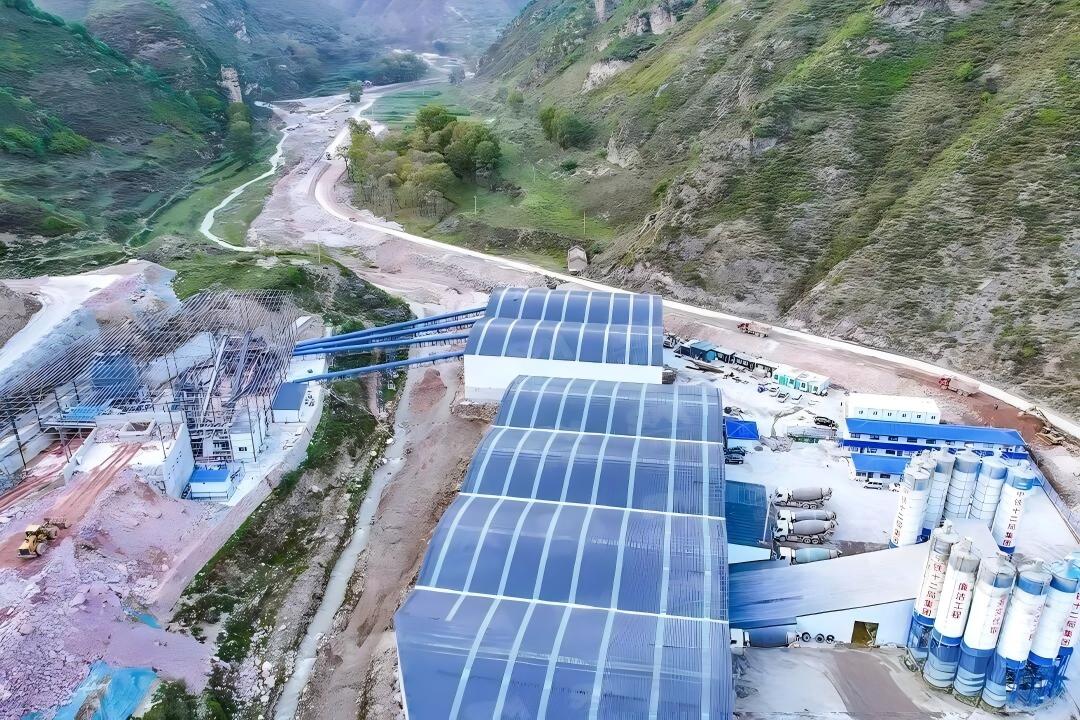
What Is Tunnel Muck and Can It Be Reused?
Tunnel muck refers to the rock fragments, gravel, and excavated materials produced during tunnel construction. Common rock types include granite, gneiss, basalt, and limestone. Whether tunnel muck can be reused as aggregate mainly depends on its lithology, surrounding rock grade, and mechanical properties.
Practical engineering experience shows that tunnel muck with dense structure and high compressive strength can meet the technical requirements for concrete aggregates. After proper crushing, screening, and shaping processes, tunnel muck can be processed into manufactured sand and graded aggregates, widely used in high-speed railway, road construction, and other infrastructure projects.
On-Site Aggregate Production: An Efficient Path for Resource Recycling
Building an aggregate production line directly at the construction site is an effective way to realize tunnel muck resource utilization. This on-site processing model enables immediate conversion of excavation waste into usable construction materials, significantly reducing muck disposal, raw material procurement, and transportation costs.
A typical on-site aggregate production line can be designed with a capacity of around 200 tons per hour, capable of continuously processing high-hardness tunnel muck and supplying aggregates steadily to meet project demands. This approach allows construction progress and resource recycling to advance simultaneously.
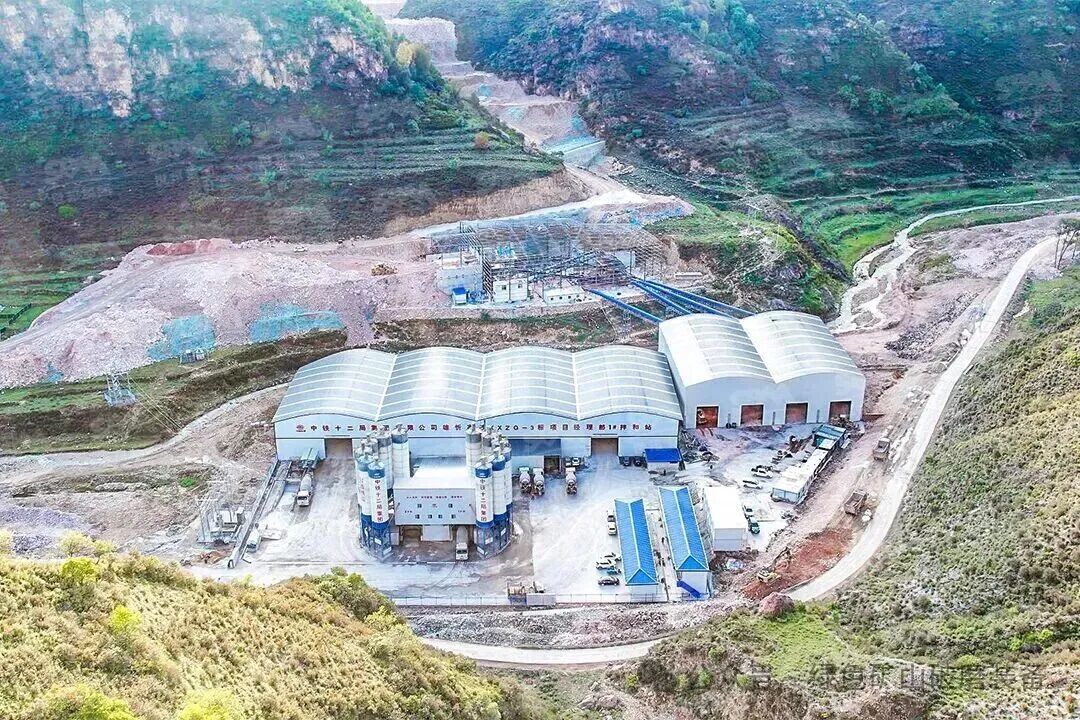
Optimized Process Design for High-Quality Aggregates
Due to the high hardness and variable particle size of tunnel muck, aggregate production lines usually adopt a multi-stage crushing and shaping process:
Primary crushing stage: Large tunnel muck blocks are reduced to suitable sizes for downstream processing.
Secondary and tertiary crushing stages: Lamination crushing principles are applied to reduce flaky and elongated particles and improve aggregate quality.
Sand making and shaping stage: Particle shape and gradation are optimized to enhance manufactured sand performance.
Screening stage: Accurate classification ensures multiple aggregate size ranges that meet railway construction standards.
With scientific equipment selection and process configuration, high-hardness excavation waste can be processed efficiently while maintaining long-term stable operation.
Comprehensive Benefits of Tunnel Muck Recycling
Transforming tunnel muck into construction aggregates delivers multiple benefits:
Environmental benefits: Reduced waste dumping and minimized land and ecological impact
Economic benefits: Lower raw material and transportation costs, improved resource efficiency
Construction efficiency: Stable aggregate supply ensures smooth project progress
Demonstration value: Provides a replicable model for similar tunnel construction projects
Resource Recycling as a Key Trend in the Aggregate Industry
Under global low-carbon and sustainable development goals, resource recycling is becoming a core development direction for the aggregate industry. By establishing on-site aggregate production lines, tunnel muck and other construction waste can be transformed into high-value building materials, supporting both infrastructure development and environmental protection.