
Global Sand and Gravel Aggregate Market 2025: Shrinking Demand, Regional Shifts, and Sustainable Transformation
Introduction
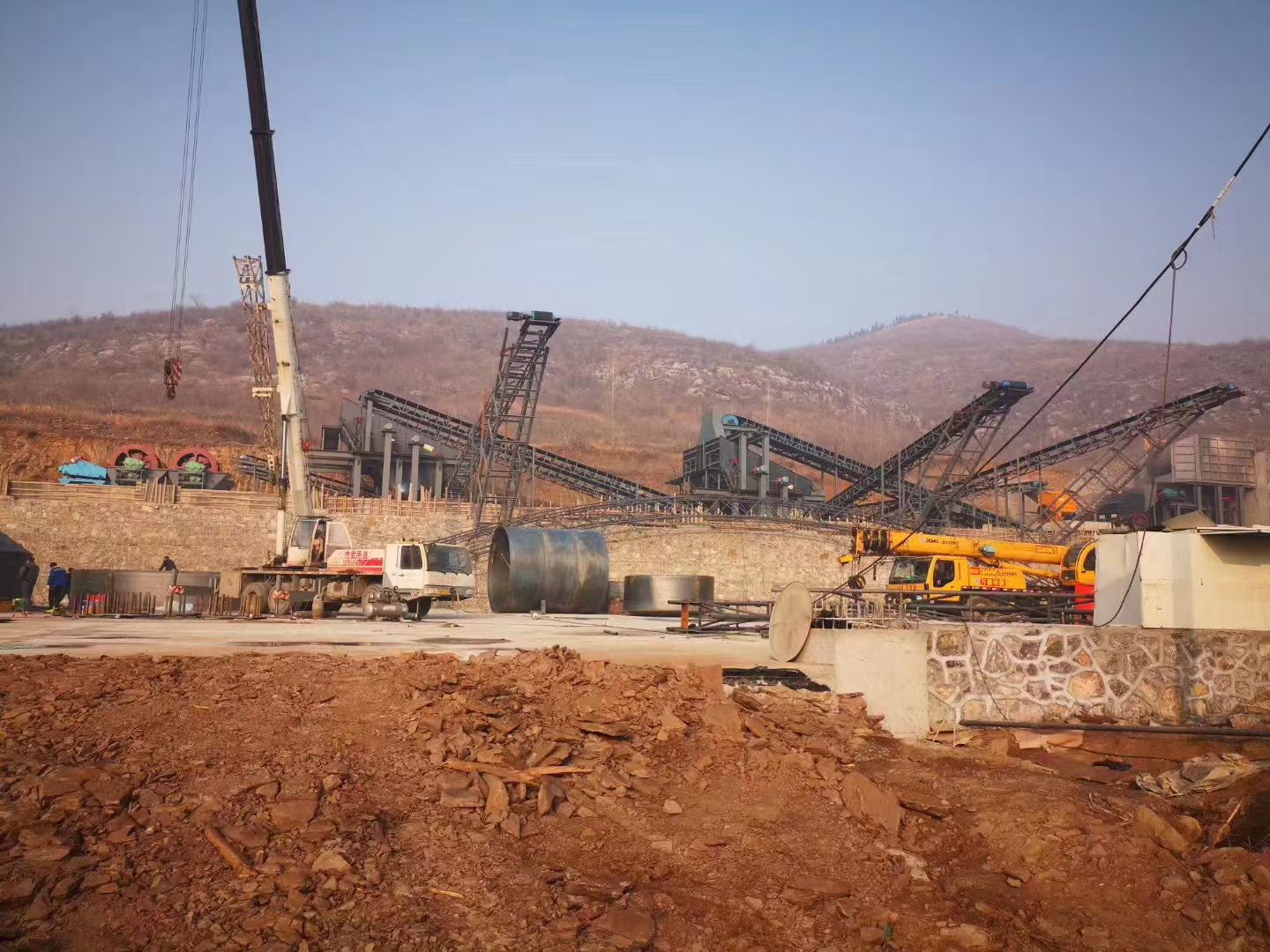
Section 1: Global Market Overview
1.1 Market Size and Projections
The global aggregates market demonstrates robust long-term growth despite regional variations:
| Metric | 2024/2025 Data | 2033/2034 Projection | CAGR |
|---|---|---|---|
| Global Market Value | $464.57–624.48 billion | $615.07–1,071.90 billion | 3.57%–5.55% |
| Asia-Pacific Share | 69% of global market | Maintaining dominance | — |
| China's Market Share | Over 36% by volume | Growth slowing | Negative trend |
| North America Growth | Mature market | Fastest growing region | Accelerating |
Key Insight:
While the Asia-Pacific region maintains 69% global market share, growth is increasingly driven by India and Southeast Asia as Chinese demand contracts.
1.2 China's Market Contraction: A Structural Shift
China's sand and gravel market has fundamentally changed:
2025 Demand: Approximately 12.699 billion tons, down 7.24% year-over-year
2025 H1 Demand: 6.11 billion tons, down 4.14% compared to same period in 2024
Trend: Fourth consecutive year of negative growth since 2021
Root Causes
Continued weakness in real estate sector
Slowing infrastructure investment expansion
Market transition from "volume growth" to "quality development"
Regional Divergence within China
While most provinces experienced declining demand, Hebei and Tibet bucked the trend with growth driven by national strategic projects.
Section 2: Regional Market Dynamics
2.1 Asia-Pacific: Still Dominant but Shifting
| Sub-region | Status | Key Drivers |
|---|---|---|
| China | Mature / Declining | Oversupply, reduced construction activity |
| India | High Growth | Urbanization, infrastructure boom |
| Southeast Asia | Emerging | Manufacturing relocation, Belt and Road projects |
| Japan / South Korea | Stable | Maintenance-driven demand |
The Yangtze River and Pearl River Delta regions—historically China's aggregate heartland—face intensifying oversupply as new production capacity comes online in 2025, further pressuring prices.
2.2 North America: The New Growth Engine
North America is projected to be the fastest-growing region during the forecast period, driven by:
Federal infrastructure investment ($72 billion allocated by U.S. DOT in 2023)
Highway modernization and expansion projects
Smart city initiatives
Commercial real estate renewal
Advanced logistics networks and extraction technologies
2.3 Europe: Sustainability Leadership
Europe maintains steady growth through:
Green building policies promoting recycled aggregates
Urban revitalization projects
Strict quality standards favoring established suppliers
Circular economy principles reducing natural resource dependence
Section 3: Industry Consolidation
The aggregates industry is experiencing unprecedented consolidation.
Major M&A Activities in 2024–2025
| Date | Transaction | Value | Strategic Impact |
|---|---|---|---|
| November 2024 | Quikrete acquires Summit Materials | $11.5 billion (including debt) | Creates ready-mix concrete and aggregates giant |
| July 2024 | Heidelberg Materials acquires Highway Materials (Philadelphia) | Undisclosed | Expands U.S. East Coast presence with 4 quarries, 9 asphalt plants |
| Ongoing | CRH, Holcim, Vulcan Materials regional acquisitions | Various | CR3 global market share only 3.6%, room for further consolidation |
Market Structure
Global Top 5 (CR5):
Holcim, CRH, Heidelberg Materials, Cemex, Vulcan Materials
China Market:
Led by CNBM, Conch Cement, Huaxin Cement, but fragmented with many regional small players.
Section 4: Sustainability Revolution
Environmental pressures are transforming aggregate sourcing.
4.1 Regulatory Drivers
EU Green Deal: Mandating recycled content in construction
China: Stricter quarrying permits, dust emission controls (national standard ≤10mg/m³)
U.S.: State-level recycled material requirements increasing
4.2 Technology Advances
| Innovation | Application | Benefit |
|---|---|---|
| Incinerator Bottom Ash (IBA) processing | UK facility converts 200,000 tons/year to EcoBlend aggregate | Reduces landfill, creates sustainable material |
| Carbon-neutral asphalt | Aggregate Industries' Foamix Eco | On-site production, potential carbon neutrality |
| Advanced crushing/screening | Digital monitoring and automation | Improved efficiency, reduced environmental impact |
Market Impact:
Recycled aggregates now represent the fastest-growing segment in developed markets, with premium pricing in some regions.
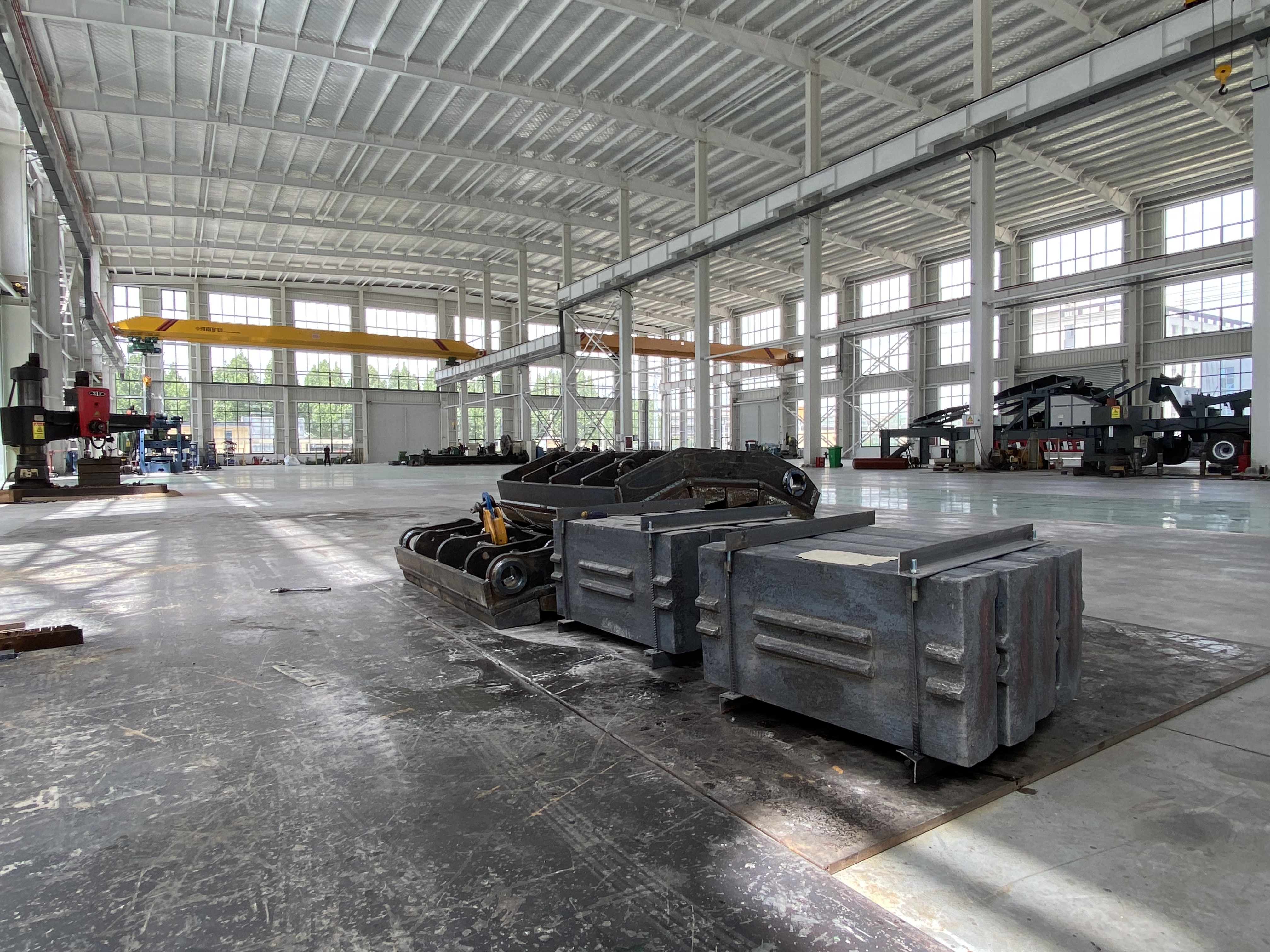
Section 5: Implications for Crushing Equipment Manufacturers
The shifting aggregate market creates both challenges and opportunities for equipment suppliers.
5.1 Demand Pattern Changes
| Segment | Trend | Equipment Impact |
|---|---|---|
| Large mining operations | Stable but selective demand | High-capacity, automated systems |
| Mobile / recycling plants | Rapid growth | Mobile crushers, screeners in demand |
| Sustainable processing | Emerging requirement | Dust suppression, noise reduction, energy efficiency |
| Retrofit / upgrades | Increasing | Aftermarket parts, automation kits |
5.2 Regional Equipment Demand
China: Replacement market dominates; focus on efficiency upgrades, environmental compliance
Southeast Asia / India: New capacity installation; demand for cost-effective, robust equipment
North America / Europe: Premium equipment, automation, and recycling technology
5.3 Technology Requirements
Modern aggregate producers prioritize:
Energy efficiency: Lower kWh/ton ratios
Automation: Remote monitoring, predictive maintenance
Flexibility: Multi-material processing capability
Environmental compliance: Dust control, noise reduction, water recycling
Section 6: Price Trends and Cost Pressures
6.1 China Price Dynamics
2025 Trend: Continued downward pressure due to oversupply
Regional Variation: Yangtze River basin faces most severe competition
Cost Factors: Transportation costs becoming critical differentiator
6.2 Global Cost Structure
| Cost Component | Impact | Mitigation Strategy |
|---|---|---|
| Energy | 15–20% of production cost | Renewable energy, efficient equipment |
| Transportation | Often exceeds extraction cost | Proximity to market, rail/water logistics |
| Regulatory compliance | Increasing | Technology investment, automation |
| Labor | Rising in emerging markets | Automation, remote operation |
Section 7: 2026 Outlook and Strategic Recommendations
7.1 Market Forecast
China: Continued contraction expected; stabilization possible in H2 2026 if infrastructure stimulus deployed
Global: Steady 3.5–6% CAGR maintained by growth in India, Southeast Asia, North America
Recycled aggregates: 15–20% annual growth in regulated markets
7.2 Equipment Supplier Strategies
Diversify geographically: Reduce China dependence, expand in India, Southeast Asia, Africa
Invest in recycling technology: Mobile crushing, sorting, and washing systems
Develop service capabilities: Aftermarket parts, remote diagnostics, equipment retrofits
Focus on total cost of ownership: Energy efficiency, automation, and durability
Build local partnerships: Joint ventures for manufacturing and service in growth markets
Conclusion
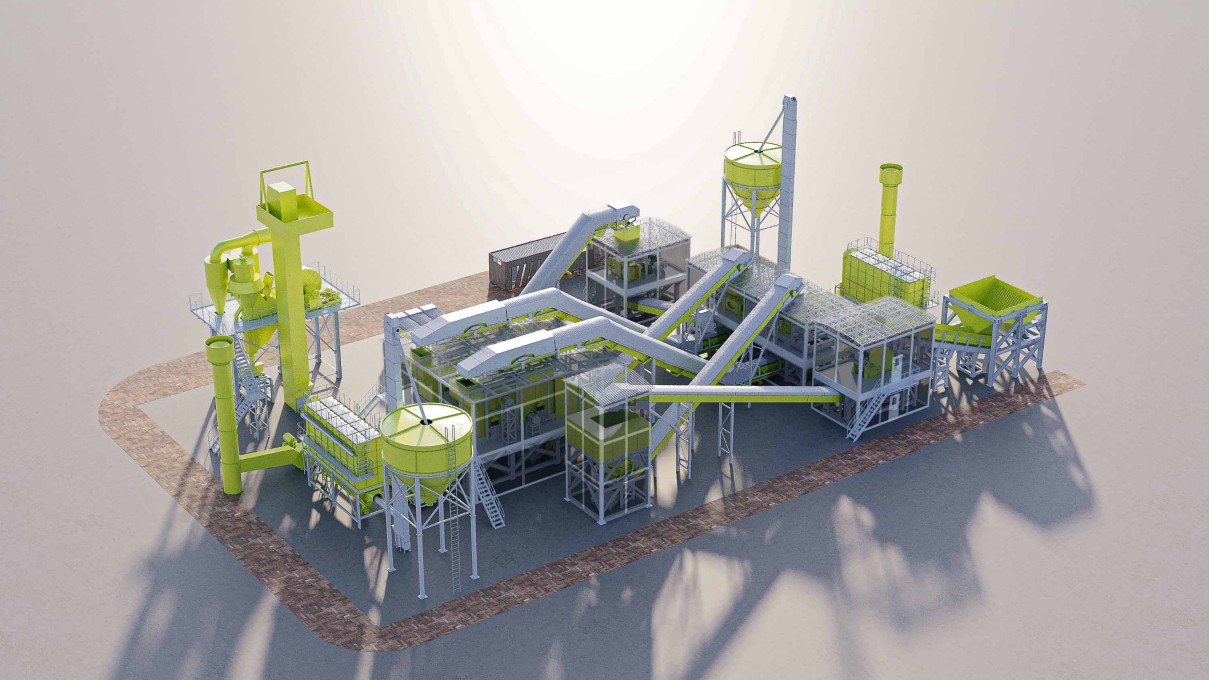
The sand and gravel aggregate industry is transitioning from a high-growth, volume-driven model to a mature, efficiency-focused, and sustainable paradigm. While China's market contraction presents immediate challenges, global growth opportunities remain substantial—particularly in recycling technology, emerging markets, and premium equipment for developed economies.
Success in this environment requires equipment manufacturers to be agile, technologically advanced, and geographically diversified. The winners will be those who can deliver not just crushing capacity, but integrated solutions for sustainable, efficient, and compliant aggregate production.