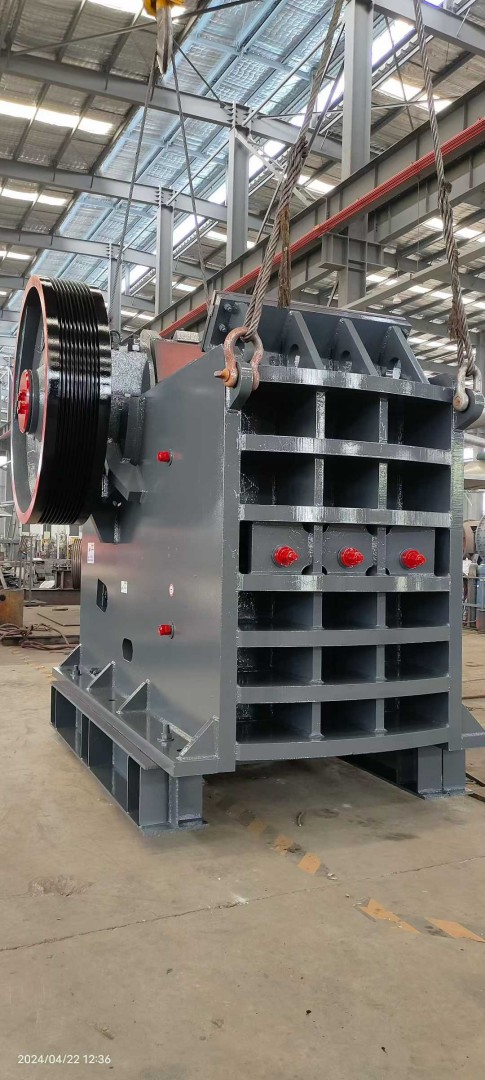
PE Jaw Crushers: Industry Insights, Applications, and Selection Tips
Introduction
Primary crushing is a crucial step in mining, quarrying, and aggregate production. Among the available options, PE jaw crushers have remained a reliable choice for operators worldwide. This overview explores their working principles, common applications, and key factors to consider when choosing a crusher, offering insights for industry professionals.
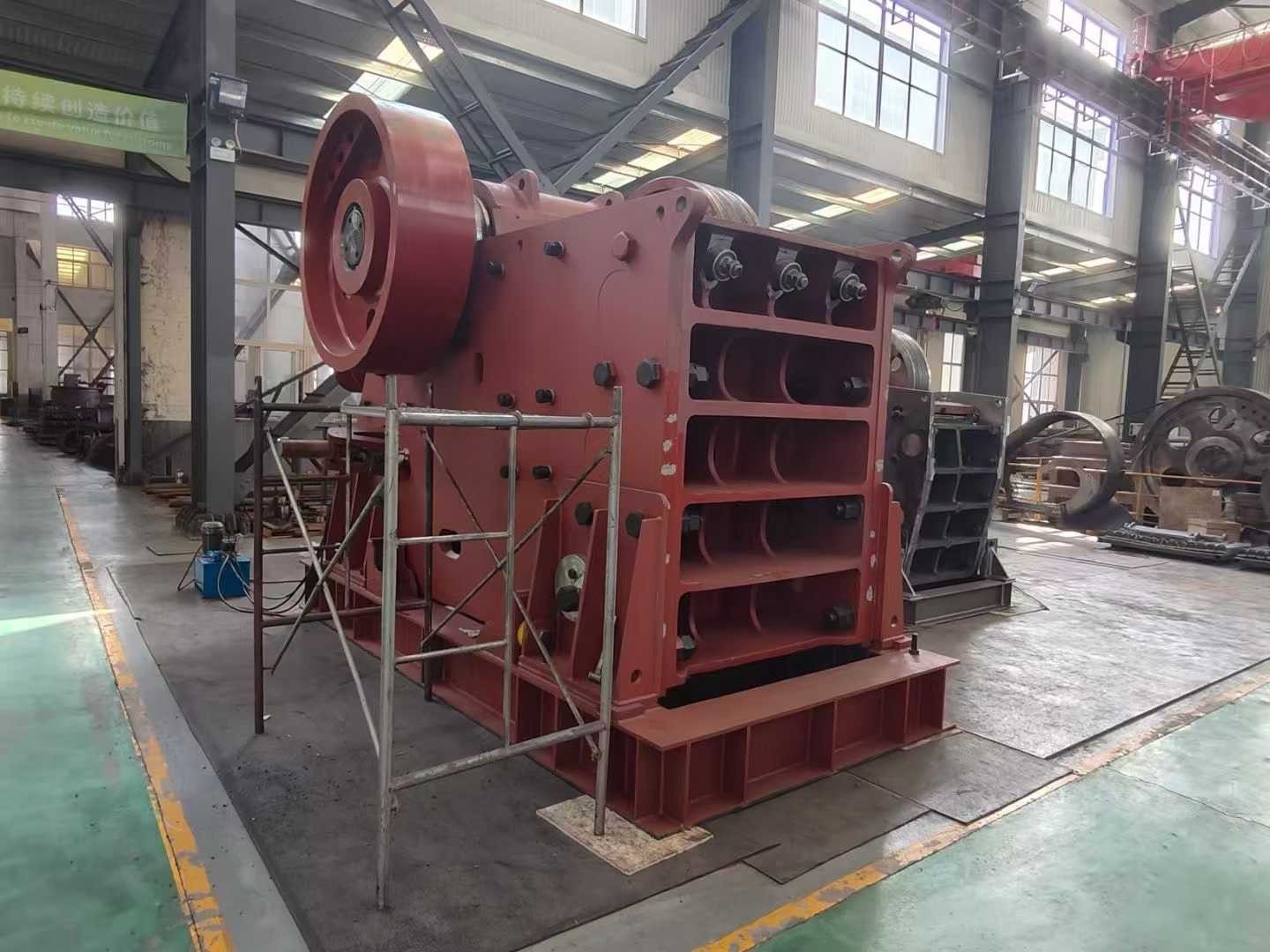
PE jaw crushers are mechanical devices designed for primary size reduction of hard and abrasive materials. They work by compressing material between a fixed and a moving jaw, gradually breaking it down into manageable pieces. This straightforward principle supports long-term, continuous operation in demanding environments.](https://hengtai-global.com/html/web/PE/index.html)
Applications Across Industries
PE jaw crushers are widely used in:
Mining for primary ore crushing
Quarrying and stone processing
Construction aggregate production
Cement and building materials
Recycling of concrete and demolition waste
Their ability to handle varying material hardness and large feed sizes makes them an essential component of many crushing systems.
Key Design Features
Simple mechanical structure: Reduces potential failures and simplifies maintenance
High adaptability: Handles materials from soft limestone to hard rocks
Stable operation: Proven design supports continuous performance
Ease of maintenance: Wear parts are straightforward to replace, minimizing downtime
Selection Considerations
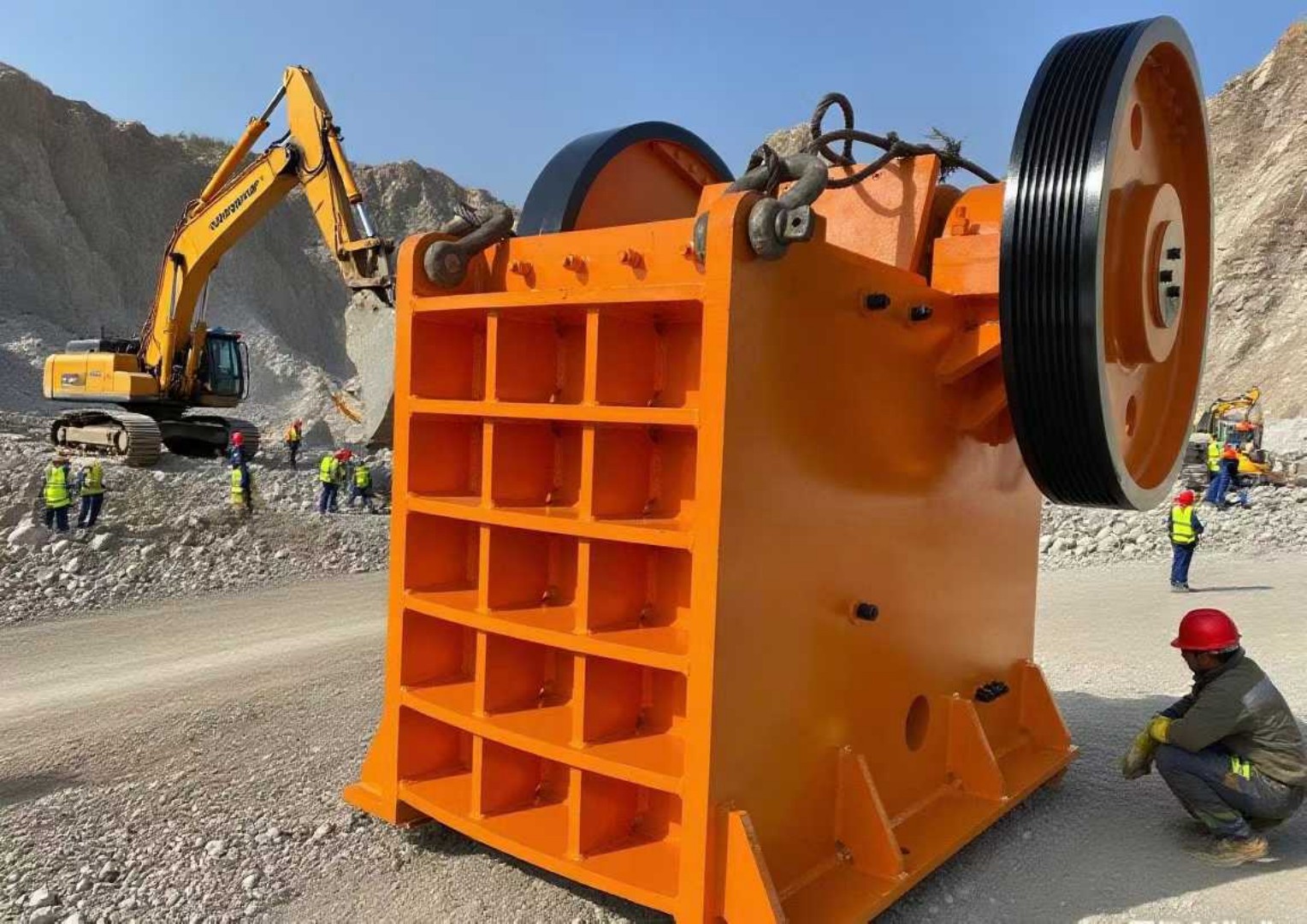
When choosing a PE jaw crusher, consider:
Maximum feed size vs. crusher inlet
Material hardness and abrasiveness
Desired production capacity
Operating environment and maintenance conditions
Understanding these factors helps ensure the equipment meets long-term operational needs without unnecessary cost or downtime.
Conclusion
PE jaw crushers remain a cornerstone of primary crushing applications due to their durability, adaptability, and ease of maintenance. For detailed specifications and available models, industry professionals can explore our PE Jaw Crusher product page.