
How Is Jaw Crusher Price Determined
A Practical Guide from Application Scenarios to Long-Term Operating Cost
In mining, aggregate, and construction industries, jaw crusher price is often one of the first concerns for buyers. However, in real purchasing decisions, the price of a jaw crusher is not a fixed number. It is the result of multiple factors, including equipment configuration, material characteristics, operating intensity, and long-term service support.](https://www.youtube.com/@HT6234-c2t)
Jaw Crusher Price Is Not the Same as Total Cost
Many buyers compare jaw crusher prices only at the quotation stage. In reality, the real cost difference usually appears after the machine starts operating.
A jaw crusher with a lower purchase price may result in higher wear costs, frequent downtime, or shorter service life.
A higher-priced jaw crusher may offer lower long-term operating cost and better production stability.
Understanding price means understanding how the crusher will be used.
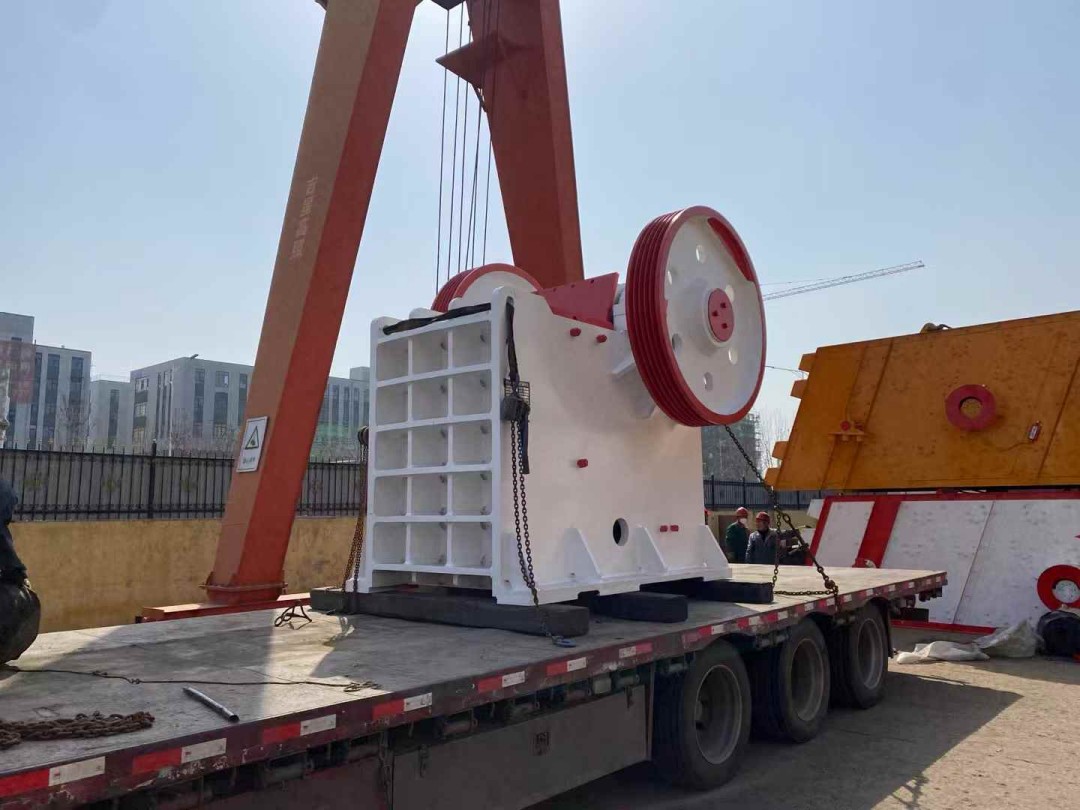
Key Factors That Define Jaw Crusher Price
1. Capacity and Model Configuration
Jaw crusher models are mainly defined by:
Feed opening size
Output capacity (tons per hour)
Higher capacity requires stronger frames, larger shafts, and higher-load bearings, which directly increase manufacturing cost.
Buyer perspective:
Small-scale users focus on meeting basic production needs
Medium and large projects require sufficient capacity to avoid production bottlenecks
2. Manufacturing Scale and Quality Standards
Jaw crushers produced under standardized manufacturing systems usually have:
Consistent quality
Stable delivery schedules
Better interchangeability of parts
Certified production standards (such as ISO or CE) also influence overall cost, especially for export-oriented or large-scale projects.
3. Core Components and Internal Configuration
One of the biggest price differences comes from internal components that are not immediately visible:
Main shaft forging process
Bearing brand and load rating
Motor power matching and redundancy
These factors determine whether the jaw crusher can operate reliably under continuous or high-load crushing conditions.
4. Wear Parts and Material Hardness
Material hardness plays a critical role in jaw crusher cost.
Crushing soft materials such as limestone places lower demands on wear parts.
Crushing hard materials such as granite or basalt requires higher-grade manganese steel jaw plates (e.g. Mn18 or Mn22).
Although higher-grade wear parts increase the initial price, they significantly extend replacement intervals and reduce downtime.
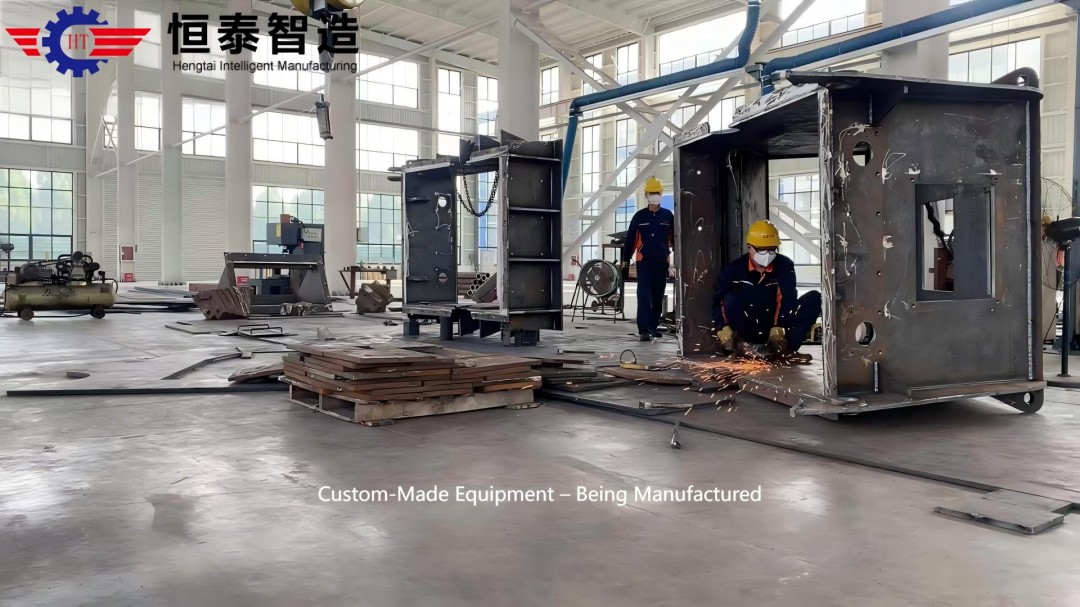
5. Processing Method and Assembly Accuracy
Jaw crusher price is also influenced by:
Frame manufacturing method (welded vs. cast structure)
CNC machining accuracy
Assembly tolerance control
These factors directly affect vibration levels, bearing life, and overall machine stability during long-term operation.
6. Operating Hours and Working Intensity
Jaw crushers are designed for different working systems:
Intermittent operation (8 hours/day)
Extended operation (16 hours/day)
Continuous operation (24/7)
Machines designed for heavy-duty, continuous crushing require stronger structures and higher-grade components, which increases price but ensures reliability.
7. Maintenance Cycle and Operating Cost
Jaw crusher price also reflects future maintenance requirements:
Wear parts replacement frequency
Ease of maintenance
Need for skilled technical support
For long-term projects, predictable maintenance cost is often more important than a low initial price.
8. After-Sales Service and Spare Parts Support
Different price levels usually include different service scopes:
Installation and commissioning support
Technical training
Spare parts availability
Overseas service capability
For medium and large projects, these services are often considered part of the total jaw crusher cost.
Jaw Crusher Price from Different Customer Perspectives
Small-Scale Users
Focus on initial investment
Short operating hours
Softer materials
Accept more frequent maintenance
Medium-Scale Users
Seek cost-performance balance
Value stable operation
Focus on wear parts life and downtime reduction
Large-Scale and Mining Projects
Focus on long-term operating cost
High-intensity, continuous operation
Prefer complete solutions rather than lowest equipment price
How to Choose the Right Jaw Crusher for Your Budget
Instead of asking “Which jaw crusher is the cheapest?”, buyers should consider:
What material will be crushed?
How many hours per day will the crusher operate?
How long is the project lifecycle?
What is the cost of unexpected downtime?
The true value of a jaw crusher lies in how well its price matches the application.
FAQ
Q1: Why does jaw crusher price vary so much?
Jaw crusher prices vary due to differences in capacity, configuration, material hardness, operating intensity, and service support.
Q2: Is a higher-priced jaw crusher always better?
Not always. A higher price is justified when the application requires long operating hours, hard materials, and high reliability.
Q3: What costs should be considered beyond jaw crusher price?
Wear parts, maintenance, downtime risk, energy consumption, and after-sales service.