
Inside ZW Feeders: Structural Breakdown and Key Components
Inside ZW Feeders: Structural Breakdown and Key Components
Meta Description:
A clear structural breakdown of the ZW linear vibrating feeder—explaining the trough, eccentric shaft system, springs, and frame in a simple, visual way. Designed so even non-technical readers can understand how the equipment is built.
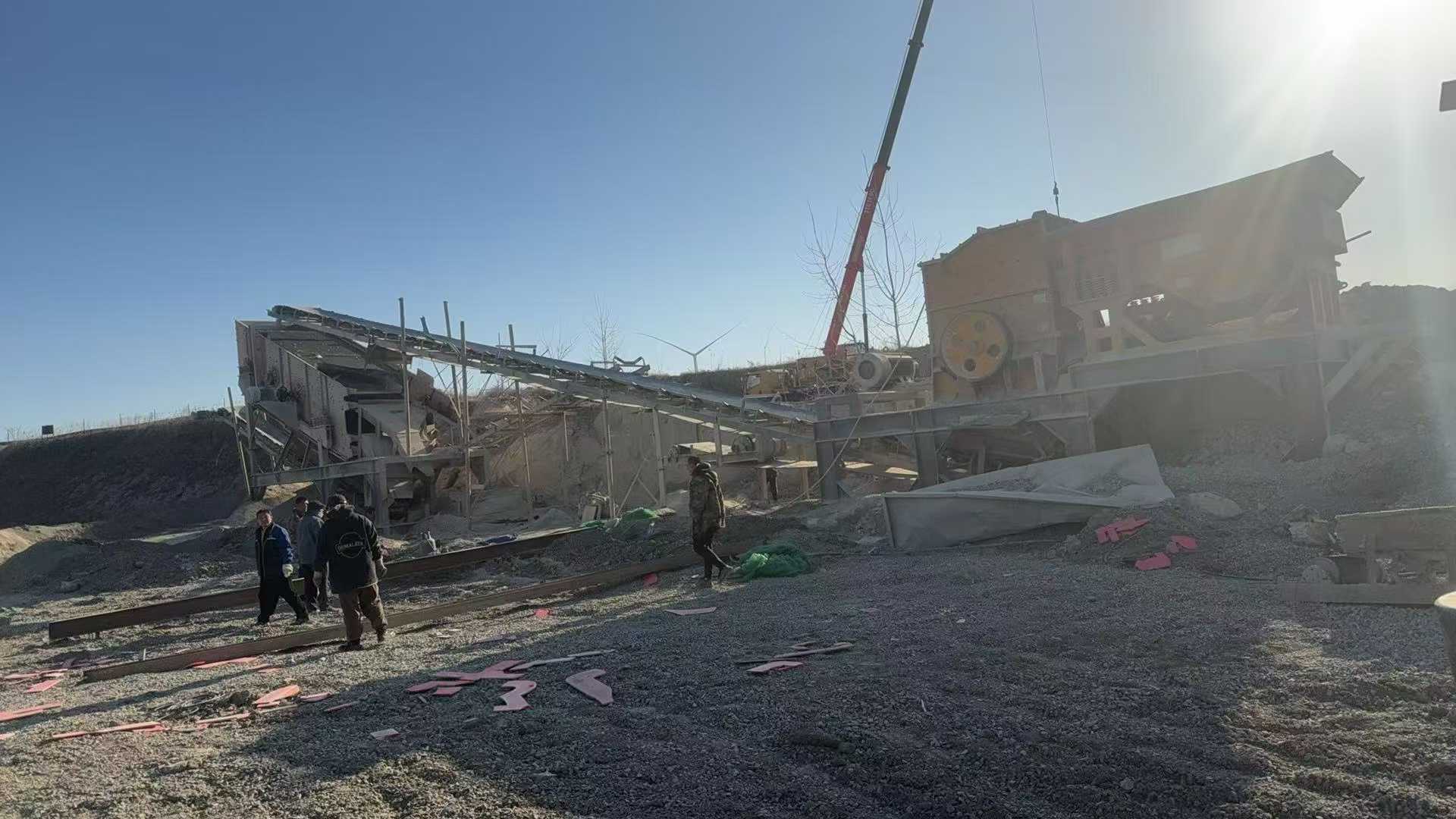
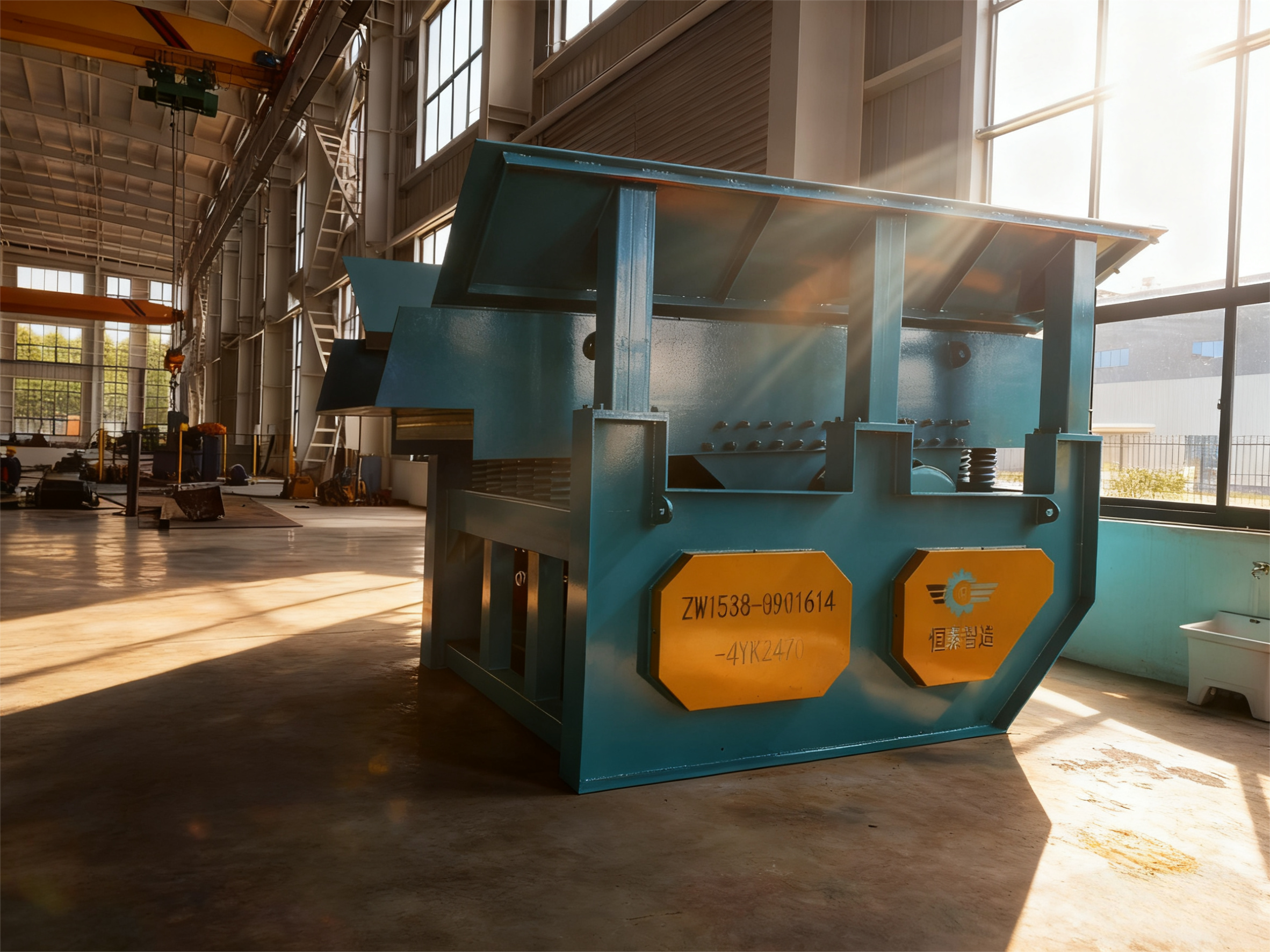
4.1 Overall Structure — The Four Main Components
Think of a ZW feeder as a simplified three-wheeled vehicle:
| Component | Comparable To | Function |
|---|---|---|
| Trough | Cargo bed | Holds stone and absorbs impact |
| Eccentric Shaft System | Engine + transmission | Generates vibration power |
| Springs | Tires + shock absorbers | Support weight and cushion vibration |
| Frame | Chassis | Connects everything and anchors to the ground |
4.2 The Trough — The “Room” Where Stones Stay
Key Design Considerations
| Section | Design Focus | Common Problems |
|---|---|---|
| Bottom Plate | Thick steel (10–16 mm) + wear liners | Dents, wear-through, material leakage |
| Side Plates | Reinforced with stiffeners to prevent deformation | Bulging after long-term impact |
| Discharge End | Can be designed with grizzly bars (for pre-screening) | Bar gaps clogged |
| Inlet End | Reinforced structure to withstand maximum impact | Deformation affecting sealing |
Wear Liners — The “Body Armor” of the Trough
| Material | Hardness | Service Life | Cost | Suitable Materials |
|---|---|---|---|---|
| Mild Steel Plate | Low | 3–6 months | Low | Soft stone, limestone |
| NM360 Wear Plate | Medium–High | 1–1.5 years | Moderate | Granite, hard rock |
| NM450 Wear Plate | High | 1.5–2 years | Higher | Basalt, steel slag |
On-Site Tip:
Replace liners when thickness is worn down to 5 mm. Waiting until the base plate is worn through can make repairs up to ten times more expensive.
4.3 The Eccentric Shaft System — The “Heart” of the Vibration
Component Sequence
Motor → V-belt → Pulley → Eccentric Shaft → Eccentric Block → Bearing Housing → Trough
           ↑
      Flexible connection for buffering and protection
Dual-Shaft Layout
Two shafts are installed parallel beneath the trough
Synchronized through gears to ensure opposite rotation
Heavy-duty self-aligning roller bearings are used to withstand vibration loads
Eccentric Blocks — The “Amplitude Adjustment Knob”
Similar to a cam—the larger the eccentric distance, the stronger the vibration
Adjustable design: change the angle between two eccentric blocks for stepless amplitude control
On-site adjustment: stop the machine, loosen bolts, adjust angle, tighten bolts
4.4 The Spring System — The “Feet” of the Equipment
Why Are Springs Necessary?
Imagine jumping on concrete versus jumping on a trampoline.
On concrete, the impact goes straight to your knees.
On a trampoline, the force is absorbed and cushioned.
Springs are the feeder’s trampoline.
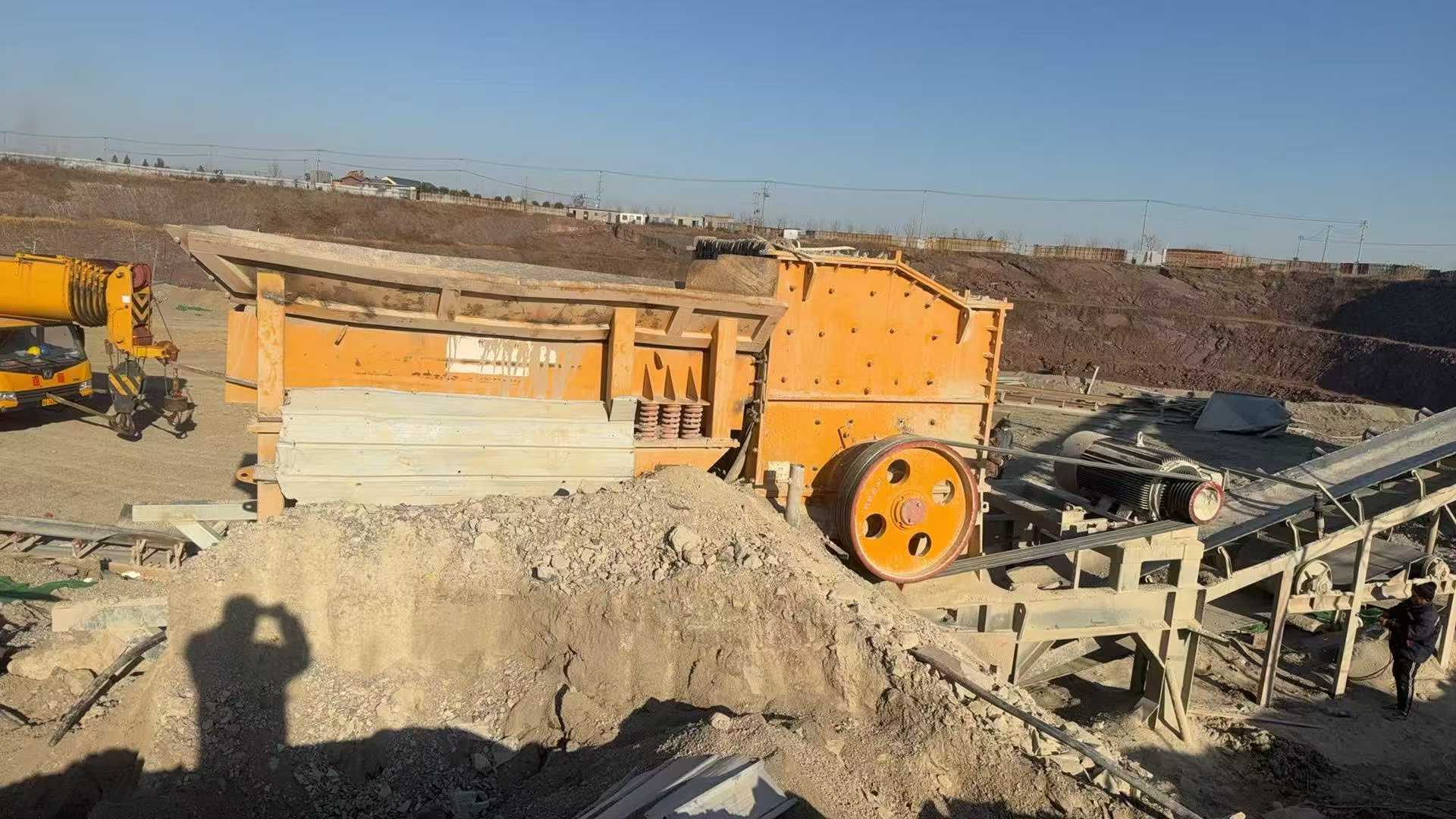
Two Types of Springs
| Type | Location | Function | Stiffness |
|---|---|---|---|
| Main Vibration Springs | Between trough and frame | Transfer vibration, allow trough movement | Relatively stiff |
| Isolation Springs | Between frame and ground | Protect foundation, reduce transmitted vibration | Softer |
Common Spring Types
Steel Springs: Long lifespan, higher noise, require lubrication
Rubber Springs: Low noise, maintenance-free, stiffness may change with aging
Composite Springs: Steel + rubber, combine advantages, higher cost
Inspection Checklist
Ensure all springs are the same height (machine must stand level)
Check for cracks or permanent deformation
Verify proper pre-compression (not too loose, not fully compressed)
4.5 The Frame — The “Skeleton” of the Machine
Frame Types
| Type | Features | Application |
|---|---|---|
| Welded Box Beam | Closed section, strongest | Ultra-heavy duty (ZW1945 and above) |
| I-Beam Combination | Open section, easier manufacturing | Medium–large models (ZW1032–ZW1742) |
| Structural Steel Frame | Simple and economical | Light-duty models |
Critical Design Principles
Center of Gravity Alignment:
The centerlines of motor, trough, and springs must align. Otherwise, excessive vibration and imbalance occur.Secure Anchoring:
Use embedded parts or chemical anchor bolts. Simple floor bolts are insufficient and may loosen over time.
4.6 Pre-Screening Device — The “Money-Saving Sieve”
Structure
At the discharge end, steel bars (grizzly bars) replace part of the bottom plate. Fine materials fall through the gaps, while larger stones continue forward.
Grizzly Bar Parameters
| Parameter | Standard Design | Adjustable Range |
|---|---|---|
| Gap Width | 0.8 × downstream crusher discharge opening | Customizable |
| Inclination Angle | 10–15° | Too steep: excessive fine leakage; too flat: clogging |
| Cross Section | Trapezoidal (wider top, narrower bottom) | Prevents material jamming |
Economic Benefits
Fine material bypasses the crusher → Crusher capacity increases by 20–30%
Less wear on hammers → Extended service life
Overall power consumption reduced by approximately 15%
4.7 Wear Parts Checklist — Spare Parts Planning Guide
| Wear Part | Service Life | Inventory Suggestion | Replacement Signal |
|---|---|---|---|
| Trough Liners | 6–18 months | Keep 1 full set | Thinning or leakage |
| Grizzly Bars | 12–24 months | Keep 1 set | Severe wear or fracture |
| V-Belts | 6–12 months | Keep 2 sets | Slipping or cracks |
| Bearings | 2–3 years | Keep 1 set | Abnormal noise or overheating |
| Springs | 2–5 years | As needed | Cracks or height change |
Conclusion
Although a ZW feeder may look like nothing more than a steel box with a motor, every internal component is purposefully engineered:
The trough resists heavy impact
The eccentric shaft system ensures stable vibration
The springs absorb and manage dynamic forces
The frame maintains structural integrity
Understanding these components makes routine inspection and maintenance far more targeted and effective.