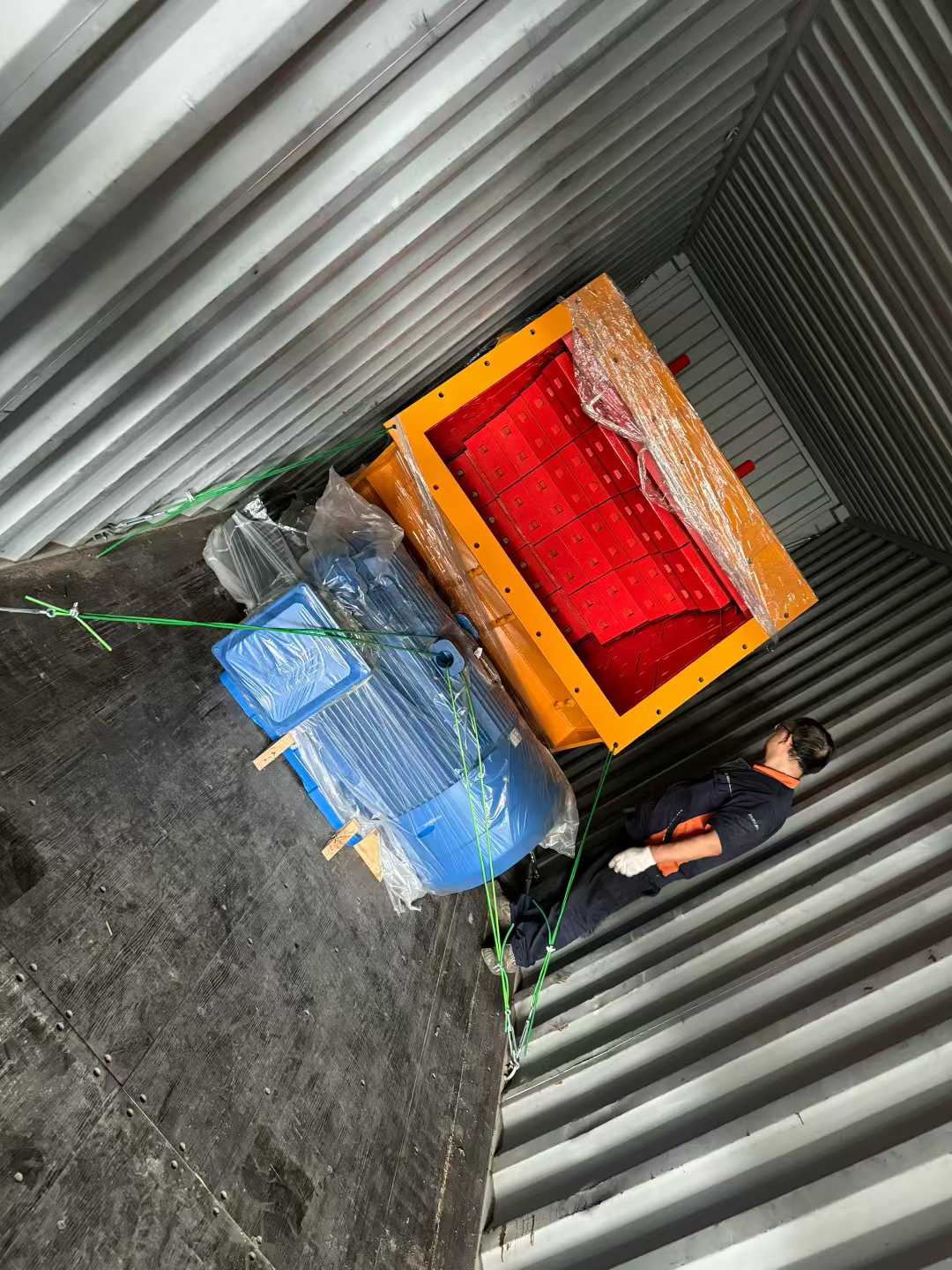
Motor Selection Guide for ZW Feeders: Power Configuration Made Simple
Motor Selection Guide for ZW Feeders: Power Configuration Made Simple
Meta Description:
No need for complex formulas—using practical experience and simple ratios, learn how to select the right motor power for your ZW feeder and understand the role of eccentric block adjustments.
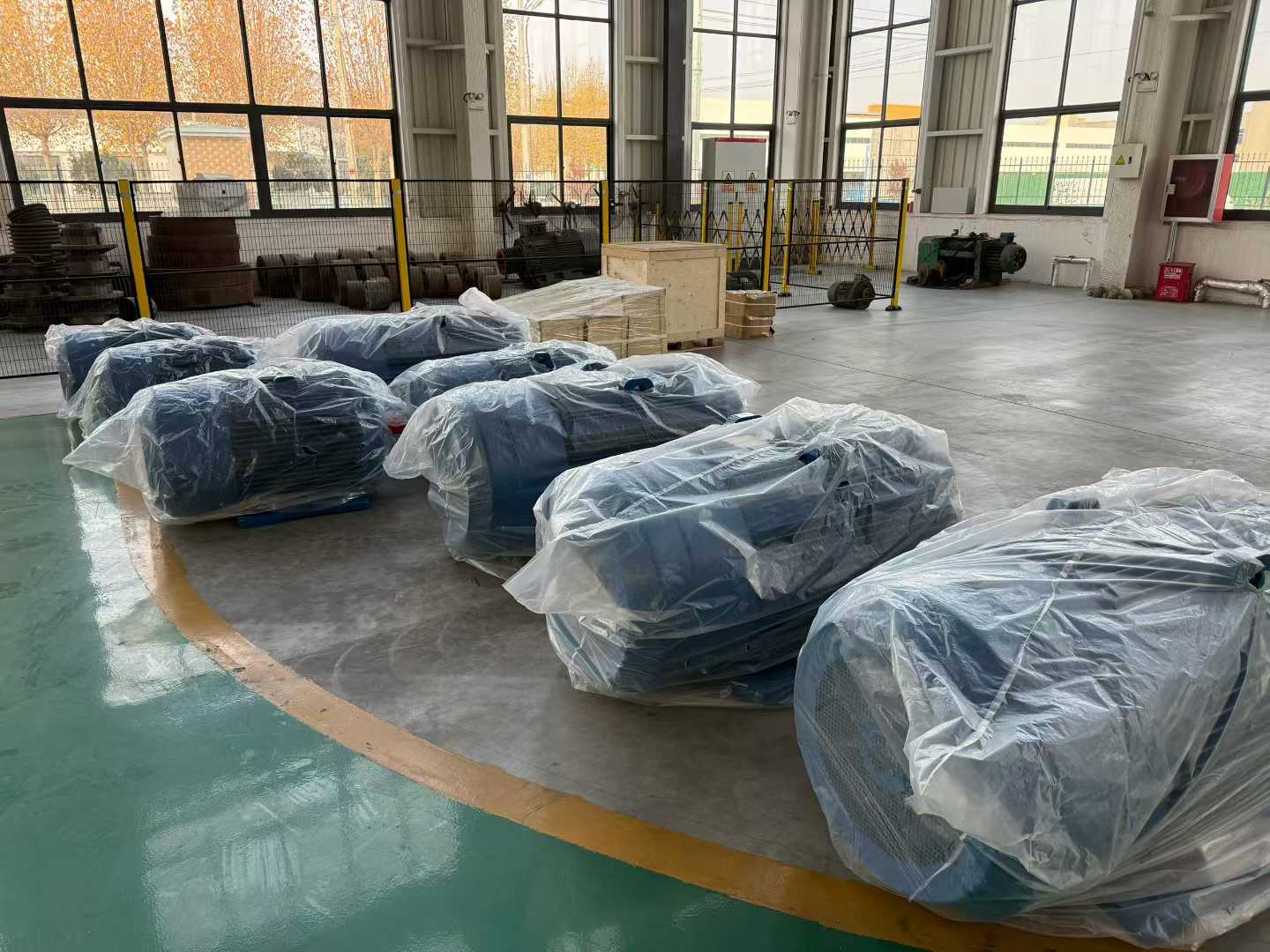
6.1 Core Questions in Motor Selection
Customers often ask:
"For a capacity of 200 tons per hour, what motor size should I choose?"
"Is a bigger motor always better?"
"If the amplitude is insufficient, can I just replace it with a larger motor?"
Simple Principle:
Bigger is not always better; proper matching is key. Just like car engines: a small car with a huge engine wastes power, while a small engine cannot drive a large car efficiently.
6.2 Quick Reference for Motor Selection (Based on Your Plant’s Product Table)
| Model | Capacity Range | Motor Power | Applicable Scenario |
|---|---|---|---|
| ZW1032 | 60–80 t/h | 15 kW | Small line, soft material |
| ZW1234 | 80–120 t/h | 18.5 kW | Standard sand & gravel line |
| ZW1340 | 100–150 t/h | 18.5 kW | Medium scale |
| ZW1542 | 150–200 t/h | 22 kW | Large line, big blocks |
| ZW1742 | 200–300 t/h | 30 kW | Large-scale production |
| ZW1945 | 260–360 t/h | 37 kW | Mining grade, high capacity |
Selection Tips:
Determine model by required capacity
For hard or large blocks, choose one level higher
At high altitudes (thin air), motor rating decreases—choose one level higher
6.3 Why Motor Power and Capacity Are Not Linear
Question:
ZW1945 has 4–5 times the capacity of ZW1032, but only 2.5 times the motor power (37 kW vs 15 kW). Does that make sense?
Explanation:
The feeder’s power primarily overcomes vibration friction and material inertia, not just lifting the material.
Large equipment has a heavier trough, but the material volume per unit length does not increase proportionally.
Design optimization: larger machines use lower frequency + higher amplitude, achieving higher efficiency.
Conclusion:
Trust the manufacturer’s recommended configuration; do not arbitrarily increase motor power.
6.4 Eccentric Block Adjustment – On-Site “Power Tuning”
When to Adjust:
Stones too large, not moving → increase amplitude (jump higher)
Stones too small, flying too far → decrease amplitude (gentler)
Capacity insufficient → increase amplitude or frequency (if variable frequency)
How to Adjust (General Steps):
Shut down, disconnect power, and hang warning signs
Open motor protective cover to access eccentric blocks
Loosen bolts on the adjustable eccentric blocks
Adjust angles:
Blocks aligned (0°) → maximum force
Blocks offset 180° → minimum force (theoretically zero)
Start at mid-position (~90°)
Adjust both sides equally and tighten bolts
Start machine, observe performance, and fine-tune if needed
Experience-Based Settings:
Large hard material: 30–60° (strong)
Medium/small particles: 60–90° (moderate)
Fine powder or fragile material: 90–120° (gentle)
6.5 V-Belt Maintenance – Often Overlooked but Critical
Role of V-Belt:
Connects motor and eccentric shaft, transmitting power while providing buffer protection.
Common Issues:
| Problem | Symptom | Cause | Solution |
|---|---|---|---|
| Slippage | Motor runs, trough doesn’t vibrate or vibrates weakly | Loose or worn belt | Adjust tensioner or replace belt |
| Noise | Sharp squeal | Belt slipping or sand inside | Clean and tighten |
| Breakage | Sudden stop | Aging or overload | Replace; check for jammed material |
| Overheating | Hot to touch | Too tight or misaligned | Loosen and realign pulley |
Maintenance Schedule:
Monthly: Check tension (15–20 mm deflection with finger)
Quarterly: Inspect wear and cracks
Annually: Replace (even if belt looks fine; rubber ages)
6.6 Variable Frequency Upgrade – Advanced Option
What is Variable Frequency?
Adjusting motor speed to change vibration frequency.
Benefits:
Soft start: Low frequency at startup, gradually accelerating, reducing stress on the power grid and machinery
Capacity adjustment: Lower frequency for reduced production saves energy
Amplitude control: Works with eccentric block for stepless adjustment
Cautions:
Requires a dedicated variable-frequency motor; using ordinary motors can cause burnout
Frequency should not be too low (<20 Hz) to ensure adequate cooling
Higher cost, suitable for large lines or highly automated operations
6.7 Quick Diagnosis of Motor Faults
| Symptom | Possible Cause | Check Points |
|---|---|---|
| Motor overheats | Overload, poor cooling, bad bearing | Is current above rated? Fan running? Bearing noise? |
| Motor hums but doesn’t turn | Phase loss, jammed, bearing seized | Three-phase power OK? Rotor can turn manually? |
| Trip at startup | Short circuit, grounding, overload | Insulation resistance? Eccentric block adjustment too large? |
| Sudden stop during operation | Protection triggered, burnout, belt break | Thermal relay tripped? Burnt smell? Belt broken? |
Conclusion
Next Preview:
“ZW Feeder Installation Pitfalls Guide – On-Site Commissioning Experience”