
How to Adjust ZW Feeder Output: Field Tuning Techniques
How to Adjust ZW Feeder Output: Field Tuning Techniques
Meta Description:
How to adjust ZW feeder output in actual production: step-by-step methods for adjusting incline, amplitude, and frequency, as well as strategies for different materials.
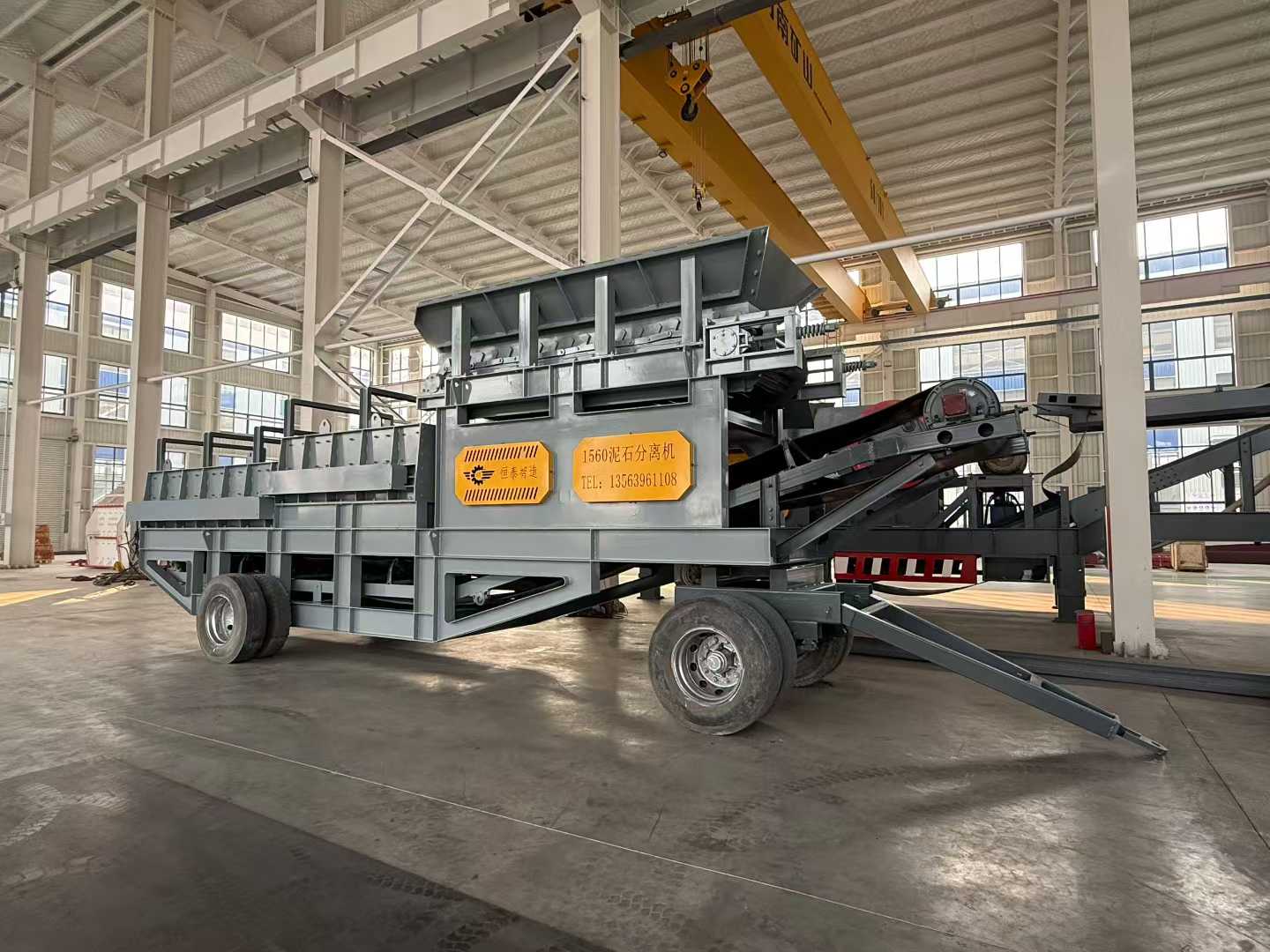
8.1 Three "Tools" to Adjust Output
The ZW feeder’s output is like water flow from a faucet—three “valves” control it:
| Adjustment Method | Equivalent | Effect | Difficulty |
|---|---|---|---|
| Adjust Incline | Pipe slope | Steeper slope → faster feed, but less precise | Requires shutdown, relatively cumbersome |
| Adjust Amplitude | Water pressure | Higher pressure → stronger feed | Requires shutdown, moderate difficulty |
| Adjust Frequency | Faucet opening | Linear, most precise control | Variable frequency allows online adjustment, easiest |
8.2 First Tool: Adjust Incline – "Go with the Flow"
Principle:
Tilting the trough downward lets gravity help the material slide forward, increasing feed rate.
Operation:
Shut down, loosen support leg bolts
Raise the feed end or lower the discharge end
Usually adjust 1–5°, maximum 15°
Tighten bolts after adjustment and recheck level
Effect Reference:
| Incline | Output Change | Applicable Scenario |
|---|---|---|
| Level (0°) | Baseline | Precise control, sticky material |
| 3° downward | +20% | Standard sand & gravel, recommended |
| 5° downward | +35% | Dry particles |
| 10° downward | +50% | Urgent high output, increased wear |
Note: Too steep → stones may jump too high, damaging the trough or downstream equipment; too aggressive → hard to control.
8.3 Second Tool: Adjust Amplitude – "Increase Force"
Principle:
The larger the eccentric block angle, the larger the combined eccentric moment → stronger vibration → higher, farther material jump.
Adjustment Method (see Section 6):
Shut down and adjust eccentric block angles
0° (aligned) = maximum force
180° (opposite) = minimum force (almost zero)
Usually adjust between 30–90°
Field Experience:
| Material Condition | Recommended Angle | Effect |
|---|---|---|
| Large stones not moving | 30–60° | High jump, fast feed |
| Medium particles, normal | 60–90° | Moderate, stable |
| Fine powder or fragile | 90–120° | Gentle, low dust |
Important: Both sides must match. If left 60° and right 90°, the trough will twist, material will run off-center, bearings fail faster.
8.4 Third Tool: Adjust Frequency – "Speed at Will"
Prerequisite: Motor must be a variable-frequency motor with inverter.
Adjustment Range: Typically 25–50 Hz (1500–3000 RPM)
Effect:
High frequency: fast vibration, high output, but faster wear, more noise
Low frequency: slower vibration, lower output, energy saving, longer equipment life
Application:
Day shift high demand: 50 Hz, full load
Night shift low demand: 35 Hz, energy saving
Startup: gradually ramp from 20 Hz, soft start to protect equipment
8.5 Adjustment Strategies for Different Materials
Scenario 1: Large granite blocks (hard to move)
Large amplitude (60°) + small incline (3°) + medium frequency (25 Hz)
Goal: strong vibration without flying too high
Scenario 2: Wet clay (sticks to trough)
Large incline (10°) + large amplitude (60°) + low frequency (20 Hz, if adjustable)
Goal: use gravity + strong vibration to dislodge clay
Scenario 3: Dry fine sand (dusty)
Small amplitude (90°) + level (0°) + high frequency (40 Hz, if adjustable)
Goal: gentle transport, reduce dust
Scenario 4: Mixed materials (large and small)
Medium amplitude (75°) + 3° incline + standard frequency
Goal: balance both sizes, ensure uniform feeding
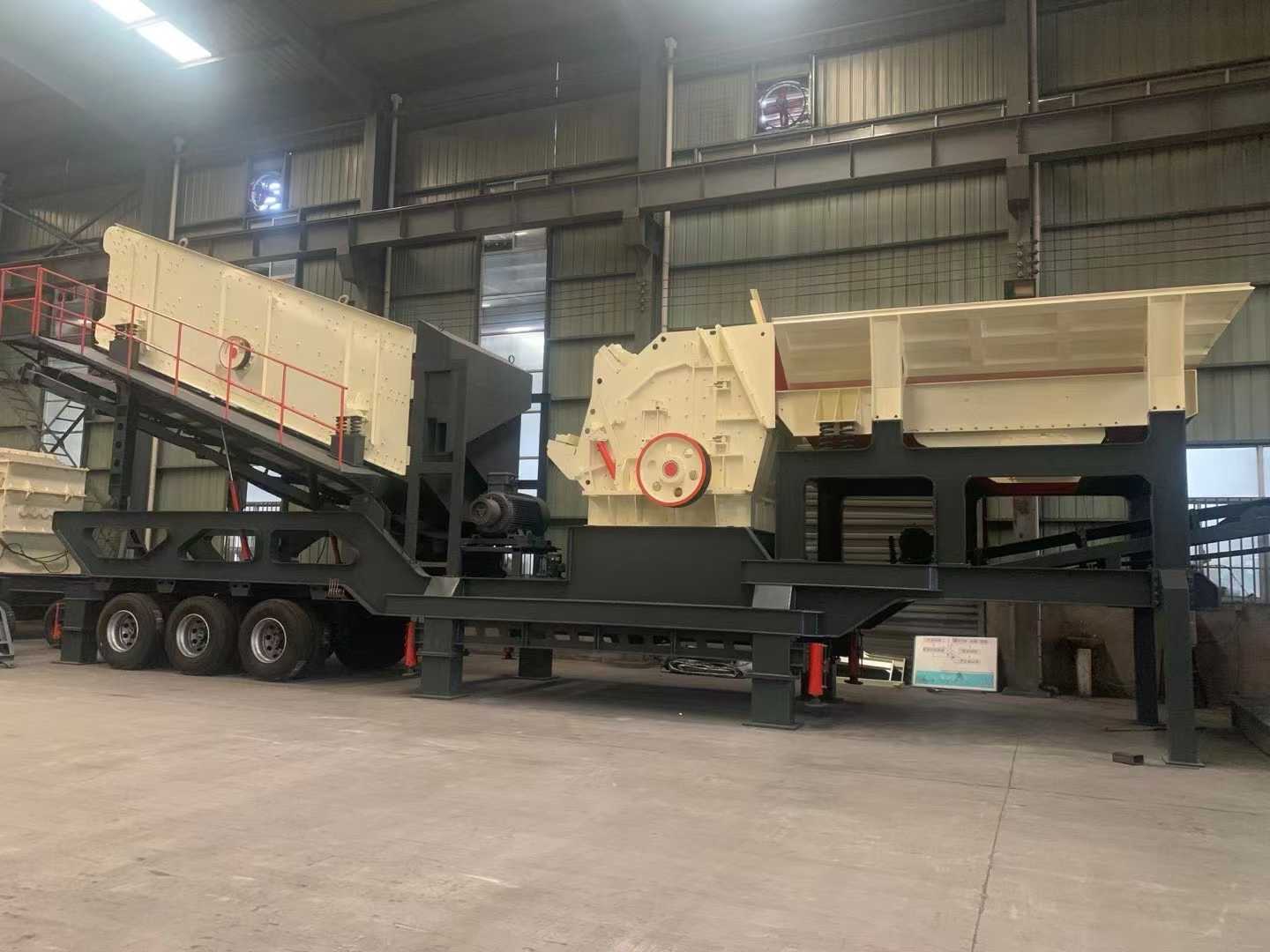
8.6 Verification After Adjustment
How to know adjustments are correct:
| Verification Method | Standard | Adjustment if Fails |
|---|---|---|
| Visual material flow | Evenly covers trough bottom, no piling or gaps | Piling → increase amplitude; Gaps → decrease amplitude |
| Timed output measurement | 1-min sample × 60 ≈ design output | Too low/high → adjust incline or amplitude |
| Crusher motor current | Stable at 80–100% of design | Large fluctuations → uneven feed, adjust amplitude |
| Sound | Even, smooth humming, no impacts | Impacts → amplitude too high or large pieces jammed |
8.7 The Future of Automation – Intelligent Adjustment
Trends:
Feeders equipped with weight sensors to monitor real-time output
Linked with crusher current: low current → feeder increases feed; high current → feeder reduces feed
Achieve “unmanned operation,” protect equipment from overload
Current Capabilities:
Variable frequency + PLC control with pre-set modes (High Output / Energy Saving / Night Mode)
One-button switching, no need to manually adjust eccentric blocks
Conclusion
Next Preview:
"ZW Feeder Routine Maintenance – Small Investment, Big Savings"