
Daily Maintenance for ZW Feeders: Small Costs, Big Savings
Daily Maintenance for ZW Feeders: Small Costs, Big Savings
Meta Description:
A daily maintenance checklist for ZW feeders: what to do daily, weekly, and monthly, when to replace wear parts, and how preventive maintenance can extend equipment life and reduce repair costs.
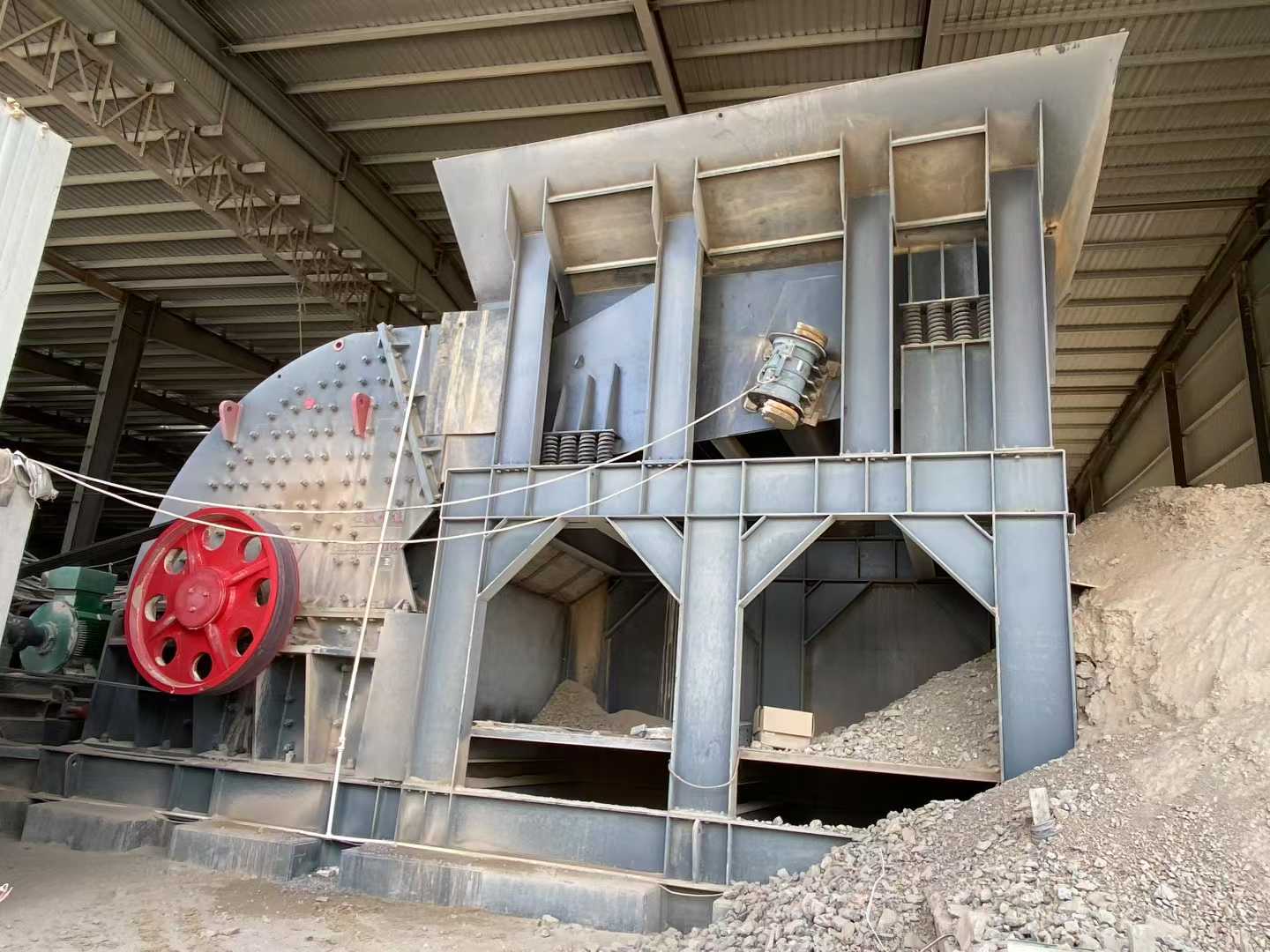
9.1 Maintenance Philosophy – "Prevention is Better than Cure"
Data Speaks:
Regularly maintained equipment lasts 30–50% longer
Planned maintenance costs only 1/10 of reactive repairs
Unexpected breakdowns typically cost 5–10× the repair fee due to downtime
Maintenance is like a health check-up: small issues caught early cost a few dollars to fix; left unchecked, they can destroy the entire machine.
9.2 Daily Maintenance Checklist (Per Day / Per Shift)
Before Startup (5 minutes):
Check anchor bolts: any loosening or displacement? (mark anti-loosening line, see if misaligned)
Check springs: cracks, deformation, missing?
Check trough: leakage, worn liners, foreign objects blocking flow
Check V-belt: proper tension? (finger push, deflection 15–20 mm), any cracks?
Listen: any changes in sound compared to previous shutdown/startup?
During Operation (Monitor Continuously):
Motor current: within normal range? Needle steady?
Vibration: smooth, no lateral sway?
Feeding status: is material flow uniform?
Abnormal noise: metal impacts, friction, squealing?
After Shutdown (5 minutes):
Clean residual material, especially sticky material
Check fasteners: hot bolts may loosen, retighten while warm
Record anomalies: note anything unusual
9.3 Periodic Maintenance (Weekly / Monthly)
Weekly (30 minutes):
Lubrication: motor bearings with grease (per motor manual; usually 3–6 months, but check oil weekly)
V-belt: detailed inspection for wear, adjust tensioner
Springs: measure all four spring heights, adjust if inconsistent
Welds: check trough and frame welds for new cracks
Monthly (2 hours):
Eccentric shaft bearings: check temperature (<70℃ normal, feel or IR thermometer), listen for noise
Liners: measure remaining thickness, plan replacement if <5 mm
Anchor bolts: tighten all with torque wrench to standard torque
Electrical: check terminal tightness, insulation
9.4 Wear Part Replacement Cycle and Signals
| Wear Part | Normal Life | Replacement Signal | Consequence if Not Replaced |
|---|---|---|---|
| Trough liner | 6–18 months | Worn <5 mm, leakage, pits | Trough worn through, stones jam frame, eccentric shaft stuck |
| Grates (if any) | 12–24 months | Worn <50% original thickness, broken | Screening fails, fine material enters crusher, output drops, hammer wears fast |
| V-belt | 6–12 months | Slippage, cracks, hardening | Belt breaks → sudden stop, possible motor damage |
| Bearings | 2–3 years | Noise, temp >80℃, high vibration | Bearings seize, eccentric shaft jam, motor burns, trough deforms |
| Springs | 2–5 years | Cracks, permanent deformation (>10% height), breakage | Uneven vibration, shaking, anchor looseness, collateral damage |
| Eccentric block bolts | Every adjustment | Loose, stripped threads | Eccentric block shift → sudden amplitude change → violent vibration |
9.5 Lubrication Guide – "Oil is Important"
Lubrication Points:
| Part | Lubricant | Interval | Method |
|---|---|---|---|
| Motor bearings | Lithium-based grease (#2 or #3) | 3–6 months | Grease gun until old grease extruded |
| Eccentric shaft bearings | Extreme pressure lithium grease (with MoS₂) | Check monthly, refill every 3 months | Open bearing housing, apply |
| V-belt tensioner bearings | Lithium grease | 6 months | Grease injection |
Lubrication Pitfalls:
❌ More grease is better → too much generates heat, damages bearings
❌ Mixing different greases → chemical reactions, ineffective
❌ Only add, never replace → old grease contains impurities, wears bearings
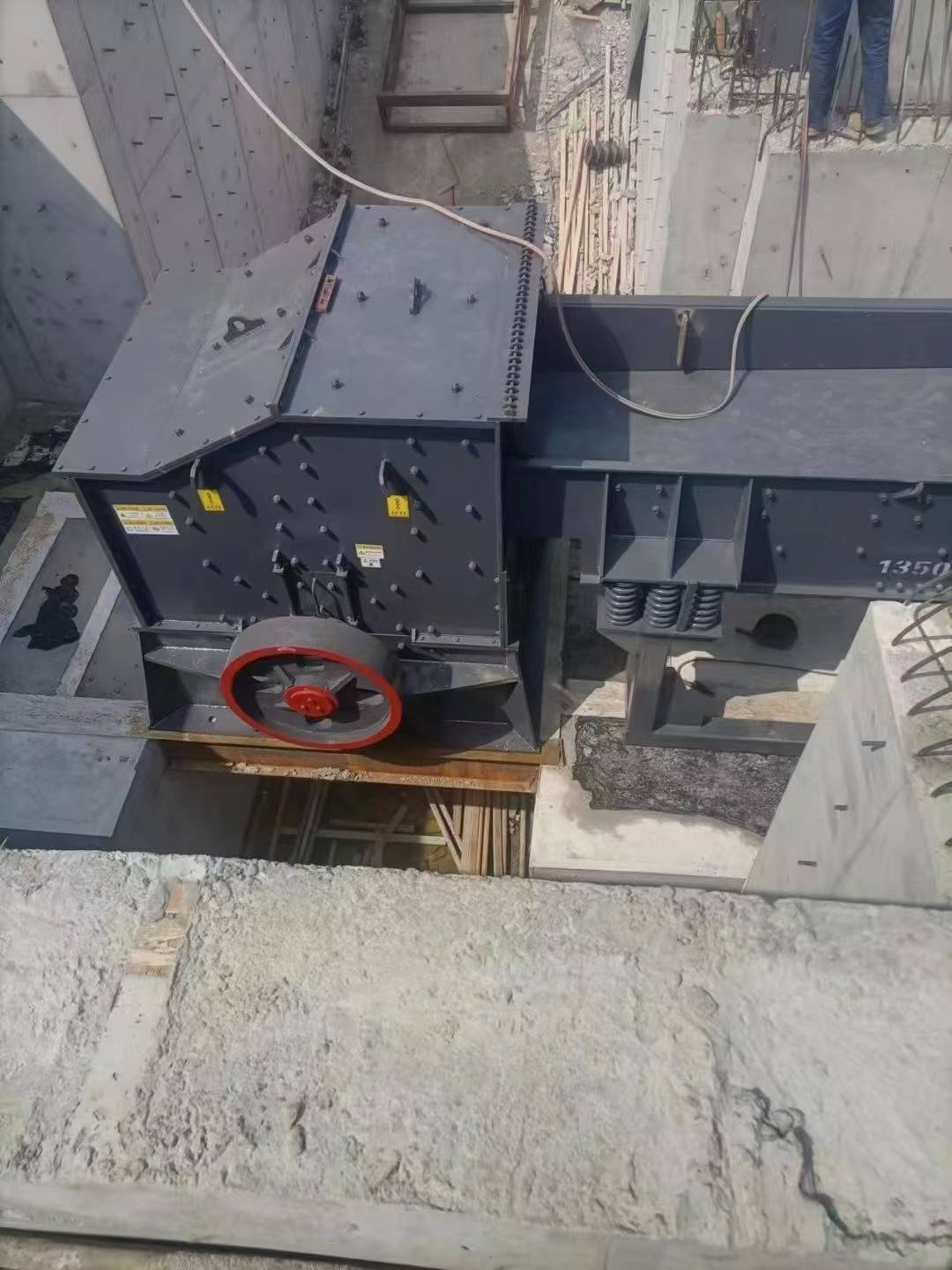
9.6 Seasonal Maintenance
Rainy Season (Rust Prevention):
Check for paint peeling, touch up as needed
Seal motor junction box to prevent water ingress
Apply anti-rust oil on anchor bolts
Winter (Freeze Protection):
Empty trough of material to prevent freezing
Use low-temperature grease (for cold regions)
Rotate manually before startup to ensure no blockage
Hot Season (Cooling):
Clean dust from motor cooling fins
Monitor bearing temperature, add fan if necessary
Avoid full-load operation during peak noon heat
9.7 Maintenance Records
Record:
Date, personnel, tasks performed
Wear part replacement (model, date, lifespan)
Faults (symptoms, cause, solution, cost)
Current operating parameters (amplitude, current, output)
Benefits:
Predict next maintenance
Analyze fault patterns (e.g., bearings fail every 3 months → lubrication issue)
Increases value for second-hand equipment resale
9.8 Maintenance vs Repair Cost Comparison
| Item | Preventive Cost | Post-Failure Repair Cost | Savings |
|---|---|---|---|
| Liner replacement | Planned, ¥10,000 | Trough worn, repair + liner ¥50,000 | 80% |
| Bearings | Regular lubrication, ¥500 | Bearings seize, shaft damaged, replace shaft + bearings ¥30,000 | 98% |
| Springs | Regular check, ¥2,000 | Spring breaks, trough tilts, equipment damage ¥100,000 | 95% |
| V-belt | Regular replacement, ¥800 | Belt breaks → downtime, production loss, urgent repair ¥20,000 | 96% |
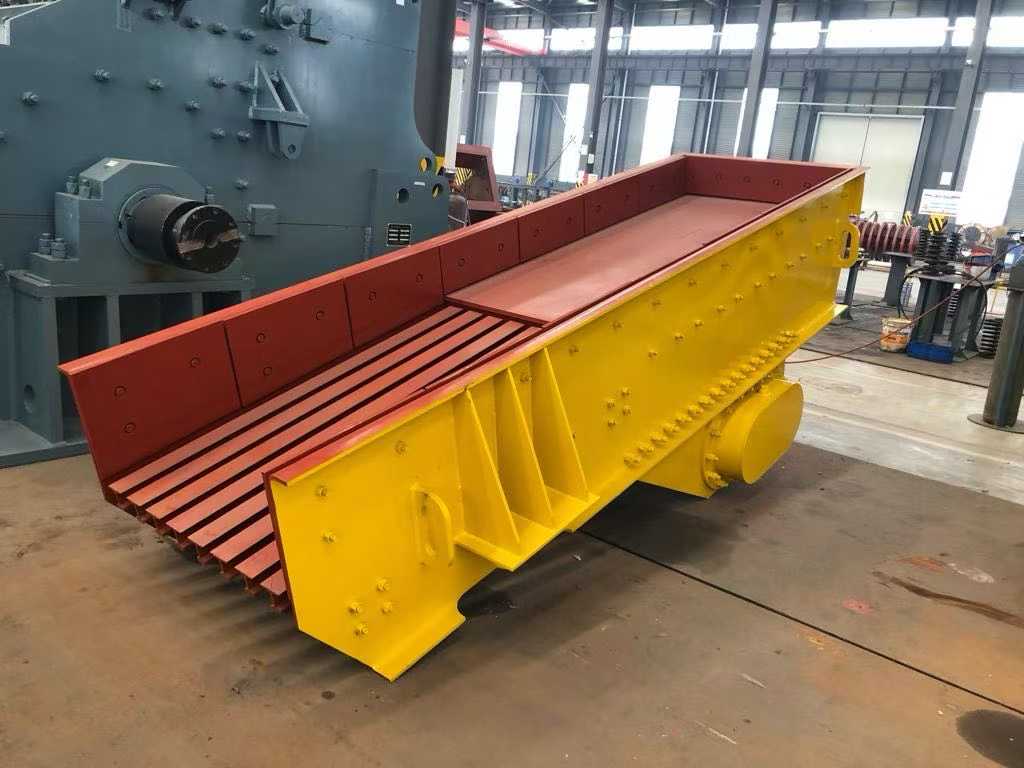
Conclusion
Next Preview:
"Quick Diagnosis of Common ZW Feeder Faults"