Choosing Reliable Aggregate Supply: A Smarter Approach to Cost and Risk
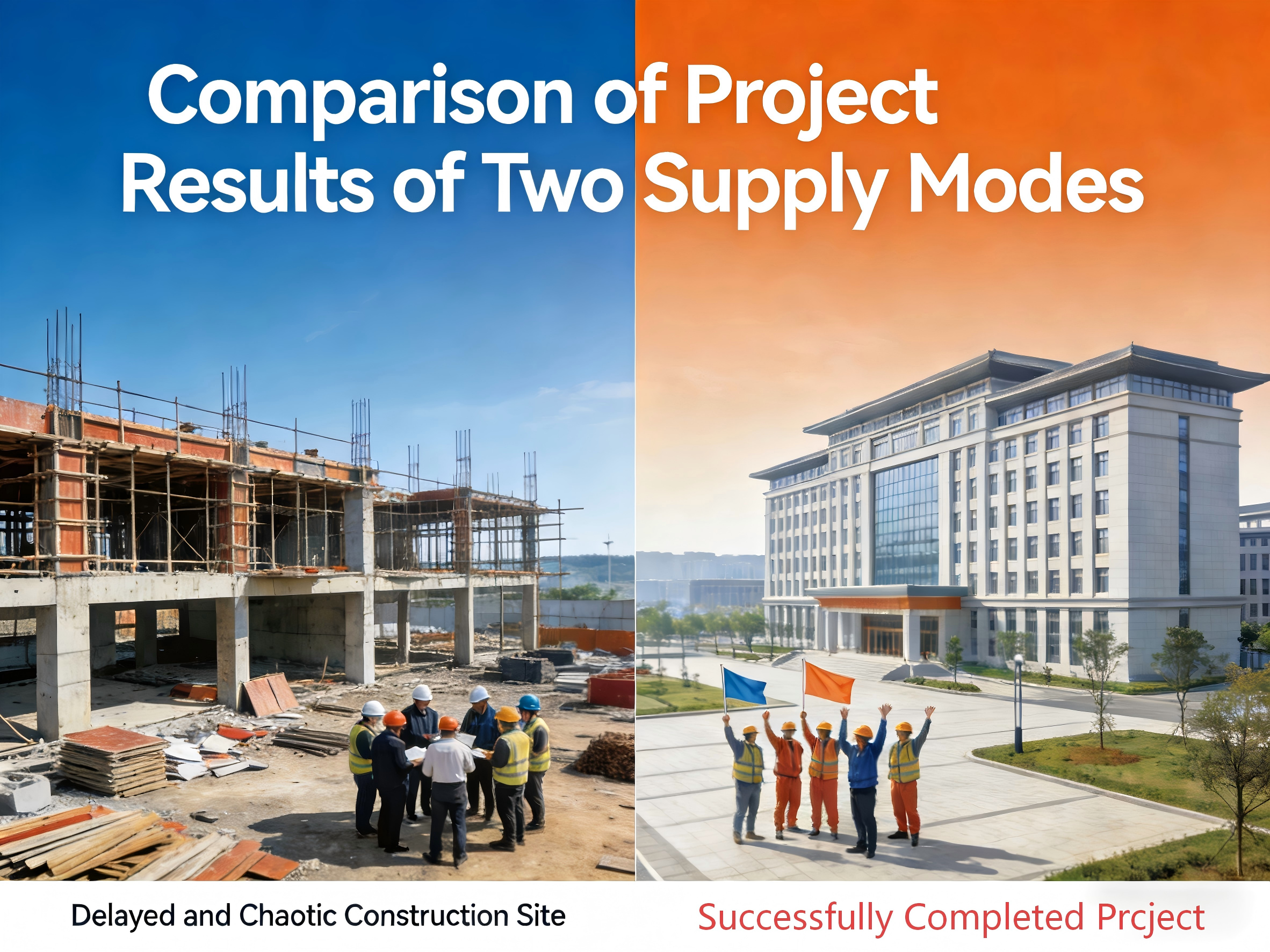
Risk-Based Supply vs Stable Supply: How Aggregate Choice Impacts Project Outcomes
In infrastructure and large-scale construction projects, aggregates are often treated as standardized commodities. As a result, procurement decisions are frequently driven by price alone. However, growing industry experience shows that the choice between low-price supply and stable supply has a direct impact on project risk, schedule certainty, and overall cost control.
Risk-Based Supply: Uncertainty Behind Low Prices
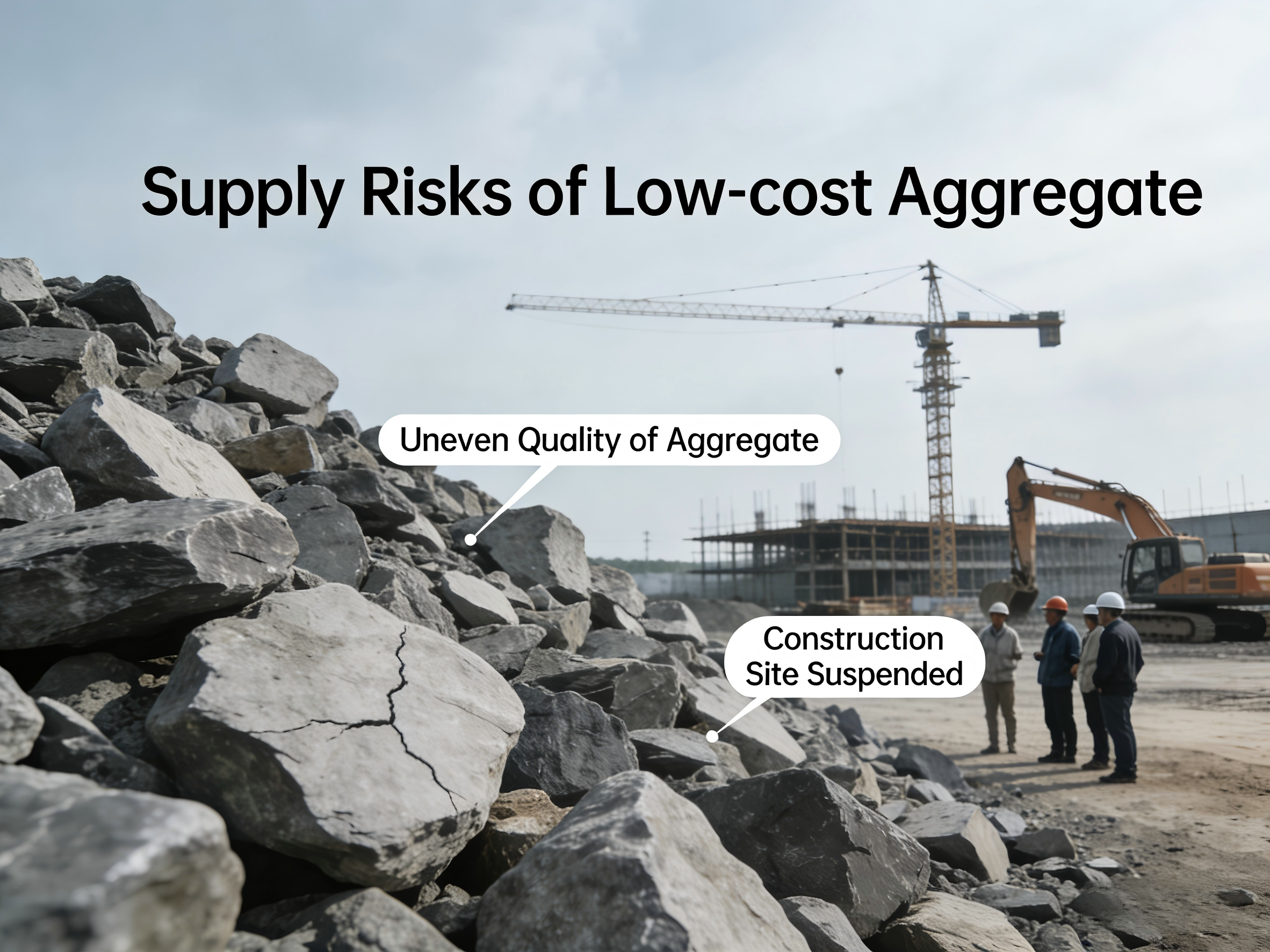
In price-driven markets, some aggregate suppliers win contracts by offering prices far below sustainable cost levels. While these offers may appear attractive at the bidding stage, they often introduce hidden risks during project execution:
Unstable raw material sources and inconsistent product quality between batches
Simplified crushing, screening, or shaping processes to reduce production costs
Higher probability of supply interruptions, delayed deliveries, or quality-related rework
True costs transferred to later stages through variations, claims, or additional charges
Although low-price supply may reduce initial procurement costs, it frequently increases uncertainty during construction, leading to higher overall project risk and management complexity.
Stable Supply: Value Built on Predictability and Control
Stable aggregate supply focuses on long-term reliability rather than short-term price advantage. Its core value lies in predictability, consistency, and risk control:
Clearly defined raw material sources with stable and verifiable quality standards
Complete and standardized processing flows that ensure consistent gradation and particle shape
Reliable production capacity capable of supporting continuous project demand
Transparent cost structures that reduce unexpected expenses and contractual disputes
This supply model supports smoother project execution, improves schedule control, and reduces the likelihood of disruptions that can affect downstream construction activities.
Why Stable Supply Matters in Infrastructure Projects
For international infrastructure projects, the true cost of aggregates is not limited to unit price. It also includes the impact on construction timelines, quality assurance, and risk exposure. Stable supply enables project owners and contractors to better manage uncertainty, protect structural integrity, and maintain predictable progress.
Rather than pursuing the lowest bid, many projects are increasingly prioritizing suppliers that can demonstrate consistent production capability, reliable quality control, and long-term delivery performance.
From Price Competition to Value-Based Selection
The shift from price-only competition toward value-based supplier selection reflects a broader industry trend. Aggregates are no longer evaluated solely on cost, but on their contribution to risk management, supply stability, and total project performance.
In this context, stable supply does not mean the highest price—it means lower overall risk, fewer disruptions, and more predictable total project costs.
Conclusion: Stability as a Competitive Advantage
For project owners and contractors, choosing stable supply is not just a procurement decision—it is a strategic approach to risk control and sustainable project delivery.