
Soil & Rock Separator (Multi-Stage Roller Screen)
High-Efficiency Anti-Clogging Separation | Wet Clay & Sticky Materials | Adjustable Shaft Spacing | 54–420 t/h
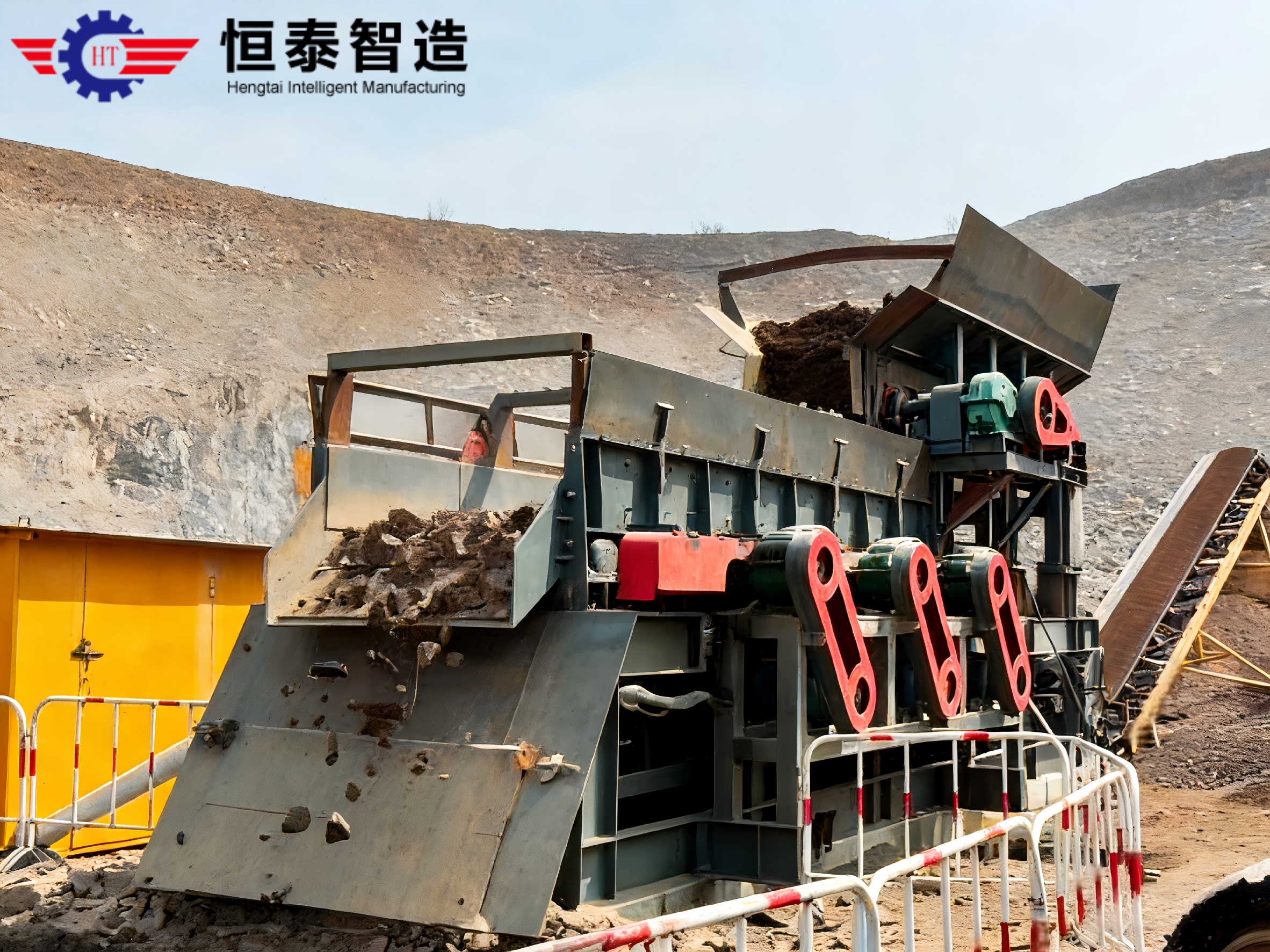
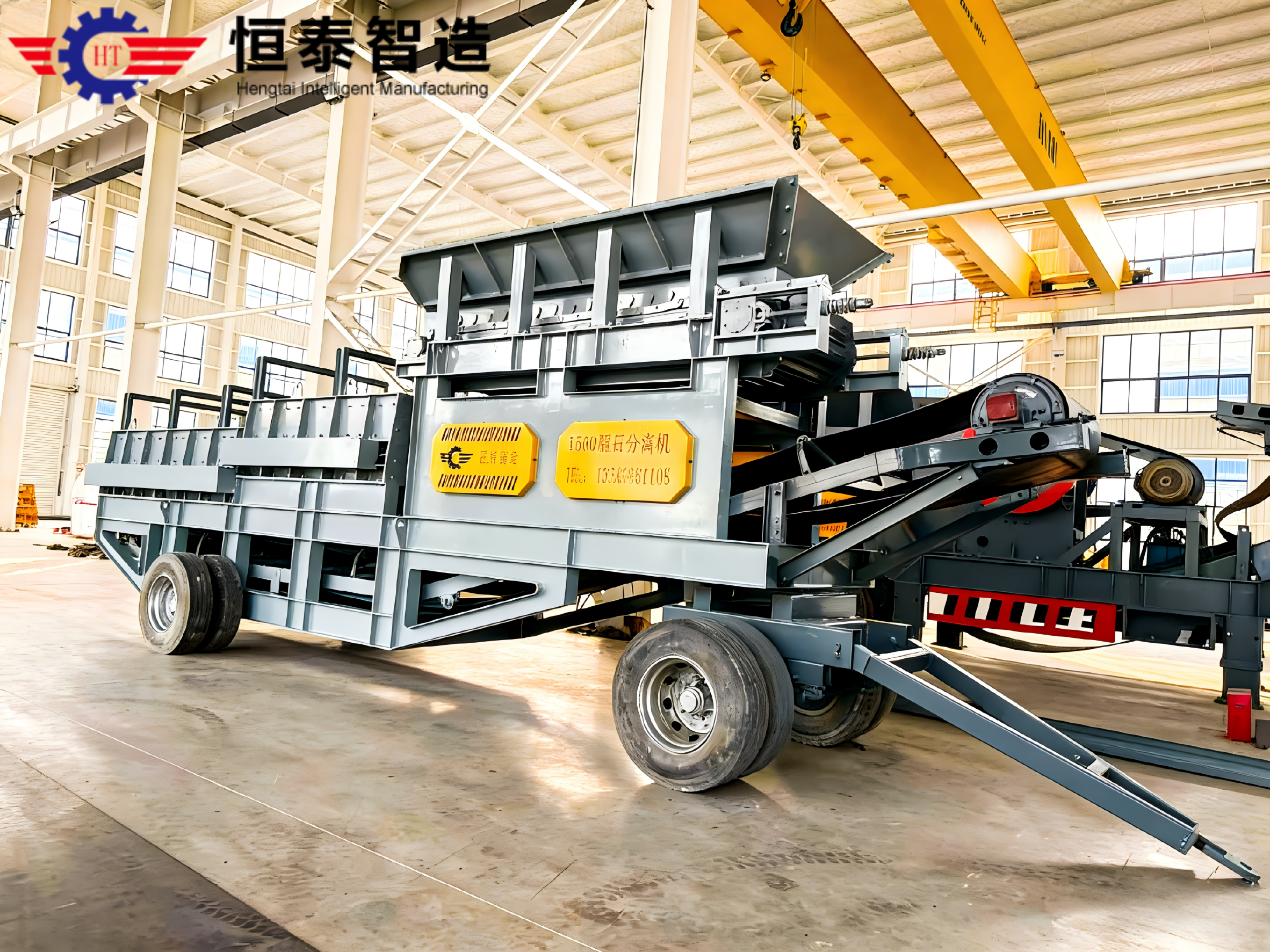
The Soil & Rock Separator, developed by Shandong Hengtai Intelligent Manufacturing Equipment Technology Co., Ltd., is a specialized multi-stage interlocking roller screening system engineered for the separation of difficult materials that conventional vibrating screens cannot effectively process. Also known as a multi-stage roller screen or mud-stone separator, this equipment is designed specifically for coarse and fine separation of wet clay, sticky soil, mud-coated stones, and complex mixed materials.
Unlike traditional vibrating screens that suffer from blockage and clogging when processing high-clay, high-moisture materials, the LD separator uses a unique rotating shaft system with specially designed screening discs that continuously lift, tumble, and transport material forward without sticking or accumulation. This fundamental design advantage makes it indispensable for modern mining, recycling, and construction waste processing operations where wet and sticky material handling is critical.
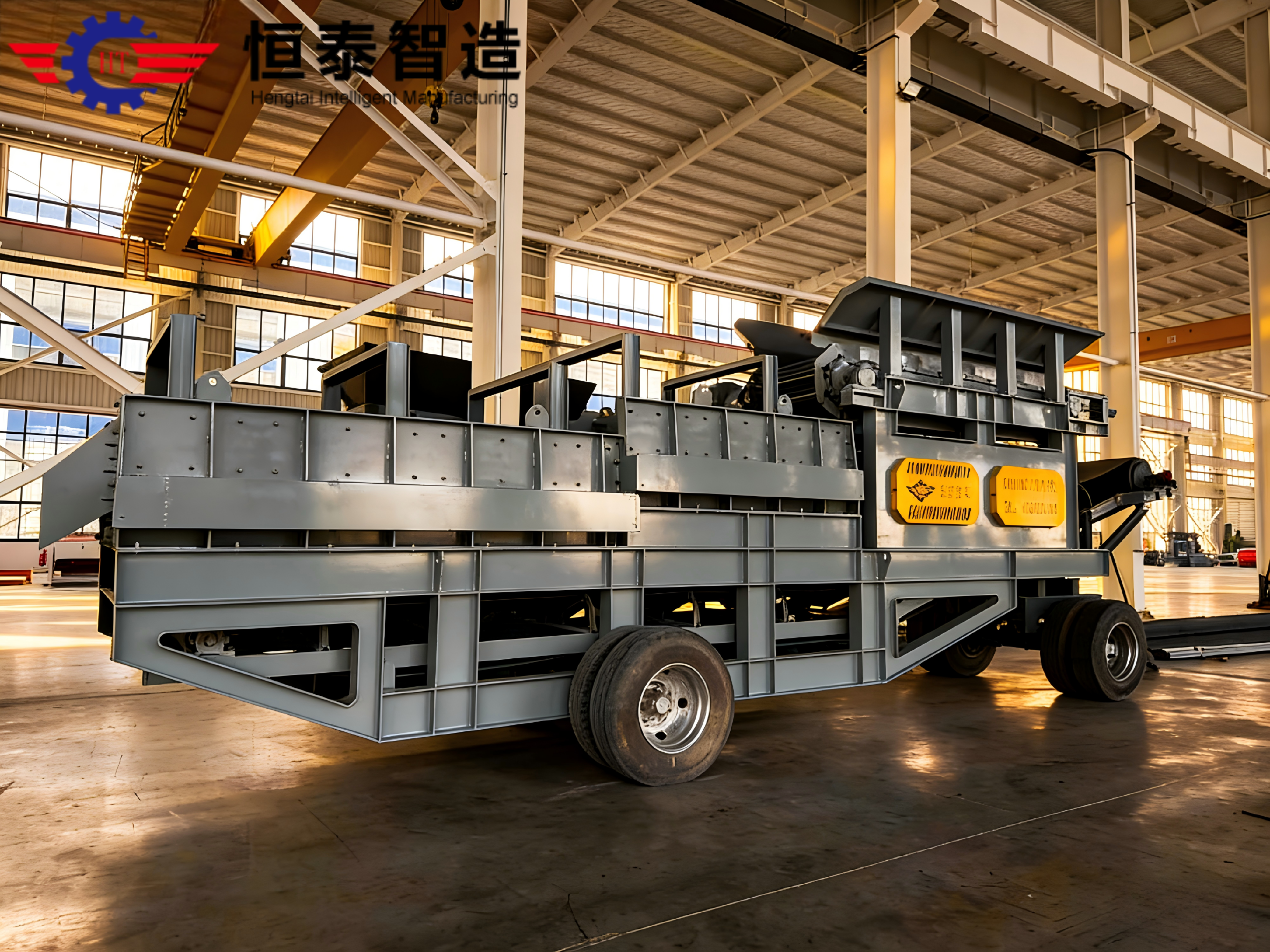
Primary Strategic Advantage: The separator's interlocking roller design prevents material blockage even in extreme conditions—wet clay with high moisture content, mud-coated stones, and demolition debris. Adjustable shaft spacing enables precise separation control to match changing feed characteristics. Modular configuration supports single-stage or multi-stage linkage for feeding, screening, separation, and conveying functions simultaneously—reducing the need for multiple equipment units and lowering total installed cost.
Product Gallery
Operational Video Demonstration
Multi-Stage Roller Separation Working Principle
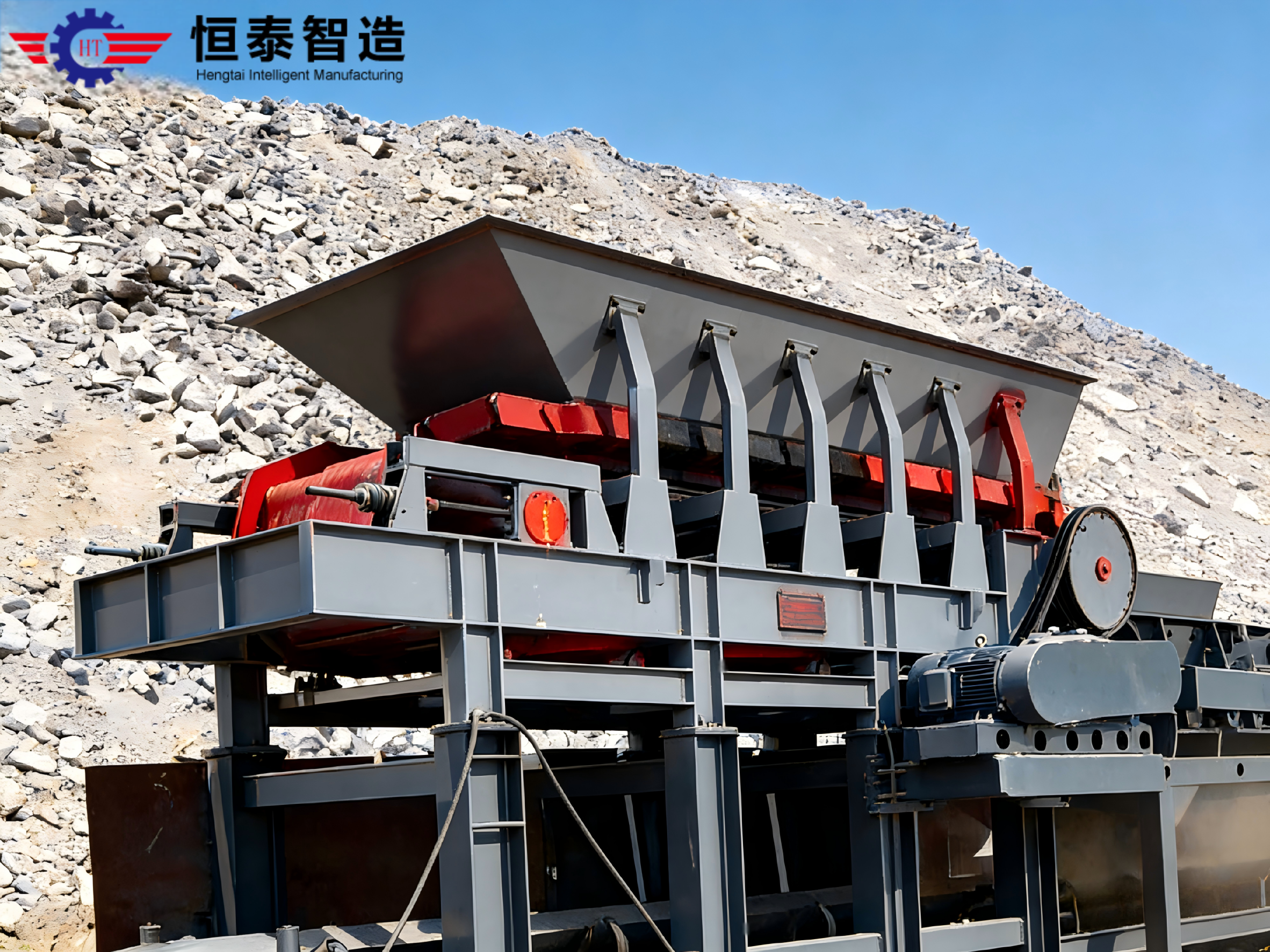
Uniform Feed Entry: Material (wet clay, stones, mixed construction waste) is fed from the top into the multi-stage rotating roller system. The feed distribution design ensures even loading across the working surface, preventing surge overload and maintaining stable separation performance.
Interlocking Roller Lifting & Tumbling: Multiple shafts rotate in synchronized sequence. Specially designed screening discs progressively lift material forward, continuously tumbling and agitating the feed mass. Large stones move toward the discharge outlet while smaller particles fall through the gaps between shaft elements. The interlocking roller motion prevents sticking, self-cleaning blockage risk throughout the separation process.
Size-Based Separation & Material Discharge: Fine material continues falling onto the bottom conveyor collection system. Coarse material exits from the discharge end. Adjustable shaft spacing directly controls separation efficiency and final product gradation, enabling rapid adjustment to match changing feed composition or desired product size without equipment reconfiguration.
Core Performance Features & Advantages
Anti-Clogging Design
Special interlocking roller structure prevents sticking and blockage even in extreme high-clay, high-moisture feed streams. Continuous self-cleaning action ensures material never accumulates or hardens on rollers or screens—enabling uninterrupted 24/7 operation without shutdown maintenance.
Handles Wet & Sticky Materials
Purpose-engineered for extreme material conditions including wet soil, mud-coated stones, clay-bonded aggregates, and high-moisture construction debris. Feed sizes up to 450 mm (standard) or 800 mm (custom). Processes materials conventional vibrating screens cannot handle.
High Capacity & Large Processing Area
Single-machine throughput ranges from 54–420 t/h depending on model selection and material characteristics. Large screening area enables high volumetric processing rates suitable for large-scale mining, recycling, and construction waste sorting plants.
Multi-Function Equipment
Single unit performs feeding, screening, separation, and conveying simultaneously. Reduces equipment count in production lines, lowers capital investment, and simplifies process integration—especially valuable in space-constrained quarries and recycling facilities.
Durable & Wear-Resistant
High-manganese steel roller discs and wear-resistant internal liners withstand extreme abrasion from sandy clay, construction debris, and mixed stone materials. Reinforced shaft protection system extends component life, reducing maintenance frequency and total cost of ownership.
Fully Customizable Design
Multi-stage or single-stage roller linkage, adjustable shaft spacing for separation control, variable-speed operation via frequency inverter, and structure customization based on specific material conditions. Retrofit integration into existing production lines is straightforward.
Technical Specifications & Models
| Model | Width (dm) | Length (dm) | Shaft# | Motors | Power (kW) | Screen Area (m²) | Capacity (t/h) |
|---|---|---|---|---|---|---|---|
| 0806 | 8 | 18 | 6 | 1 | 11 | 1.44 | 54 – 144 |
| 0807 | 8 | 21 | 7 | 1 | 15 | 1.68 | 63 – 168 |
| 0808 | 8 | 24 | 8 | 1 | 15 | 1.92 | 72 – 192 |
| 0809 | 8 | 27 | 9 | 1 | 18.5 | 2.16 | 81 – 216 |
| 0810 | 8 | 30 | 10 | 1 | 18.5 | 2.40 | 90 – 240 |
| 1006 | 10 | 18 | 6 | 2 | 15 × 2 | 1.80 | 68 – 180 |
| 1007 | 10 | 21 | 7 | 2 | 15 × 2 | 2.10 | 78 – 210 |
| 1008 | 10 | 24 | 8 | 2 | 18.5 × 2 | 2.40 | 90 – 240 |
| 1009 | 10 | 27 | 9 | 2 | 22 × 2 | 2.70 | 101 – 270 |
| 1010 | 10 | 30 | 10 | 2 | 22 × 2 | 3.00 | 112 – 300 |
| 1012 | 10 | 36 | 12 | 2 | 22 × 2 | 3.60 | 135 – 360 |
| 1014 | 10 | 42 | 14 | 2 | 22 × 2 | 4.20 | 158 – 420 |
* Actual capacity depends on material type, moisture content, and clay percentage. Standard feed size: up to 450 mm. Customized configurations available for feed sizes up to 800 mm.
Frequently Asked Questions
It can process wet clay, sticky soil, stones, coal gangue, construction waste, brick debris, and mixed aggregates with high moisture and high clay content—materials that conventional vibrating screens cannot effectively handle.
Yes, the separator is specifically engineered for extreme wet and sticky material conditions. The interlocking roller design prevents clogging and blockage even in high-clay, high-viscosity feed streams.
Standard models handle feed sizes up to 450 mm. Custom-engineered configurations can accept sizes up to 800 mm depending on specific material characteristics and application requirements.
No. The interlocking roller design ensures continuous self-cleaning and anti-blocking performance. Material is continuously lifted, tumbled, and transported without sticking or blockage accumulation.
Yes. Shaft spacing, number of stages, motor configuration, and overall structure can be fully customized based on material properties, capacity requirements, and site operating conditions.
Complete Processing Line Configuration
Build high-efficiency separation and processing lines by integrating the LD separator with complementary equipment:
Typical Process Lines:
Quarry Overburden Stripping: Feeder → LD Separator → Stone to Crusher, Clay to Disposal
Construction Demolition Recycling: Feeder → LD Separator → Coarse to Secondary Crusher, Fines to Stockpile
Coal Processing: Raw Coal → LD Separator → Clean Coal, Gangue Separation
Get Professional Technical Specifications & Factory Price Quote
Our engineers will recommend the ideal LD model and complete separation line configuration based on your material composition, feed size, capacity requirements, and site constraints.