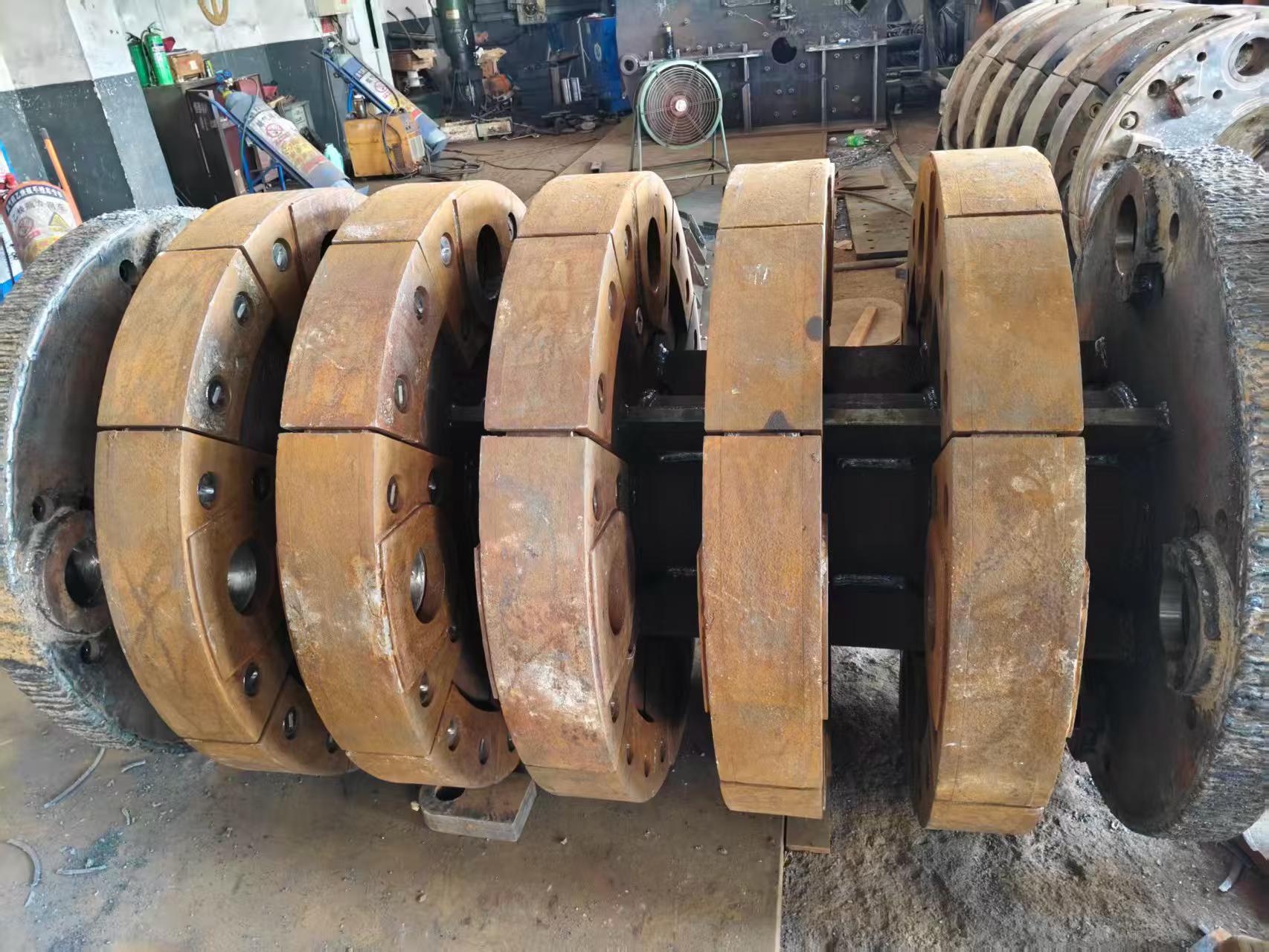
Rotor Imbalance in Hammer Crushers: Root Cause Analysis of Vibration and Bearing Failure
Rotor Imbalance in Hammer Crushers: Root Cause Analysis of Vibration and Bearing Failure
Hammer crushers play a critical role in aggregate production, mining operations, and construction waste recycling lines. However, rotor imbalance is one of the most common root causes of excessive vibration, premature bearing failure, and even cascading mechanical breakdowns.
When your hammer crusher exhibits abnormal vibration, periodic noise, or excessive bearing temperature rise, there is a high probability that the rotor dynamic balance has been compromised. This article systematically outlines the five major causes of rotor imbalance and provides practical troubleshooting and maintenance solutions to help operators quickly identify problems and minimize unplanned downtime.
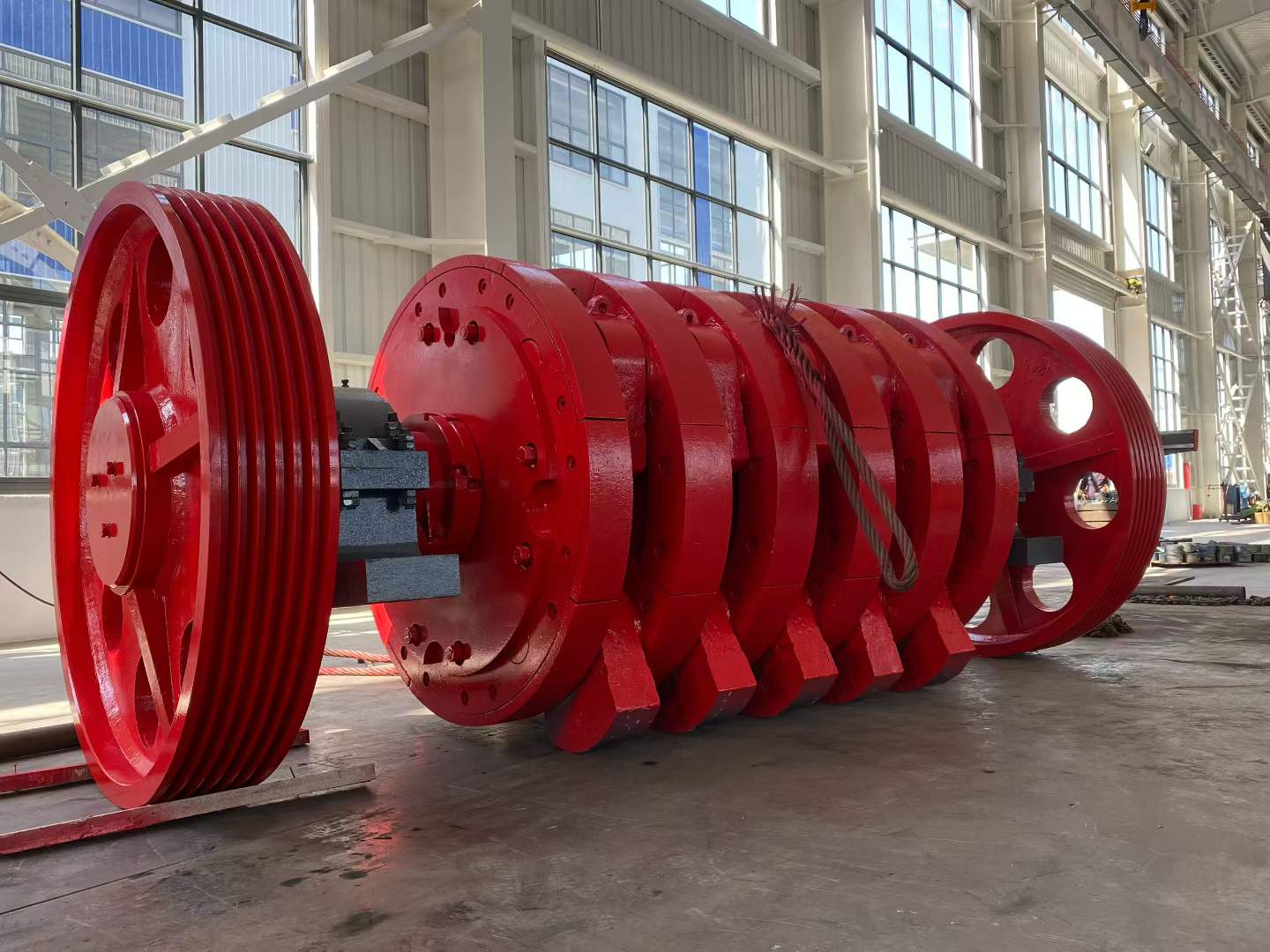
1. Hammer Issues: The Primary Cause of Rotor Imbalance
1.1 Uneven Hammer Wear
This is the most common cause of imbalance in real-world operations. Due to variations in material hardness, feed distribution, and hammer heat treatment, wear rates often differ. When the wear of individual hammers exceeds one-third of their total weight, significant mass eccentricity occurs, resulting in strong centrifugal imbalance and severe vibration.
1.2 Improper Replacement and Installation
When replacing hammers, failure to weigh and match them symmetrically can easily disrupt the original balance. During hammer flipping or rotation operations, all hammers must be replaced or rotated simultaneously. Replacing only individual hammers will create new mass asymmetry.
1.3 Hammer Breakage or Jamming
During crushing, tramp iron or excessively hard materials may cause hammer breakage, resulting in sudden mass loss. Sticky materials may also cause certain hammers to jam, preventing them from swinging freely, which disrupts dynamic balance. Regular inspection should focus on hammer integrity and mobility.
1.4 Excessive Weight Difference at Symmetrical Positions
Even if individual hammers are intact, excessive weight differences between symmetrical positions can lead to strong vibration. Typically, the allowable deviation should be within 0.5–1 kg, depending on manufacturer specifications. It is recommended to use precision scales and strictly follow balancing procedures.
2. Rotor Component Issues: Structural Causes of Imbalance
2.1 Main Shaft Bending
Long-term overload operation, frequent metal intrusion, or loose foundations can cause plastic deformation of the main shaft. As the rotational axis of the rotor, any bending will result in periodic vibration and uneven bearing loads—this is a fundamental structural cause of imbalance.
2.2 Hammer Disc Damage
Cracks, uneven wear, or casting defects in hammer discs can alter the overall mass distribution of the rotor. Additionally, excessive clearance between the hammer and the disc may allow hammer displacement during rotation, further aggravating dynamic imbalance.
2.3 Pin Shaft Deformation or Breakage
Pin shafts connect hammers to the discs. If they bend or break due to fatigue, hammers may shift or detach. The resulting mass loss or displacement can instantly destroy rotor balance. Regular inspection of pin straightness and wear is essential.
2.4 Excessive Bearing Wear
When bearing clearance becomes too large or raceways are damaged, rotor support accuracy decreases. This leads to shaft center drift and low-frequency oscillation rather than high-frequency vibration. In such cases, simply rebalancing the rotor will not solve the issue—bearing replacement is necessary.
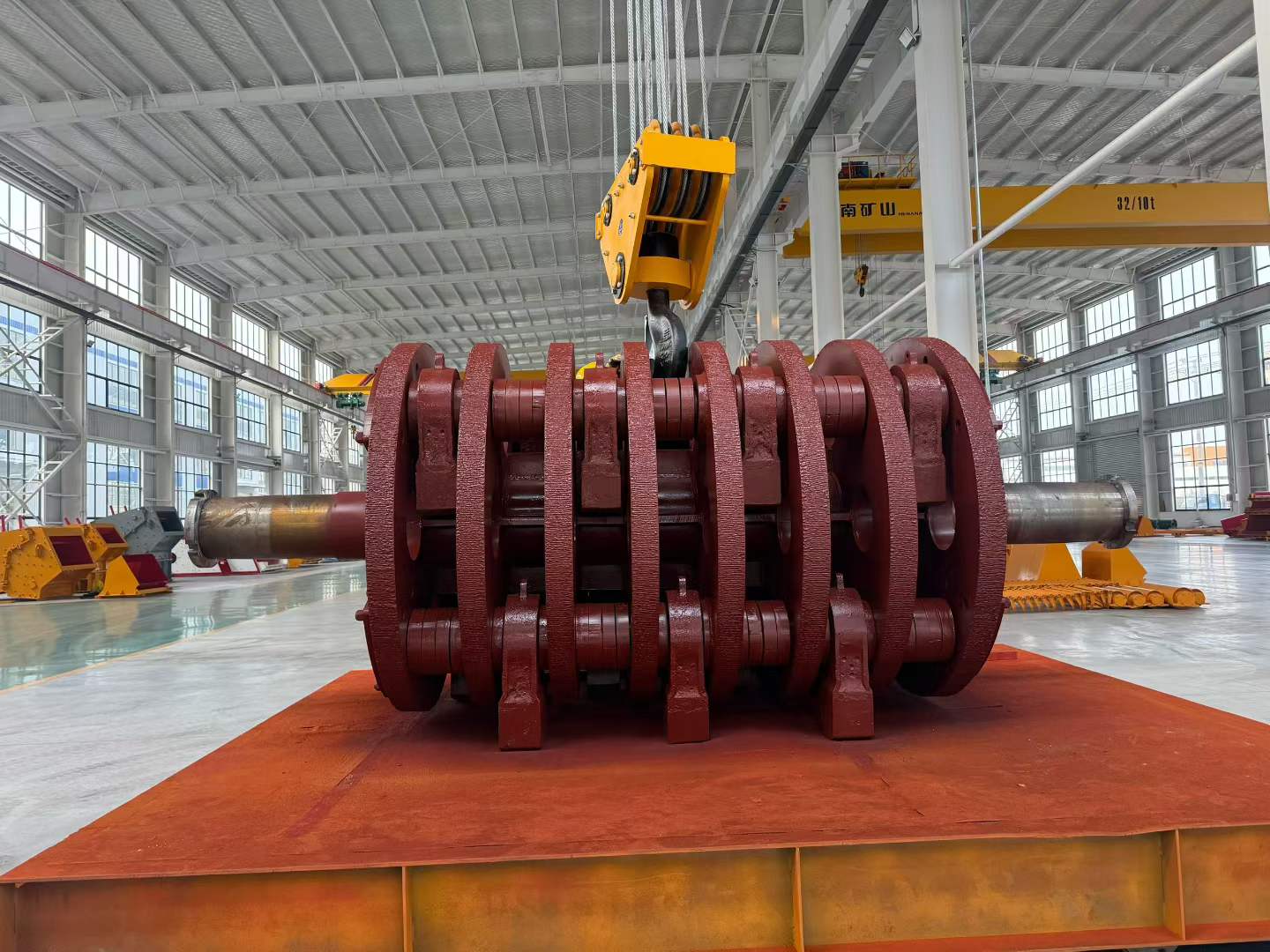
3. Assembly and Installation Defects: Hidden Initial Imbalance
3.1 Insufficient Manufacturing and Assembly Accuracy
After maintenance, some rotors are not properly dynamically balanced (ISO G6.3 or higher). Additionally, components themselves may have inherent mass eccentricity due to manufacturing defects. This means the machine starts operation with built-in imbalance.
3.2 Material Build-Up and Contamination
When crushing sticky materials such as wet limestone or clay, material can adhere to hammers, discs, or protective liners. This creates uneven mass distribution. This type of imbalance is time-dependent and often improves significantly after cleaning.
4. Foundation and Fastening Issues: Overlooked Vibration Amplifiers
4.1 Loose Anchor Bolts
Over time, vibration or improper installation torque can loosen anchor bolts. This reduces machine stability and amplifies even minor rotor imbalance into severe overall vibration.
4.2 Damper Failure or Foundation Settlement
Aging vibration dampers, cracked concrete foundations, or ground settlement can alter the installation alignment. This introduces additional stress on the rotor system and results in abnormal vibration.
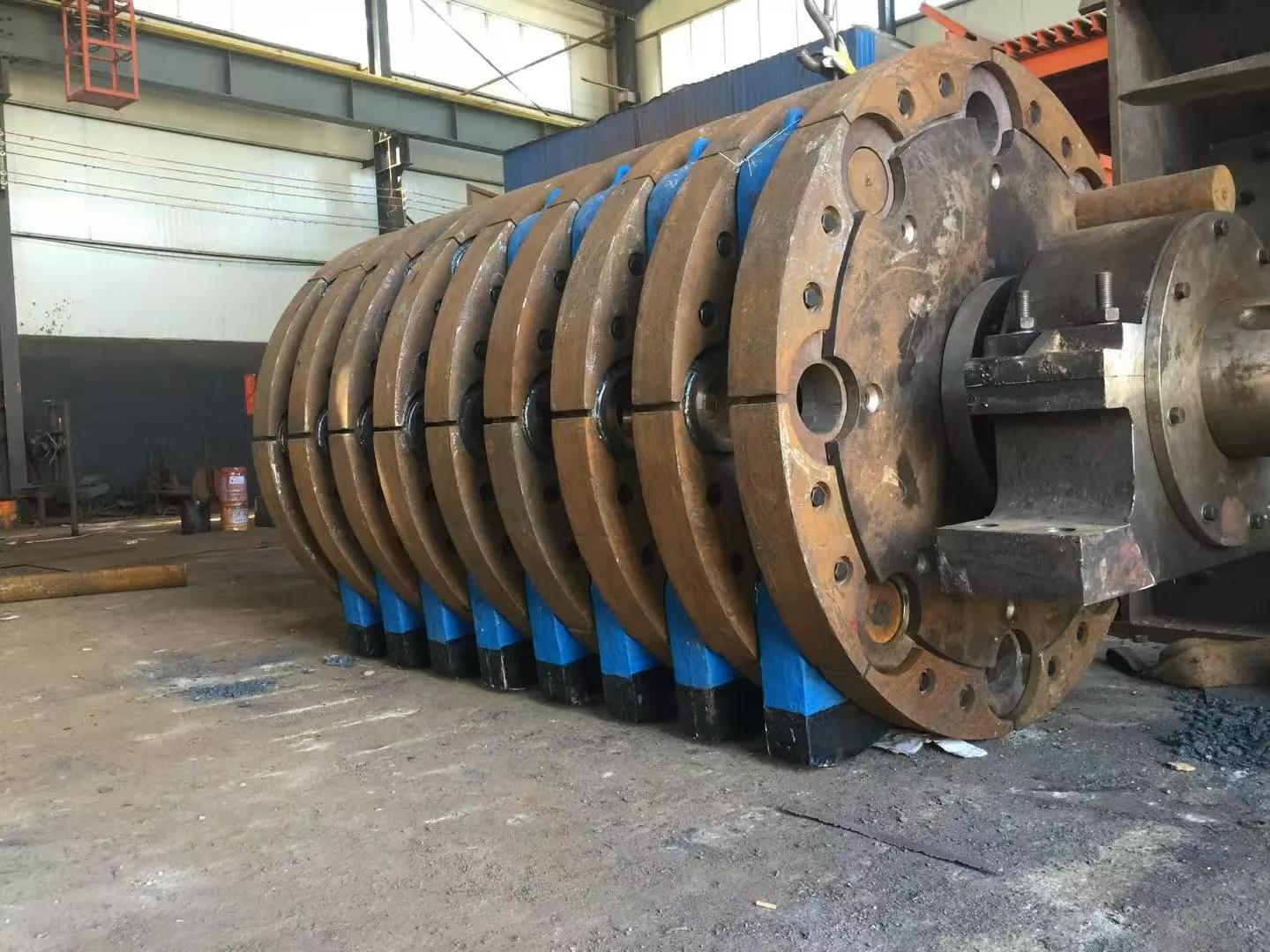
5. Troubleshooting and Solution Workflow
When the following symptoms occur, it is recommended to stop the machine immediately and follow a systematic inspection process:
| Symptom | Priority Check | Inspection Method |
|---|---|---|
| Periodic severe vibration | Hammer wear/breakage, shaft bending | Check hammer weights; measure shaft runout |
| Sudden increase in vibration | Hammer/pin breakage, blockage | Visual inspection; remove obstructions |
| Bearing overheating + vibration | Bearing damage, poor installation | Temperature check; inspect bearing clearance |
| Vibration changes with load | Material build-up, uneven feeding | Clean rotor; adjust feeder |
Standard Maintenance Recommendations
Establish hammer records: Track installation date, weight, and wear condition; implement symmetrical replacement strategies
Regular dynamic balancing: Perform balancing checks every 6 months or after major maintenance
Fastener inspection: Check anchor bolts and bearing housing bolts weekly and tighten to specified torque
Control feed distribution: Ensure even material feeding to avoid uneven wear and localized impact
FAQ
Q1: Is excessive vibration always caused by rotor imbalance?
Not necessarily. Other factors such as uneven feeding, motor misalignment, pulley imbalance, or loose foundations should also be checked. However, rotor imbalance is the most common cause and typically produces vibration at rotational frequency.
Q2: What dynamic balancing standard should be achieved?
For most industrial hammer crushers, ISO 1940 G6.3 or higher is recommended. High-speed fine crushers may require G2.5.
Q3: When should hammers be replaced?
When the working end is worn down to 1/3–1/2 of its original size, or when weight differences exceed allowable limits.
Q4: Why does vibration increase after installing new hammers?
Most likely due to improper weight matching or incorrect installation positions. New hammers must be grouped by weight and installed symmetrically.
Conclusion
Rotor imbalance in hammer crushers can develop gradually or occur suddenly. From minor hammer wear to severe shaft deformation, vibration signals will progressively worsen. Establishing a preventive maintenance system and conducting regular dynamic balancing checks are the most effective ways to avoid costly bearing replacements and unexpected downtime.
If you are experiencing abnormal vibration issues or require professional rotor balancing services, it is recommended to contact the original equipment manufacturer or a qualified mechanical service provider for a comprehensive diagnosis.