
Mobile Impact Crusher Plant (Wheeled Crushing Station)
Production Capacity: 40-280 t/h | Max Feeding Size: ≤500mm | Target Applications: Construction Waste Recycling, Concrete/Asphalt Recycling, Medium-Hard Rock Quarrying.
The wheeled mobile impact crushing plant is the "agile pioneer" in mobile crushing field, seamlessly integrating a vibrating feeder, impact crusher, vibrating screen, and belt conveyors into a single, high-mobility chassis. Engineered for modern quarrying and recycling industries, it breaks the spatial constraints of traditional fixed crushing lines, delivering turnkey, high-capacity processing directly at your project site.
Since its debut, this portable plant has become the premier choice for **construction waste recycling**, decentralized mining, and temporary infrastructure projects due to its superior mobility, rapid setup, and wide adaptability. Whether crushing medium-hard rocks or reprocessing construction demolition waste (CDW), it consistently lowers hauling expenses, eliminates heavy foundation costs, and maximizes ROI.
Product Gallery
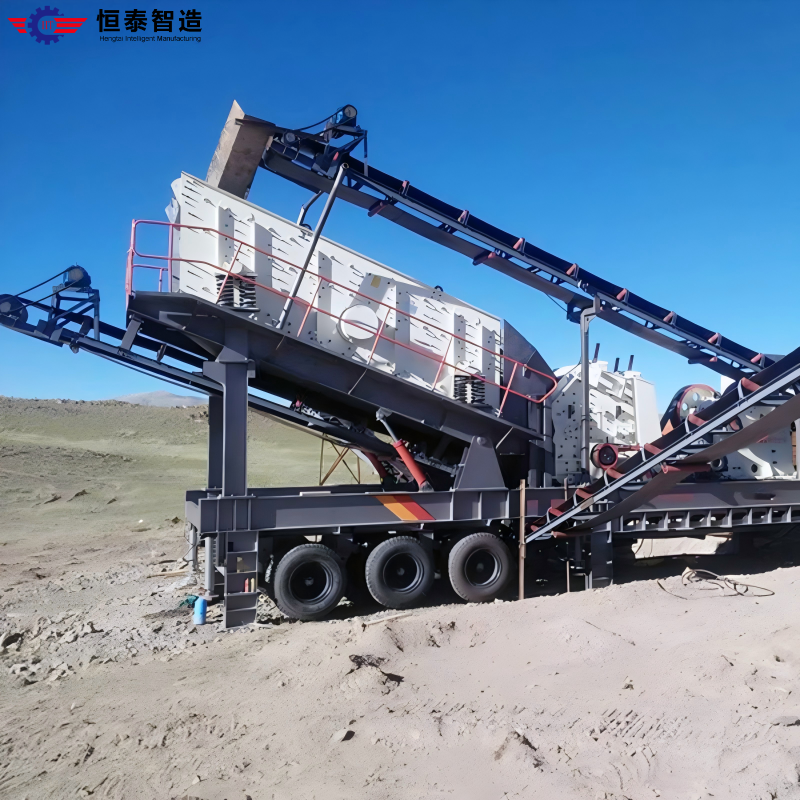
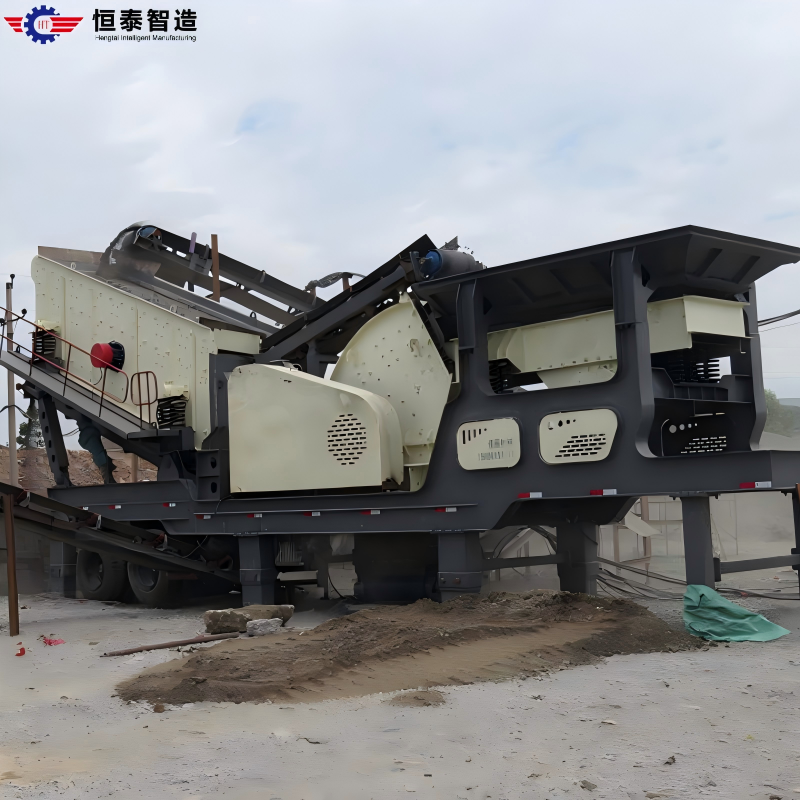
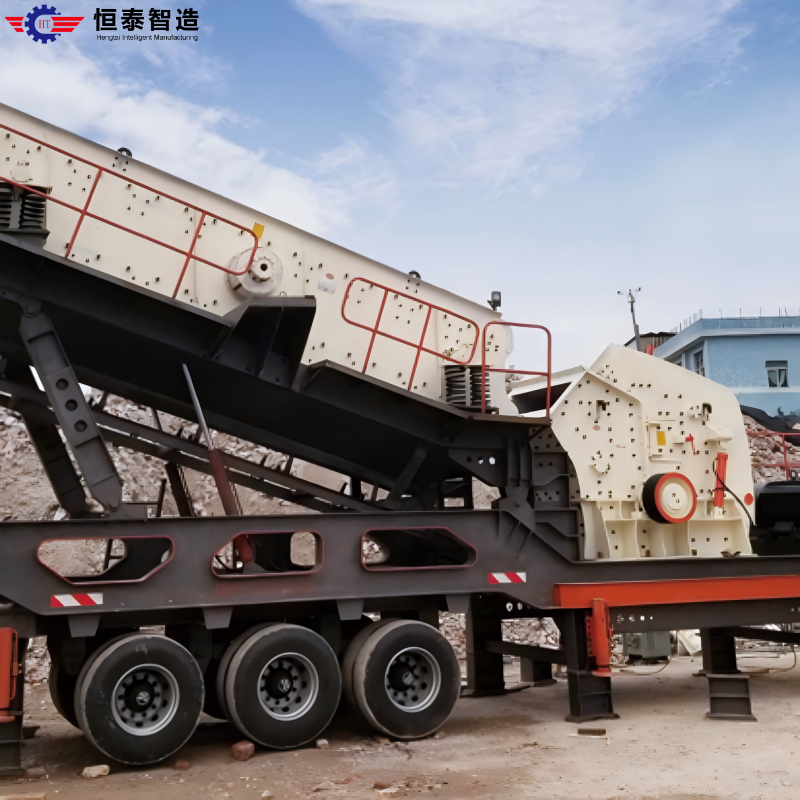
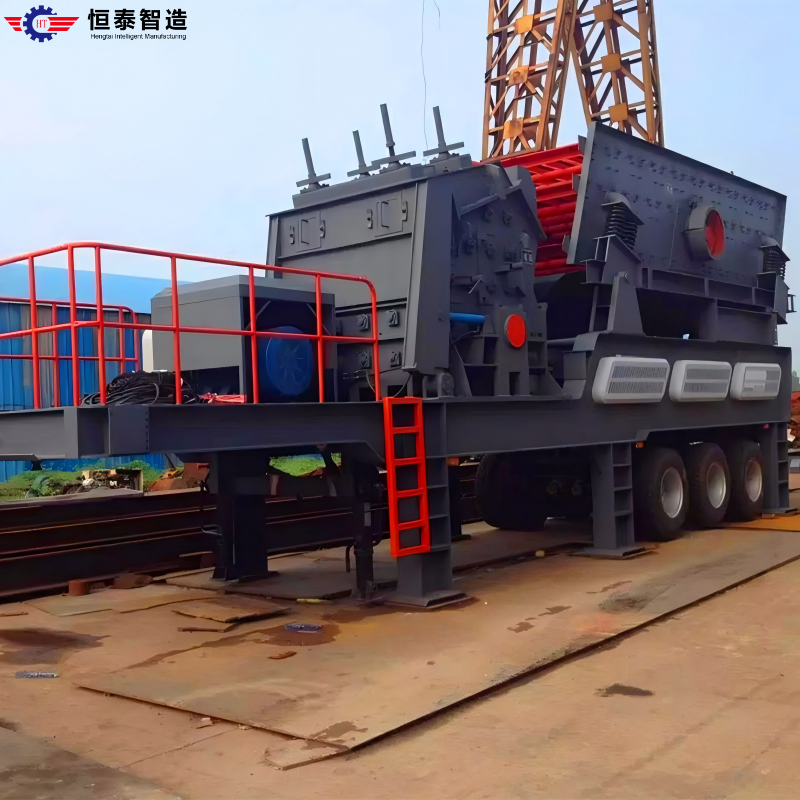
Operational Video Demonstration
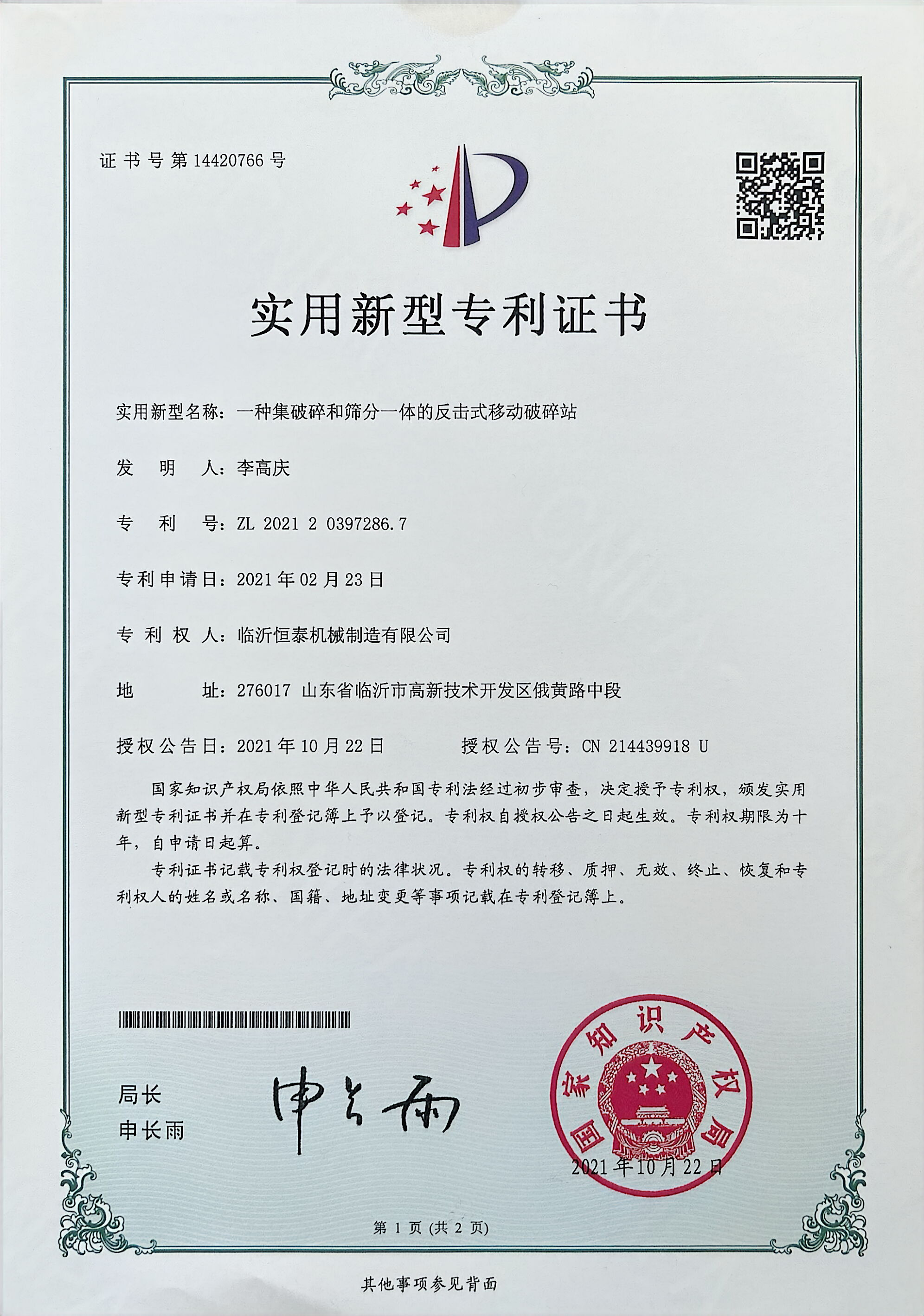
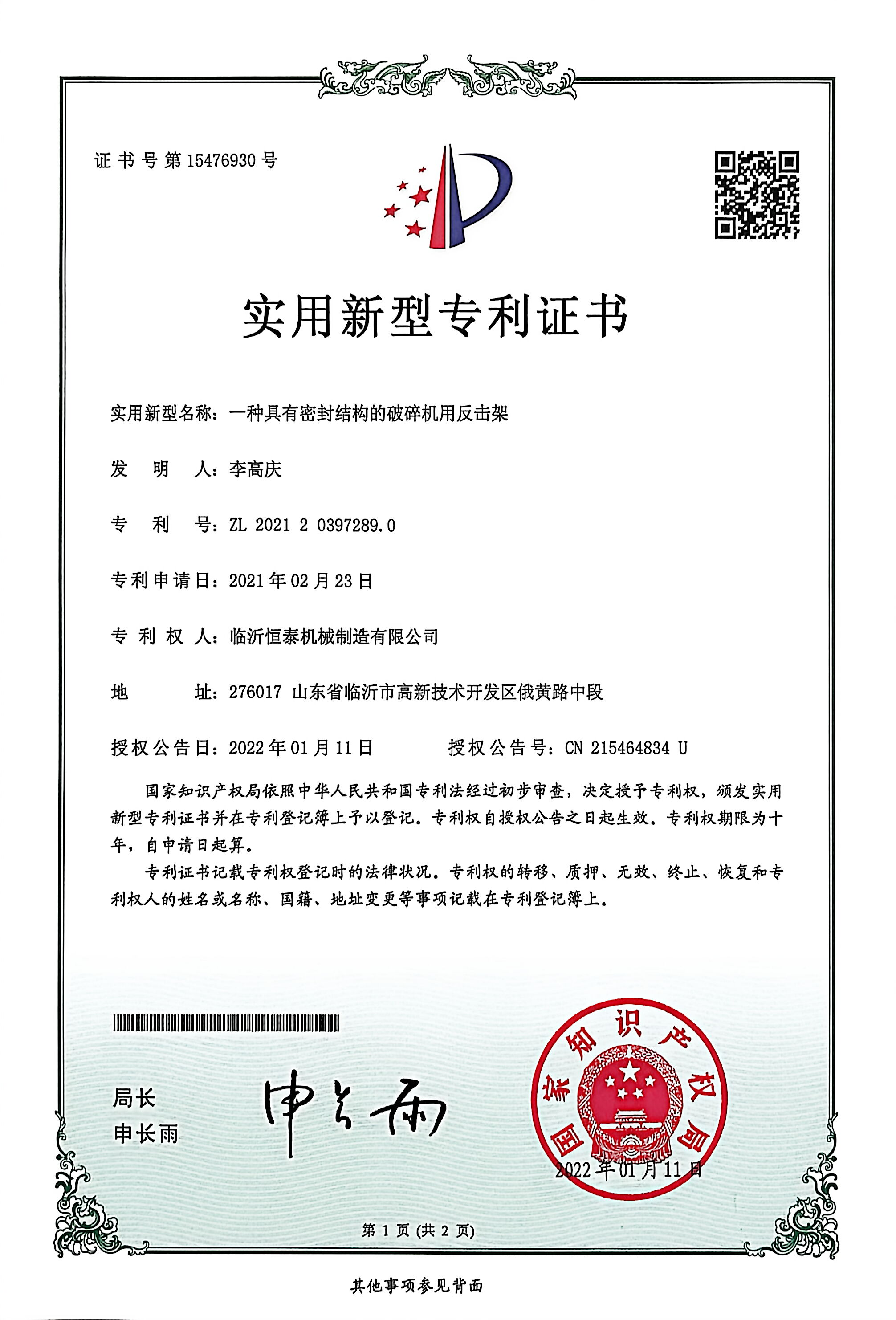
Proprietary Intellectual Patents
Our machinery is backed by advanced industrial technology and officially registered manufacturing patents:
Working Principle & Key Technical System Advantages
Unmatched Mobility & Swift Commissioning: Built on a heavy-duty wheeled chassis engineered with a standard towing hitch, the entire plant can be towed directly by a prime mover without requiring complex crane lifts or heavy-duty transport logistics. The highly integrated configuration means the feeder and screen modules are pre-aligned, reducing relocation time to mere hours.
Superior Cubical Particle Shape: Utilizing a heavy-duty impact crushing chamber, materials entering the cavity are subjected to high-velocity impacts from the blow bars and repeated rebounds against the impact aprons. This triggers intense rock-on-rock collision, effectively minimizing flaky and elongated particles to produce outstanding cubical aggregate sizing.
Smart System Integration & One-Man Operation: The plant synchronizes a heavy-duty feeder, an impactor, a multi-deck vibrating screen, and onboard discharge conveyors. Controlled via an intelligent automated PLC panel, operators can monitor real-time load distribution, output grading, and system diagnostics with one-touch start/stop functionality.
Broad Adaptability & Low Operating Costs: The spacious feed opening comfortably handles large feed sizes without bridging. Critical wear parts—such as the blow bars and impact liners—are forged from premium, wear-resistant high-chrome alloys. It safely processes sticky materials with moisture content up to 15% without clogging, reducing comprehensive O&M costs by 20%.
Closed-Circuit Sorting & Automation: Material flow is continuous. Raw rocks or waste demolition materials enter through the feeding hopper. The onboard high-frequency vibrating screen splits finished products into clean fractions, while the return conveyor instantly routes oversized material back into the recirculation loop to secure a 100% sorting compliance rate.
Technical Specifications
Please crosscheck your plant layout requirements against our heavy industrial standard specifications below:
| Chassis Model | Crusher Model | Feed Opening (mm) | Max Feed Size (mm) | Power (kW) | Crusher Capacity (t/h) | Vibrating Screen | Screen Power (kW) | Screen Capacity (t/h) | Belt Conveyor | Total Plant Output (t/h) | Overall Dimensions (mm) |
|---|---|---|---|---|---|---|---|---|---|---|---|
| YDPF1210-1548 | PF1210 | 450×1150 | ≤400 | 90 | 70-130 | 3YK1548 | 18.5 | 30-275 | B650 | 40-100 | 12500×2350×5600 |
| YDFW1214-1860 | PFW1214 | 480×1500 | ≤430 | 132 | 100-180 | 3YK1860 | 22 | 65-586 | B800 | 80-150 | 14500×2890×6600 |
| YDFW1315-2160 | PFW1315 | 860×1520 | ≤500 | 200 | 130-220 | 3YK2160 | 30 | 81-720 | B1000 | 130-250 | 15500×2960×6850 |
| YDFW1320-2460 | PFW1320 | 900×2000 | ≤500 | 250 | 160-350 | 3YK2460 | 30 | 100-810 | B1000 | 200-280 | 14500×2980×7170 |
* Note: Production capacities vary based on material hardness, feed sizing distribution, humidity levels, and layout setups. Dimensions and specs are subject to change without prior notice due to technical product iterations.
Frequently Asked Questions
Output sizing is adjusted by modifying the clearance gaps between the impact aprons and the rotor's blow bars. Turn the mechanical adjustment rod (or activate the hydraulic shim adjustment system) to push the impact plates closer to or further from the rotor. Reducing the gap yields finer materials, while widening the gap results in a coarser output gradation.
This is highly likely due to uncrushable tramp metals (such as rebar fragments or steel teeth) entering the crushing cavity, or a loose/severely worn blow bar shifting positions. You should immediately shut down the plant, lock out power, inspect the chamber, remove any foreign contaminants, and inspect or secure the blow bars and liners.
The primary high-wear components are the rotor blow bars, impact plates, and inner side-liner plates. Their operational lifespan depends heavily on the abrasiveness of the target material (e.g., highly abrasive granite induces faster wear than softer limestone), daily tonnages, and working hours. Typically, high-chrome components last between 300 to 1,000 operational hours. Routine checks are vital.
The jobsite ground profile must be flat, stable, and highly consolidated with a minimum soil bearing capacity of ≥ 150 kPa to handle the massive static weight and dynamic operational forces. The transport path must accommodate the machine's maximum overhead clearance and width profile. Additionally, maintain an open workspace zone of at least 2 meters around the framework for safe access and daily maintenance.
Matched Equipment for Complete Production Line
To build a fully automated mine fleet and expand your processing efficiency, our technical team highly recommends integrating the following machinery options:
Get Professional Technical Catalog & Factory Price Quote
Our engineers customize solutions tailored specifically to your project requirements, target capacity, and local conditions.