
Mobile Cone Crusher Plant (Wheeled Hydraulic Station)
Production Capacity: 80-630 t/h | Max Feeding Size: ≤295mm | Target Materials: Granite, Basalt, River Pebbles, Quartz, and Heavy Hard Rocks.
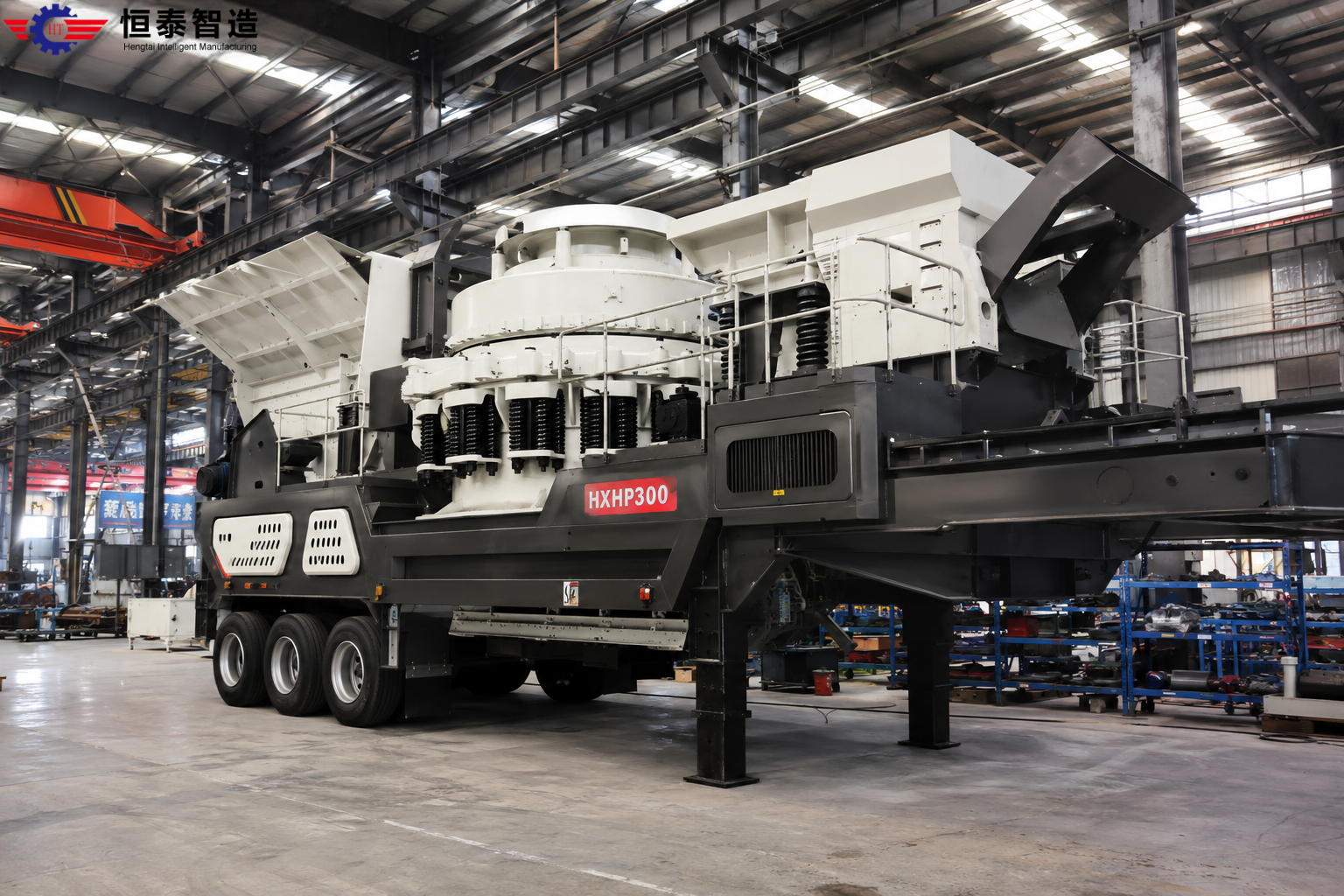
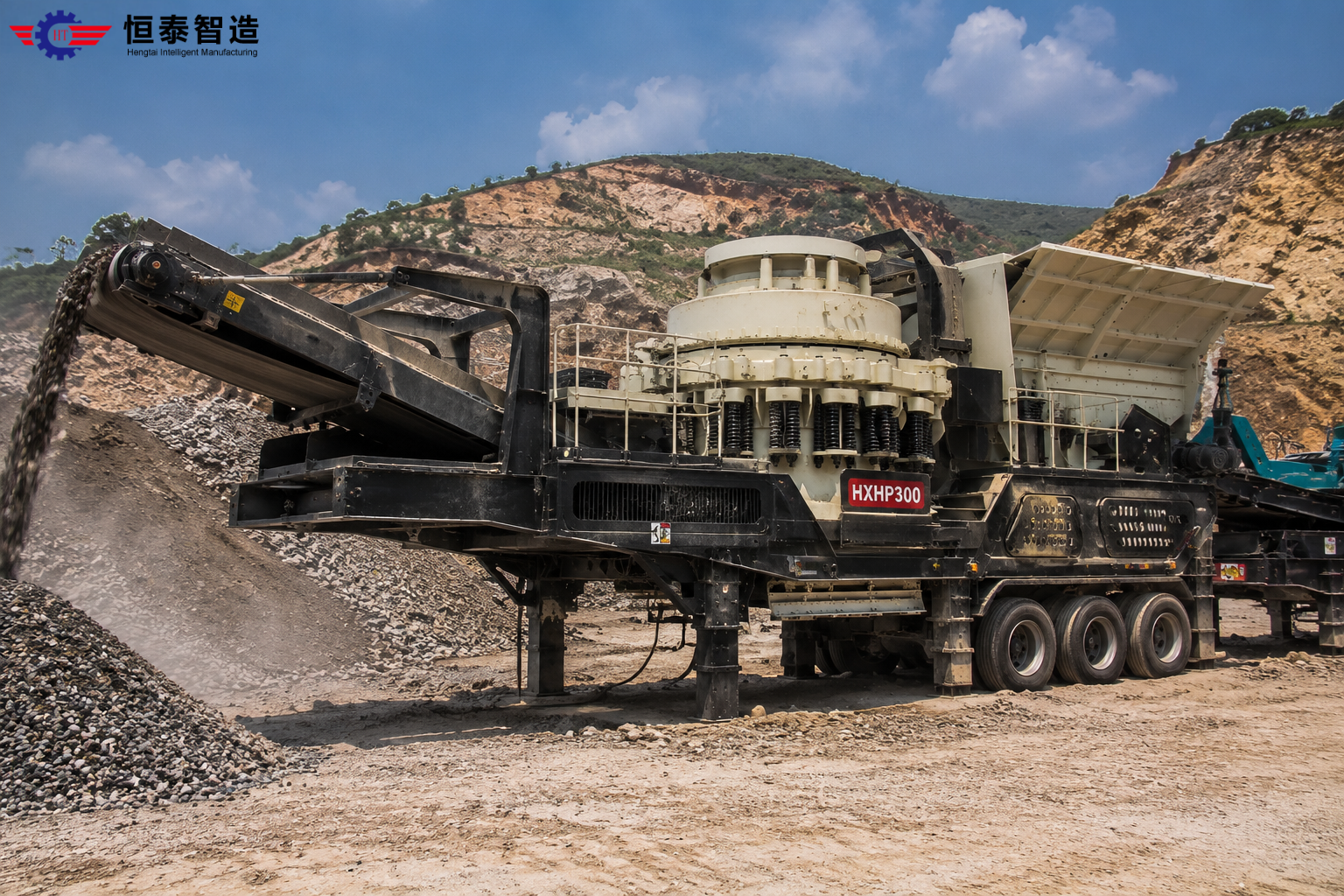
Our wheeled mobile cone crushing plant is engineered specifically for processing high-hardness and highly abrasive minerals. Combining superior structural stability with precise cubical output size management, this portable multi-cylinder hydraulic plant stands as the ultimate fleet solution for open-pit mining operations, quarry hard rock secondary crushing, and high-standard road infrastructure aggregate production.
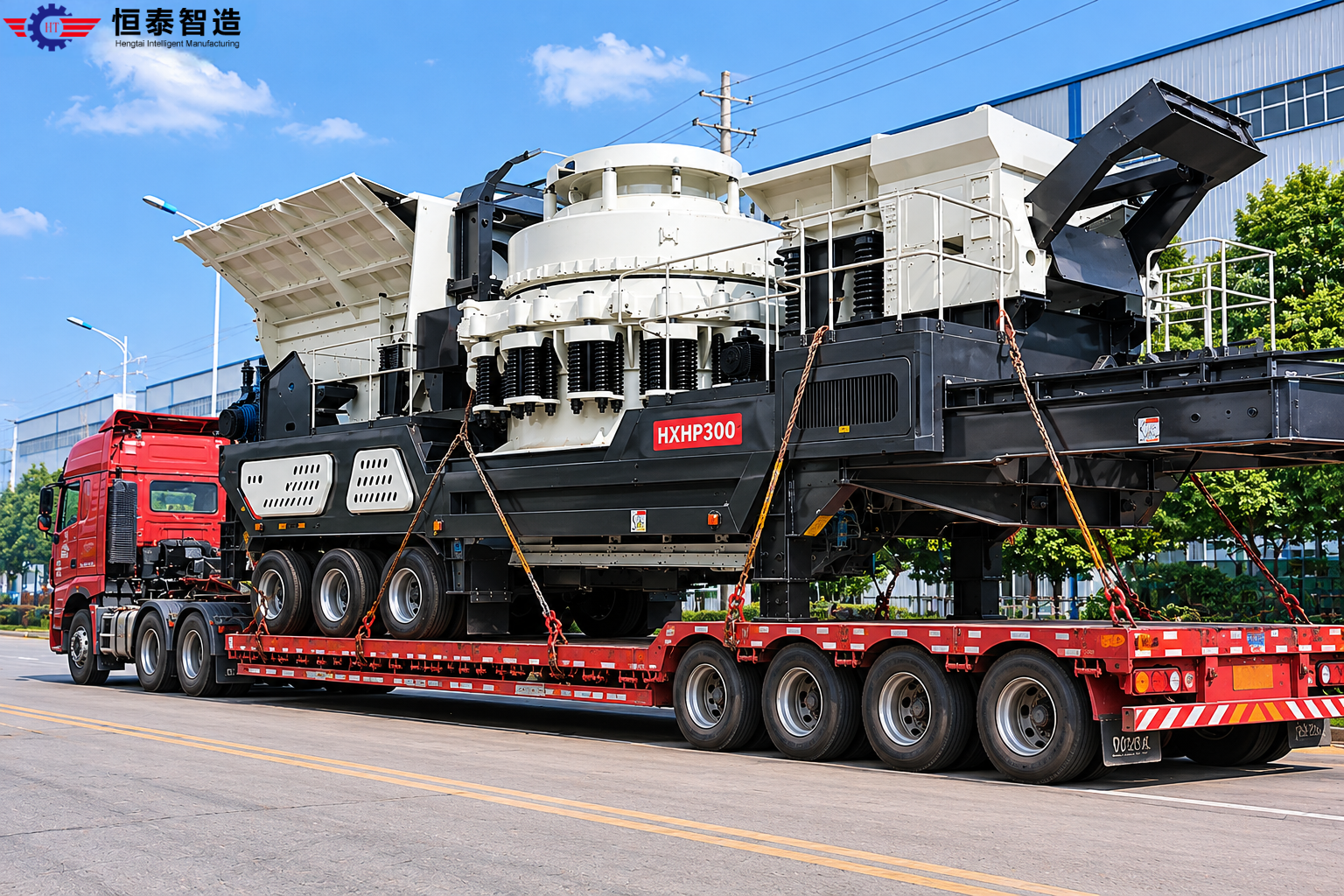
Designed as a highly scalable single-chassis mill unit, this plant integrates a heavy-duty chassis, an automated material feeding mechanism, precise multi-cylinder hydraulic crushing technology, and a closed-loop classification control loop[cite: 4]. It empowers mining companies and global material processing plants to maximize ROI with swift site transit and rapid field commissioning.
Product Gallery
Operational Video Demonstration
Working Principle & Key Technical System Advantages
Laminated Crushing Principle & Hard Rock Expert: Utilizing advanced inter-particle laminated crushing mechanisms, the built-in multi-cylinder hydraulic cone crusher expertly fractures rigid stones like granite, basalt, and diorite. It maintains structural integrity under extreme load while preserving stable output.
Cubical Aggregates with Low Flakiness Index: The intense crushing cavity pressure forces particles to crush against each other, drastically decreasing the needle-like and flaky aggregate index. The final cubical aggregates instantly qualify for high-tier building concrete, highway sub-bases, and high-speed rail ballast.
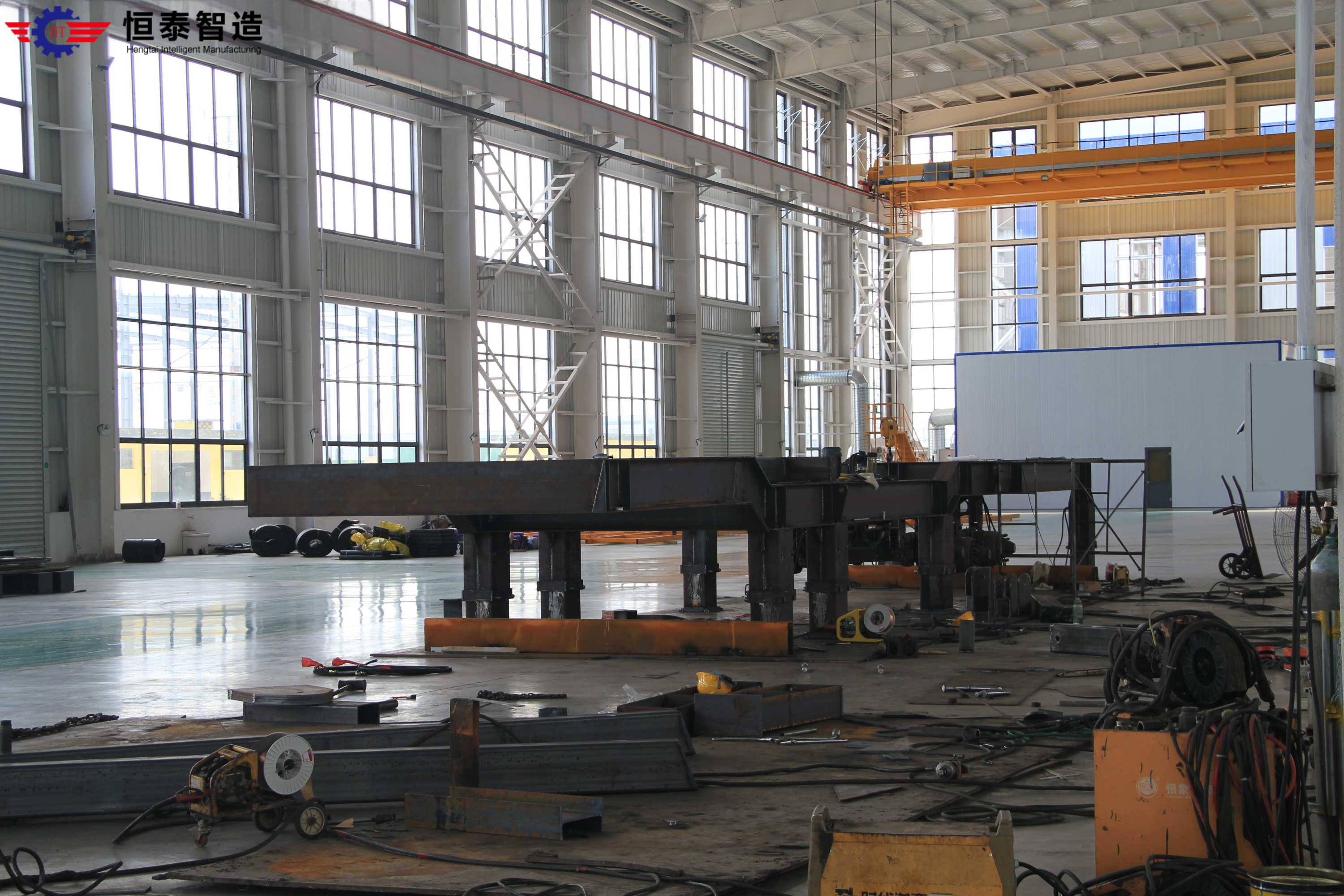
Heavy-Duty Reliability for 24/7 Operations: Built with high-strength alloy cast steel structures, thick-walled steel frames, and heavy forged main shafts, the machine delivers exceptional fatigue resistance. It handles uninterrupted, heavy continuous production in severe cold or high-dust mine fields.
Intelligent Control via PLC System Automation: An onboard intelligent PLC panel monitors critical variables like oil temperature, system pressure, and real-time load. Operators can adjust the CSS (Closed Side Setting) remotely to automatically match changing stone hardness or execute seamless overload safety releases].
Closed-Loop Operational Workflow: Material flow is continuous and automated. Raw rocks enter through the robust feeding hopper, undergo quick pre-screening to protect the main cavity, experience crushing via the eccentric cone, pass to the sizing screens, and route oversized stones back into the crusher loop to guarantee 100% sorting accuracy.
Technical Specifications
Please crosscheck your plant layout requirements against our heavy industrial standard specifications below:
| Chassis Model | Crusher Model | Feeding Size (mm) | Max Feed Size (mm) | Power (kW) | Crusher Capacity (t/h) | Vibrating Screen | Screen Power (kW) | Screen Capacity (t/h) | Belt Conveyor | Total Plant Output (t/h) | Overall Dimensions (mm) |
|---|---|---|---|---|---|---|---|---|---|---|---|
| YDHT200-1860 | HP200 | ≤185 | ≤145 | 160 | 80-250 | 3YK1860 | 22 | 65-586 | B800 | 80-200 | 13300*2550*6950 |
| YDHT300-2160 | HP300 | ≤234 | ≤190 | 220 | 110-445 | 3YK2160 | 30 | 81-720 | B1000 | 130-250 | 15500×2850×6950 |
| YDHT400-2460 | HP400 | ≤295 | ≤240 | 315 | 135-630 | 3YK2460 | 30 | 100-810 | B1000 | 244-320 | 16500×2960×7170 |
* Note: Production capacities vary based on material hardness, feed sizing distribution, humidity levels, and layout setups. Dimensions and specs are subject to change without prior notice due to technical product iterations.
Frequently Asked Questions (FAQ)
Expert answers regarding operation, troubleshooting, and site configuration for mobile cone crushing plants.
This is typically caused by an enlarged discharge opening due to natural wear on the mantle (moving cone) and concave (fixed cone) liners. To restore the desired aggregate sizing, use the hydraulic adjustment system to rotate the adjustment ring, which lifts the fixed cone assembly and decreases the CSS (Closed Side Setting). If the liners are excessively worn down past their limits, they must be replaced immediately to ensure productivity.
This issue usually results from uneven material feeding (such as over-feeding or oversized feed material leading to blockages), an obstructed crushing chamber, or high material moisture causing stickiness. You should immediately audit the feeding system to guarantee a uniform, choke-fed cavity. Strict control over the input material sizing and moisture profile (ideally keeping moisture ≤ 12%) is required. If needed, shut down the machine to clear any packed material inside the crushing chamber.
The main wear parts are the mantle and concave liners. Their exact service lifespan depends entirely on the rock abrasiveness and hardness (e.g., crushing hard basalt triggers rapid wear compared to soft limestone), the daily throughput capacity, and total active operational hours. For hard rock quarry operations, liners typically last 500-1,000 hours, whereas for medium-hardness minerals, they can last 1,000-2,000 hours. Regular inspections are recommended to monitor liner thinning.
The jobsite ground must be flat and highly consolidated, with a minimal bearing capacity of ≥ 250 kPa to handle severe vibrations. Adequate maintenance clearance zones must be provided (at least 2 meters of open workspace around the entire plant framework). Power delivery must match the total system motor capacity (ranging from 75 kW to 315 kW based on model sizes) with a highly stable voltage grid (fluctuations kept within ≤ ±5%). For off-grid or remote mining landscapes, the plant should be paired with our optional integrated diesel generator set.
Matched Equipment for Complete Production Line
To build a fully automated mine fleet and expand your processing efficiency, our technical team highly recommends integrating the following machinery options:
Get Professional Technical Catalog & Factory Price Quote
Our engineers customize solutions tailored specifically to your project requirements, target capacity, and local conditions.