
ZD Series Vibrating Feeder
Max Feed Size: 300-800mm | Capacity: 60-800 t/h | Dual Vibrating Motor Driven
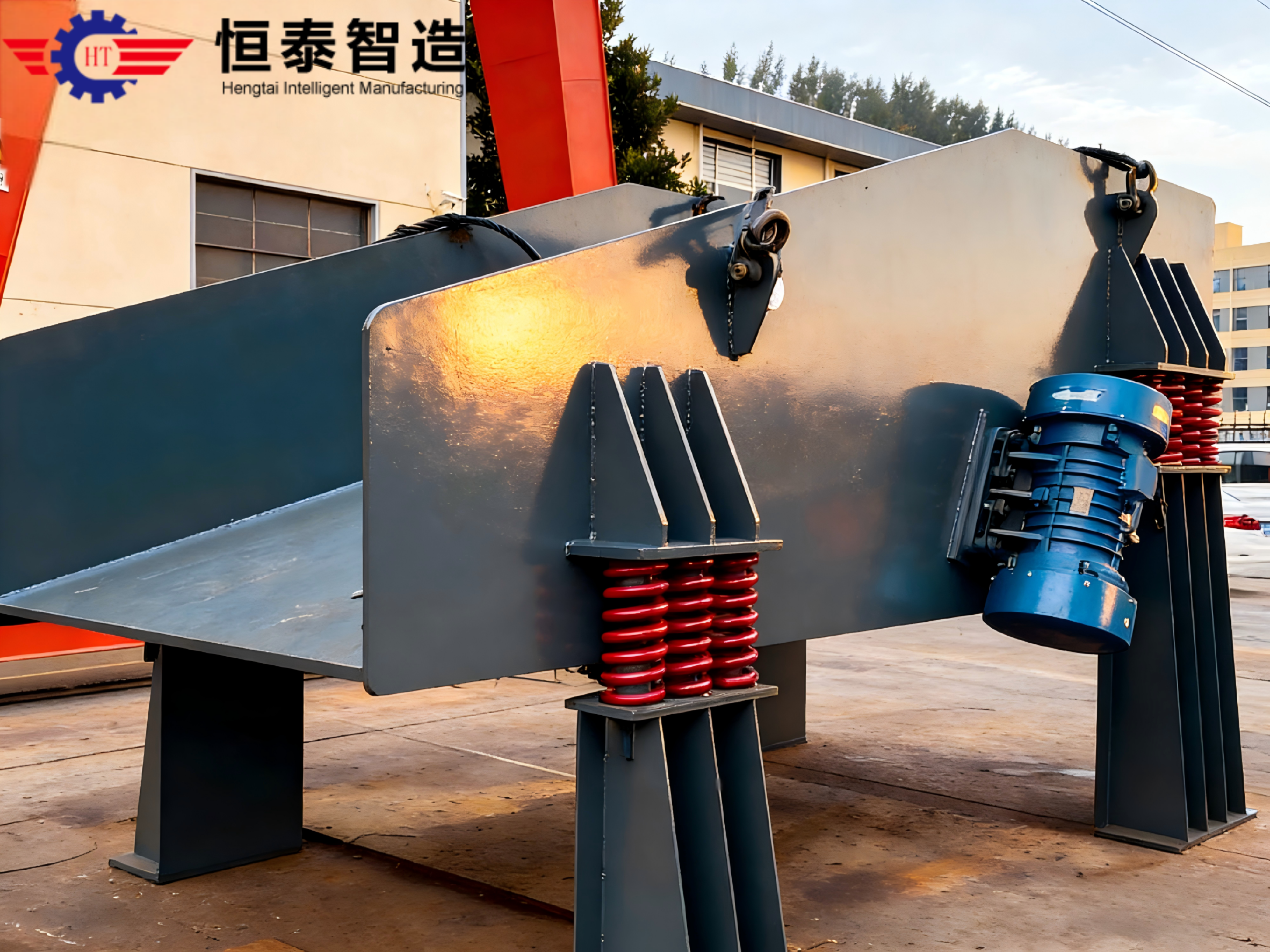
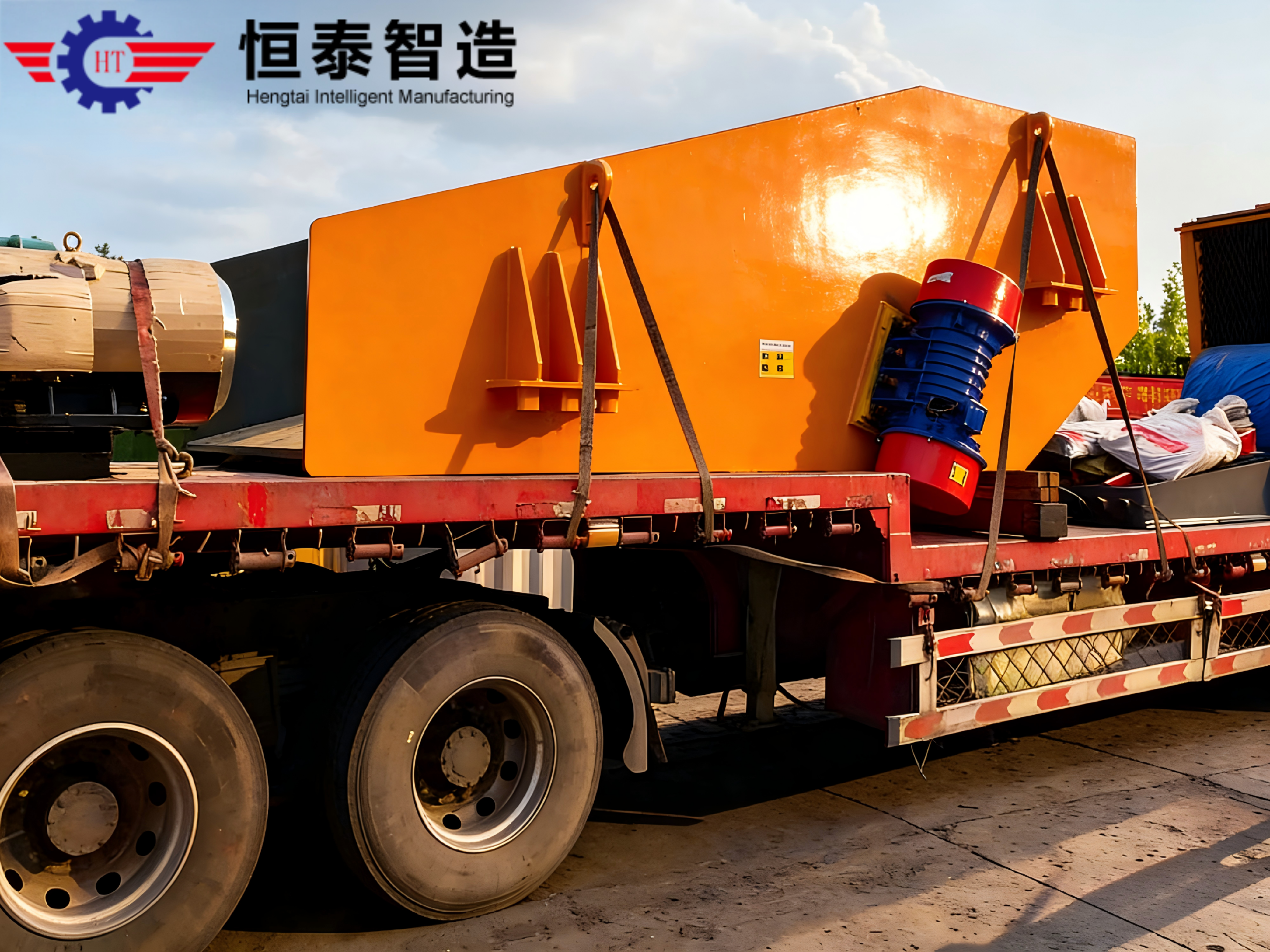
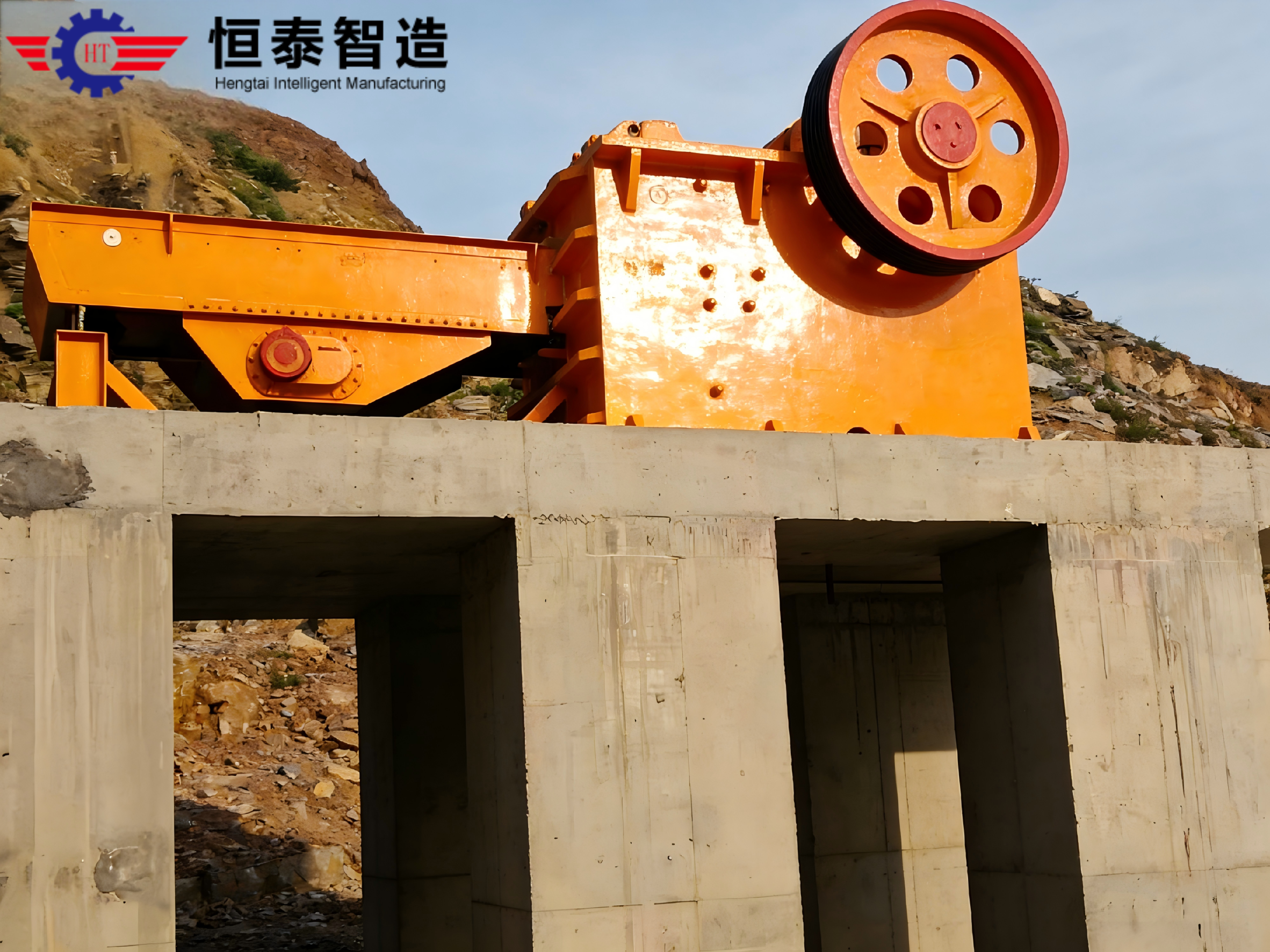
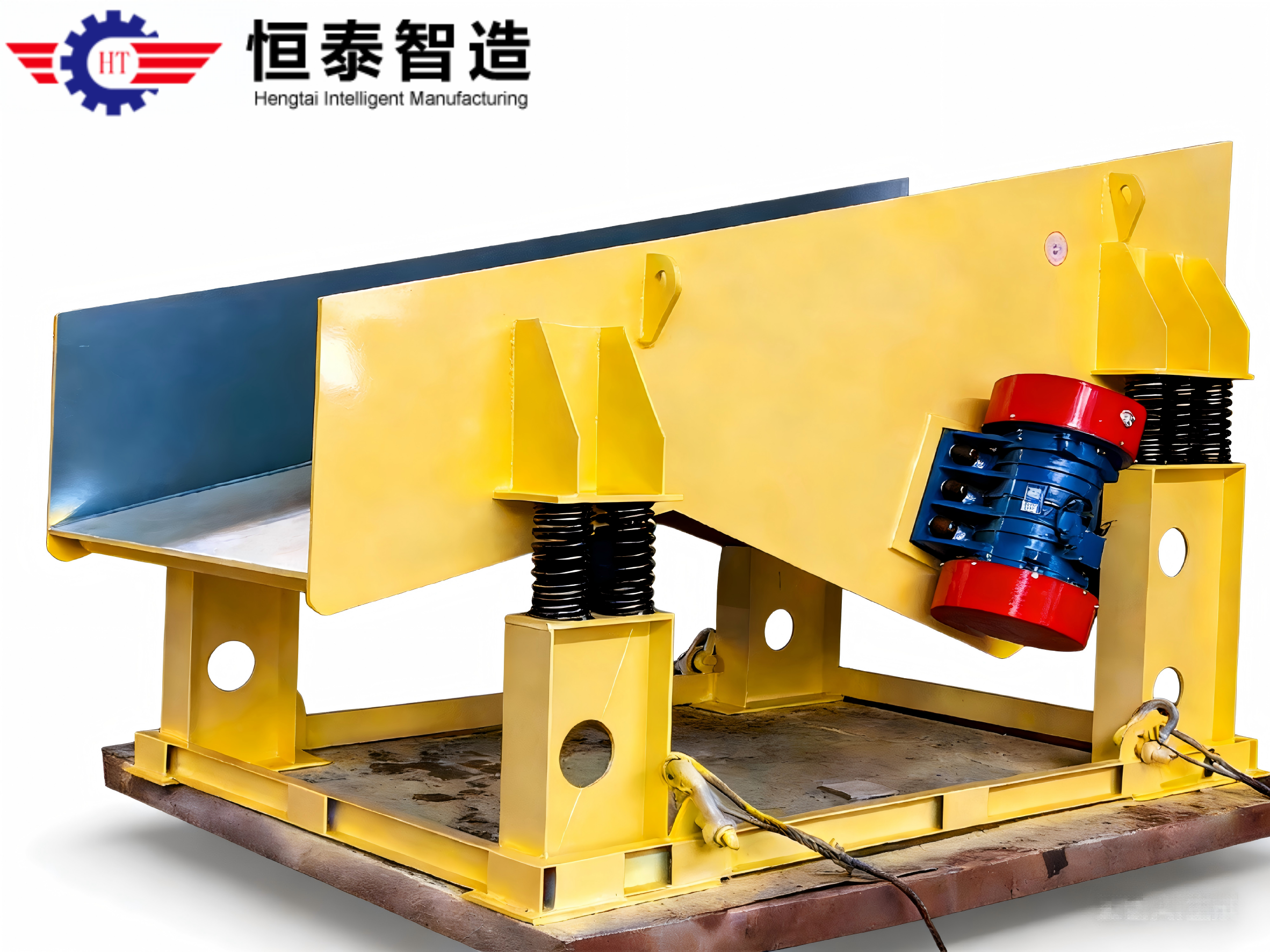
ZD Series heavy-duty mining vibrating feeder is uniquely engineered for continuous, uniform and controlled feeding of bulk materials in stone crushing production lines. Driven by synchronized dual vibrating motors, it generates linear directional force that smoothly conveys river pebble, granite, basalt, limestone, and iron ore into jaw crushers, impact crushers, or primary hammer crushers.
Equipped with wear-resistant steel liners and robust grizzly bar sections, Hengtai ZD series vibrating feeders double as a pre-screening system, removing fine clay and soil before primary crushing. This highly efficient design increases total crushing plant productivity, prevents material blockage, and minimizes maintenance costs for global quarry operators.
Product Gallery
Operational Video Demonstration
Working Principle & Key Features
Linear Directional Vibration: The ZD feeder uses dual counter-rotating vibrating motors to create stable linear excitement force, throwing the materials forward in a continuous, rhythmic throwing motion along the feed trough.
Integrated Pre-Screening Bars: Customized high-manganese steel grizzly bars at the end section automatically separate smaller particles and soil from the large rocks, reducing unneeded wear on primary crushing machinery.
Heavy-Duty Springs & Liners: Supported by heavy-duty steel compression springs to isolate dynamic loads, the inner body features replaceable thick liner plates, providing extreme durability against high impact and abrasion.
Technical Specifications
| Model | Max Feed Size (mm) | Capacity (t/h) | Motor Power (kW) | Trough Size (mm) | Weight (t) |
|---|---|---|---|---|---|
| ZD960 | 500 | 80-150 | 2 × 4 | 3000 × 960 | 3.6 |
| ZD1100 | 550 | 100-240 | 2 × 5.5 | 3800 × 1100 | 4.2 |
| ZD1300 | 700 | 200-400 | 2 × 7.5 | 4900 × 1300 | 5.8 |
| ZD1500 | 800 | 400-800 | 2 × 11 | 6000 × 1500 | 7.9 |
Frequently Asked Questions
The feeding capacity can be adjusted in two ways: first, by manually adjusting the angle/weight of the eccentric blocks inside the dual motors; second, by utilizing a VFD (Frequency Inverter) controller to adjust motor speed remotely during operation.
We offer fully tailored solutions based on project needs, including thick wear-resistant NM400 rubber or steel liner plates, enclosed top covers for dust suppression, customized hopper extensions, and special grizzly bar spacing configurations.
Matched Equipment for Complete Production Line
A highly integrated, professional production line is generally built with the following automated equipment working in a system:
Get Professional Technical Catalog & Factory Price Quote
Our engineers customize solutions tailored specifically to your project requirements, target capacity, and local conditions.