
HT Series Multi-Cylinder Hydraulic Cone Crusher
Capacity: 90-1200 t/h | Power: 132-315 kW | Applications: Granite, diabase, basalt, river pebble, limestone, metallic ores, etc.
The HT Series Multi-Cylinder Hydraulic Cone Crusher is a high-performance crushing machine specifically engineered for hard materials and strict aggregate shaping requirements. Built on a unique structural framework featuring a fixed main shaft and an eccentric sleeve rotating around it, this series heavily optimizes transmission components, lubrication systems, and sealing designs. With strong load-bearing capacity, larger installed power, and outstanding crushing efficiency, it serves as the core equipment for modern large-scale mines and high-specification aggregate production lines.
Strategic Manufacturing Benefits: Driven by advanced lamination crushing principles, the processed final products feature an exceptional cubical shape with minimal needle-like content, fully complying with premium quality aggregate demands. Equipped with multiple interchangeable medium and fine crushing cavities, operators can switch types effortlessly by changing only minor wear parts like liners, achieving multifaceted crushing functions and minimizing complete project infrastructure investments.
Product Gallery
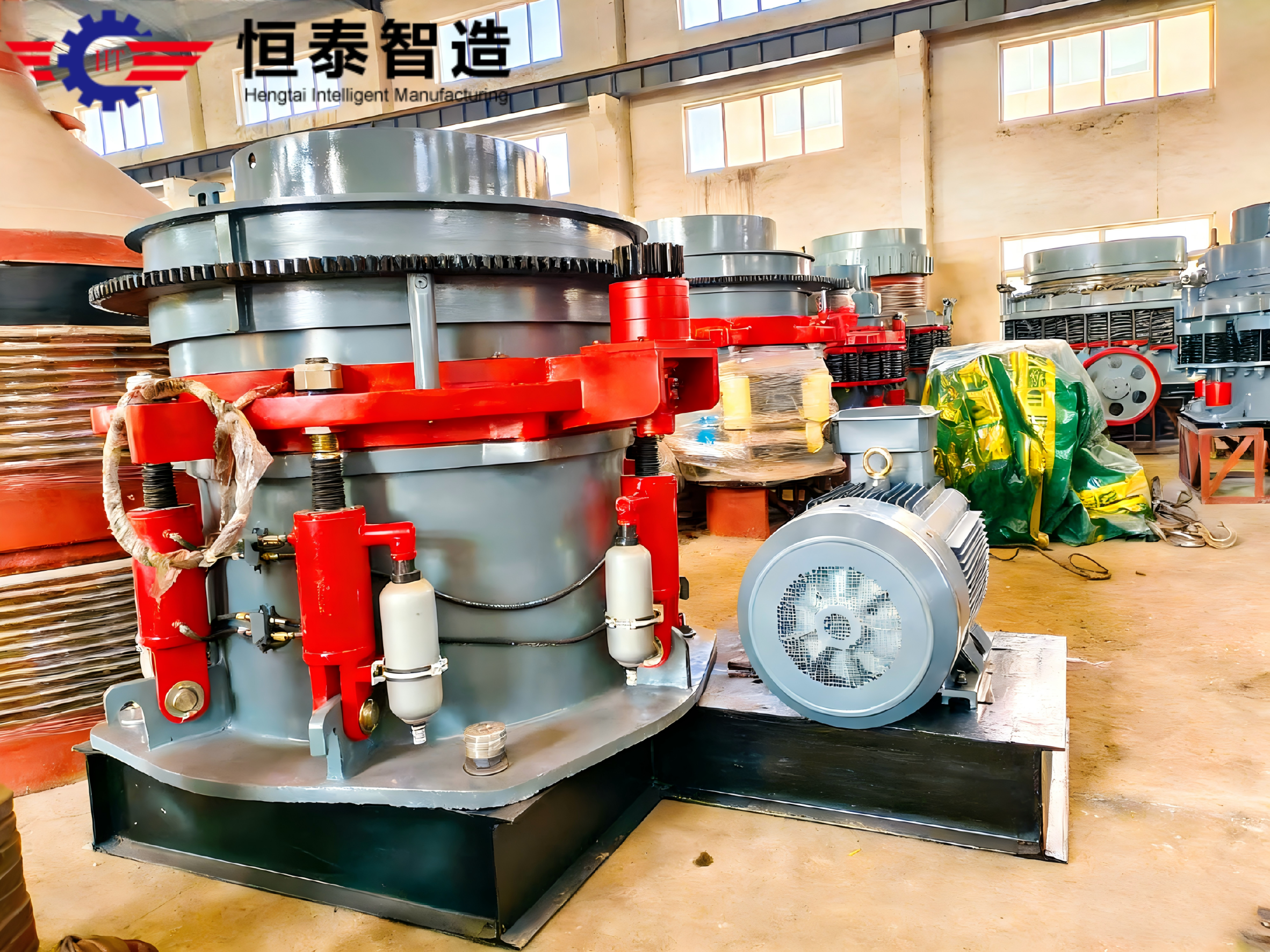
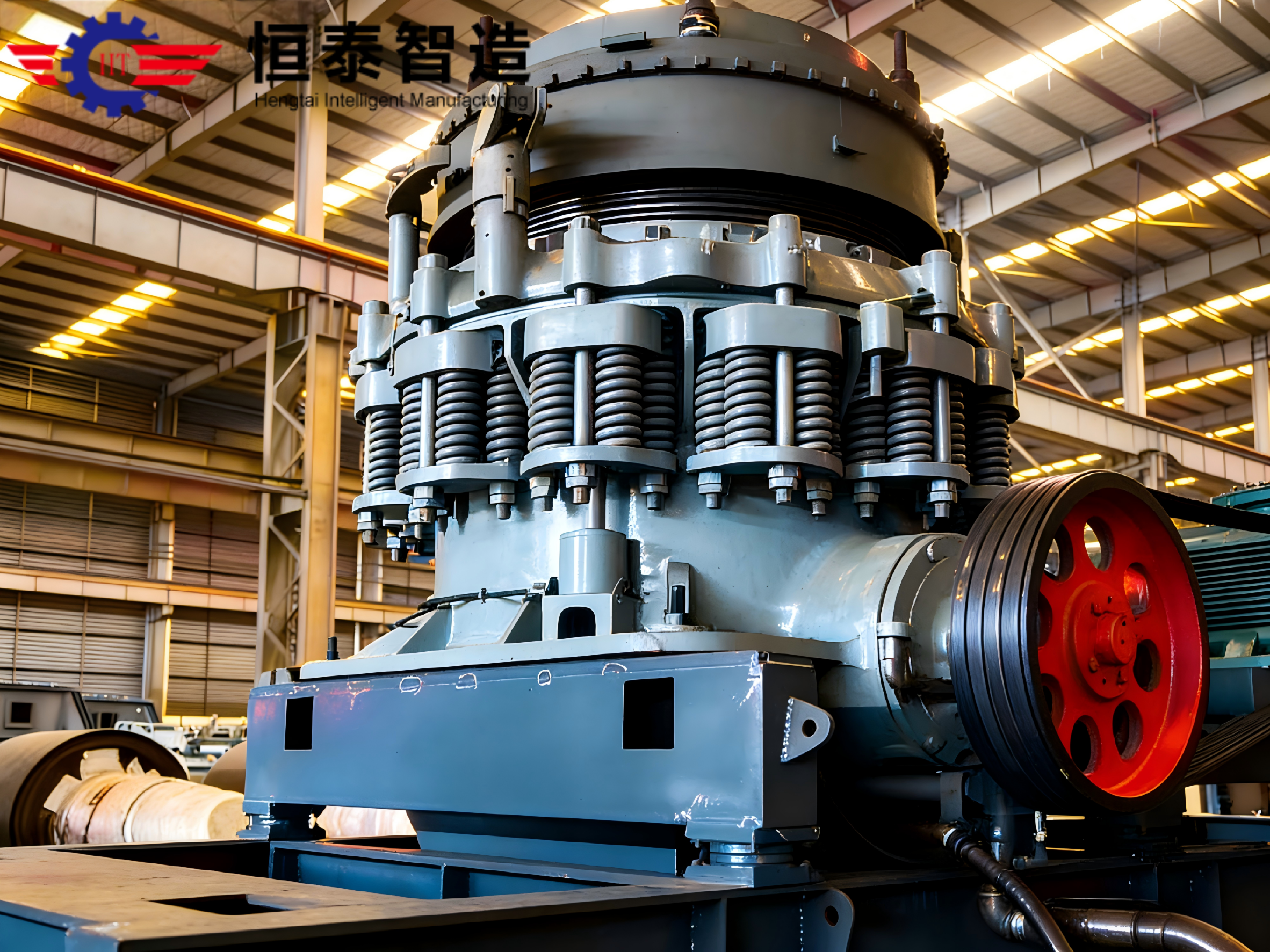
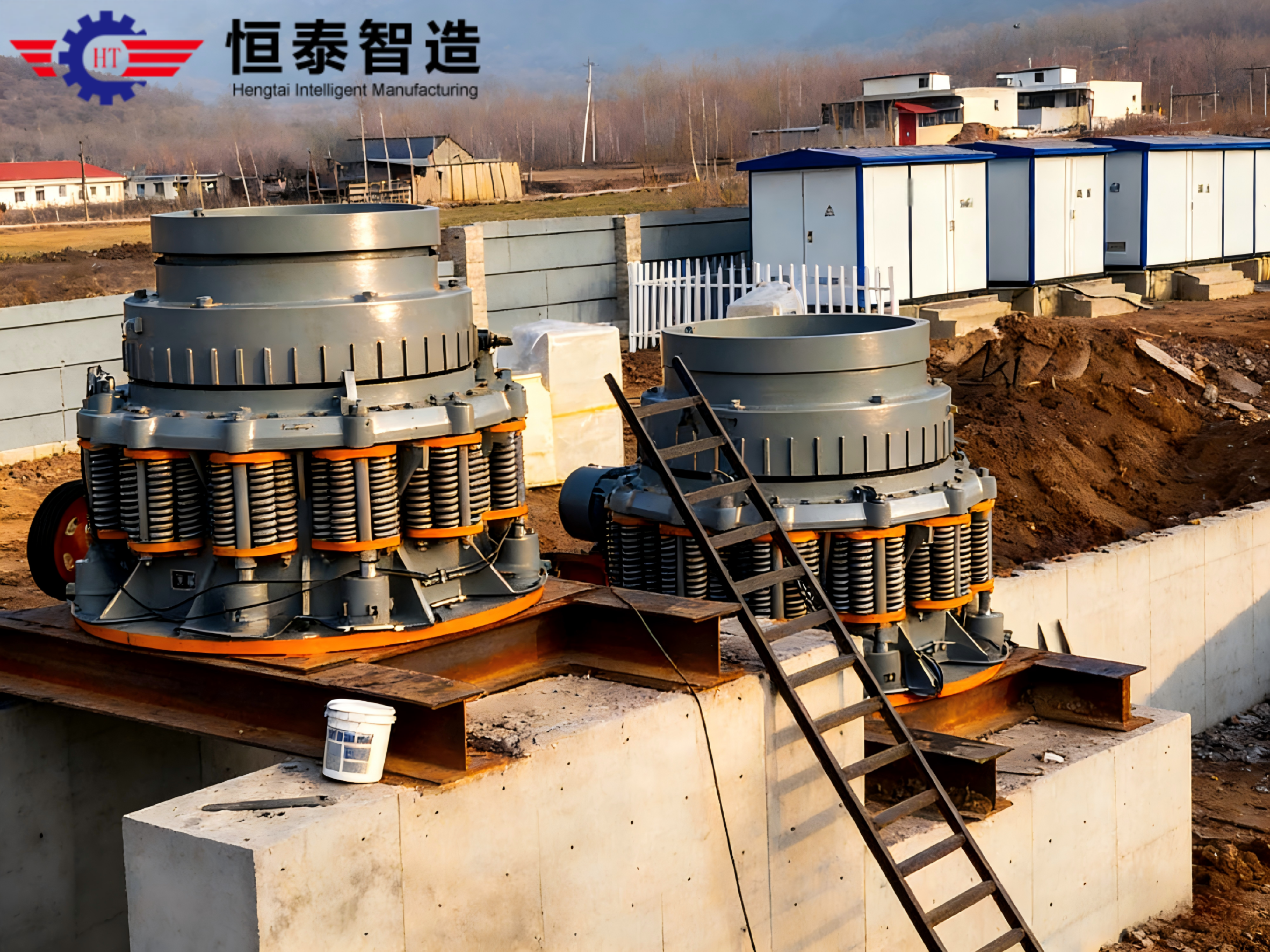
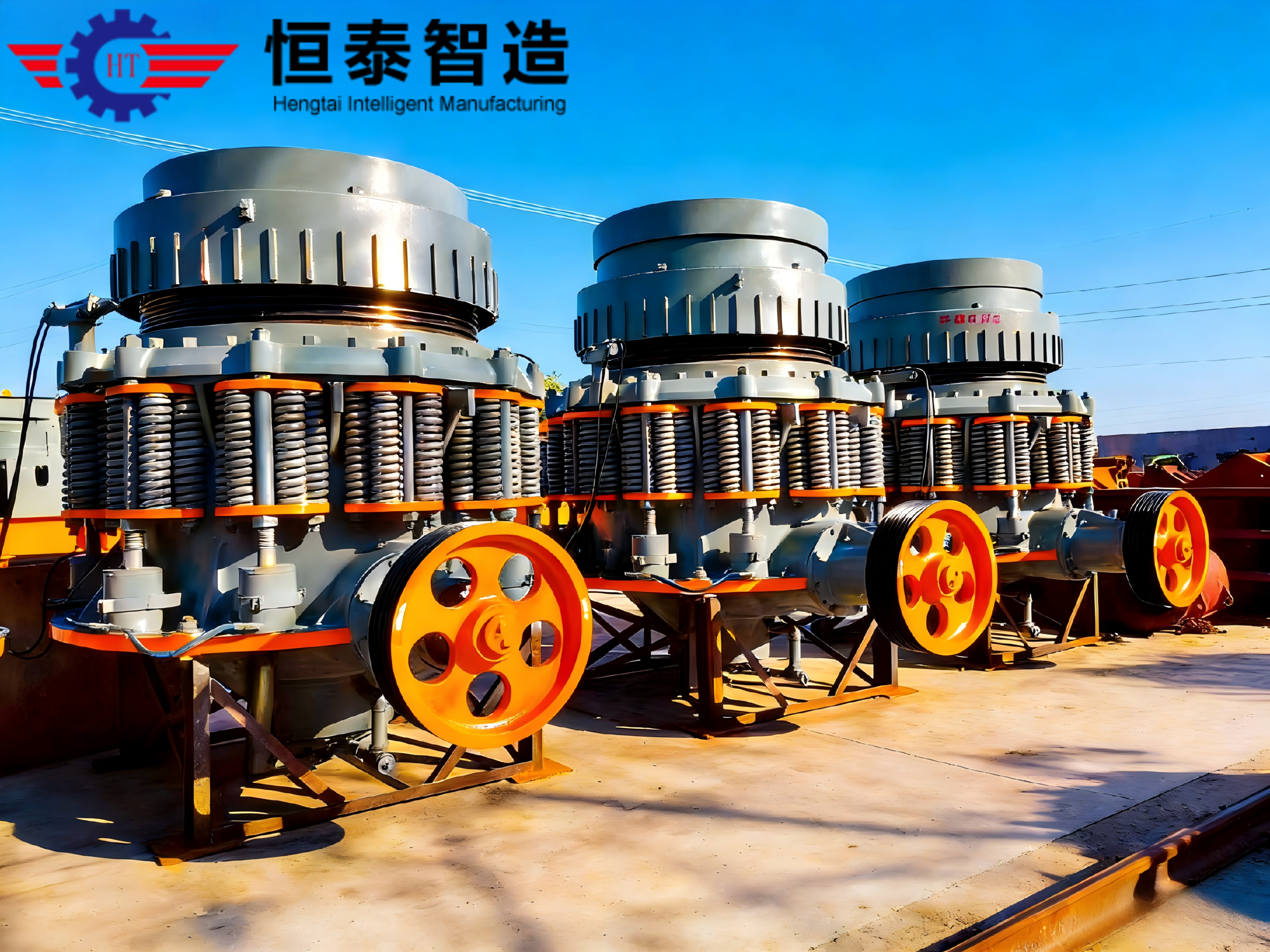
Operational Video Demonstration
Advanced Working Principle
Motor Drive & Eccentric Rotation: During operation, the electric motor drives the equipment transmission shaft through the pulley and V-belts. The transmission shaft then drives the eccentric sleeve to rotate around the fixed main shaft via bevel gears.
Mantle Swing & Cavity Squeezing: The eccentric sleeve forces the mantle (moving cone) to perform a pendulous swing motion. This causes the mantle and concave (fixed cone) to periodically approach and recede from each other, subjecting materials inside the cavity to continuous high-frequency squeezing and impact.
Lamination Crushing & Discharge: Applying advanced rock-on-rock lamination principles, materials are efficiently crushed to a precise cubical shape and continuously discharged from the lower section once they match the set output grade.
Technical Specifications
| Model | Crushing Cavity Type | Standard Type | Short Head Type | Capacity (t/h) | Power (kW) | ||
|---|---|---|---|---|---|---|---|
| Feed Opening (mm) | Open Side (mm) | Feed Opening (mm) | Open Side (mm) | ||||
| HT200 | Coarse | 185 | 19 | 76 | 10 | 145 - 250 | 132 - 200 |
| Medium | 125 | 17 | 54 | 6 | 135 - 235 | ||
| Fine | 95 | 13 | 23 | 6 | 115 - 220 | ||
| Extra Fine | 75 | 10 | 10 | 5 | 90 - 190 | ||
| HT300 | Coarse | 210 | 20 | 75 | 10 | 190 - 380 | 180 - 250 |
| Medium | 150 | 15 | 50 | 8 | 175 - 320 | ||
| Fine | 105 | 10 | 20 | 6 | 145 - 280 | ||
| Extra Fine | 80 | 10 | 20 | 6 | 110 - 240 | ||
| HT400 | Coarse | 250 | 25 | 90 | 10 | 285 - 560 | 280 - 355 |
| Medium | 195 | 20 | 50 | 8 | 250 - 490 | ||
| Fine | 110 | 14 | 40 | 6 | 180 - 345 | ||
| Extra Fine | 90 | 10 | 30 | 6 | 135 - 320 | ||
| HT500 | Coarse | 285 | 25 | 90 | 13 | 400 - 790 | 355 - 450 |
| Medium | 200 | 20 | 55 | 10 | 335 - 610 | ||
| Fine | 133 | 16 | 40 | 8 | 280 - 460 | ||
| Extra Fine | 95 | 13 | 35 | 6 | 180 - 435 | ||
| HT800 | Coarse | 297 | 32 | 155 | 13 | 425 - 1200 | 355 - 450 |
| Medium | 267 | 25 | 92 | 10 | 335 - 730 | ||
| Fine | 219 | 16 | 33 | 8 | 260 - 500 | ||
| Extra Fine | - | - | - | - | - | ||
Frequently Asked Questions
To secure long-term stable operations, preventive maintenance must be followed strictly. Minor maintenance is performed every 15-30 days, focused on oil quality, CSS adjustments, and bolt tightening. Medium maintenance takes place every 4-6 months to replace wear parts like mantles and concaves. Major maintenance is scheduled every 3-4 years for a comprehensive overhaul, completely disassembling the machine to repair or replace core components.
We operate fully standardized heavy-duty manufacturing workshops. Shipping timelines are strictly controlled: small-sized models ship within 15 days; medium-sized models ship within 22 days; large or heavy-duty models are dispatched within 31 days.
We offer customized high-manganese steel (Mn18Cr2, Mn22Cr2) mantles and concaves for demanding mining sites. Depending on your feed parameters and cavity type, we adjust the chemical composition ratios of alloys to boost overall wear lifespan by more than 20%, significantly decreasing production costs per ton of aggregate.
The HT series utilizes full hydraulic regulation and automated control systems. At identical installed power and working conditions, actual power consumption per ton is reduced by around 15% compared to old spring types due to superior lamination principles. Meanwhile, full hydraulic tramp iron protection and automatic cavity clearing enable one-key blockage removal, completely avoiding heavy downtime costs on overseas job sites.
Matched Equipment for Complete Production Line
A highly integrated, professional Multi-Cylinder Hydraulic Cone Crusher Production Line is generally built with the following automated equipment working in a closed-circuit system:
Get Professional Technical Catalog & Factory Price Quote
Our engineers customize solutions tailored specifically to your project requirements, target capacity, and local conditions.